Serengeti
A Serengeti safari means fourteen thousand square kilometres that behave like several different parks, depending on the month you arrive.
Why it is worth the nights
The Serengeti is not a viewpoint you visit; it is a system you spend time inside. Herds move, predators follow, and the same stretch of grass looks entirely different across a season. Two nights gives you a glimpse. Three or four lets the place resolve.
It is also the single decision where getting the region right matters most. The park is large enough that a camp in the wrong sector during the wrong month means long drives to reach the wildlife you came for.
The landscape
Short-grass plains in the south, open and treeless, where the horizon does most of the work. Acacia woodland and granite kopjes through the centre, which is where leopards and lions tend to be found. River country in the north, wooded and cut by the Mara, and quieter western corridors that few itineraries reach.
Wildlife
- Lion in high density throughout the year, particularly around the central kopjes.
- Cheetah on the southern plains, where the short grass suits how they hunt.
- Leopard along the watercourses in the central and northern woodland.
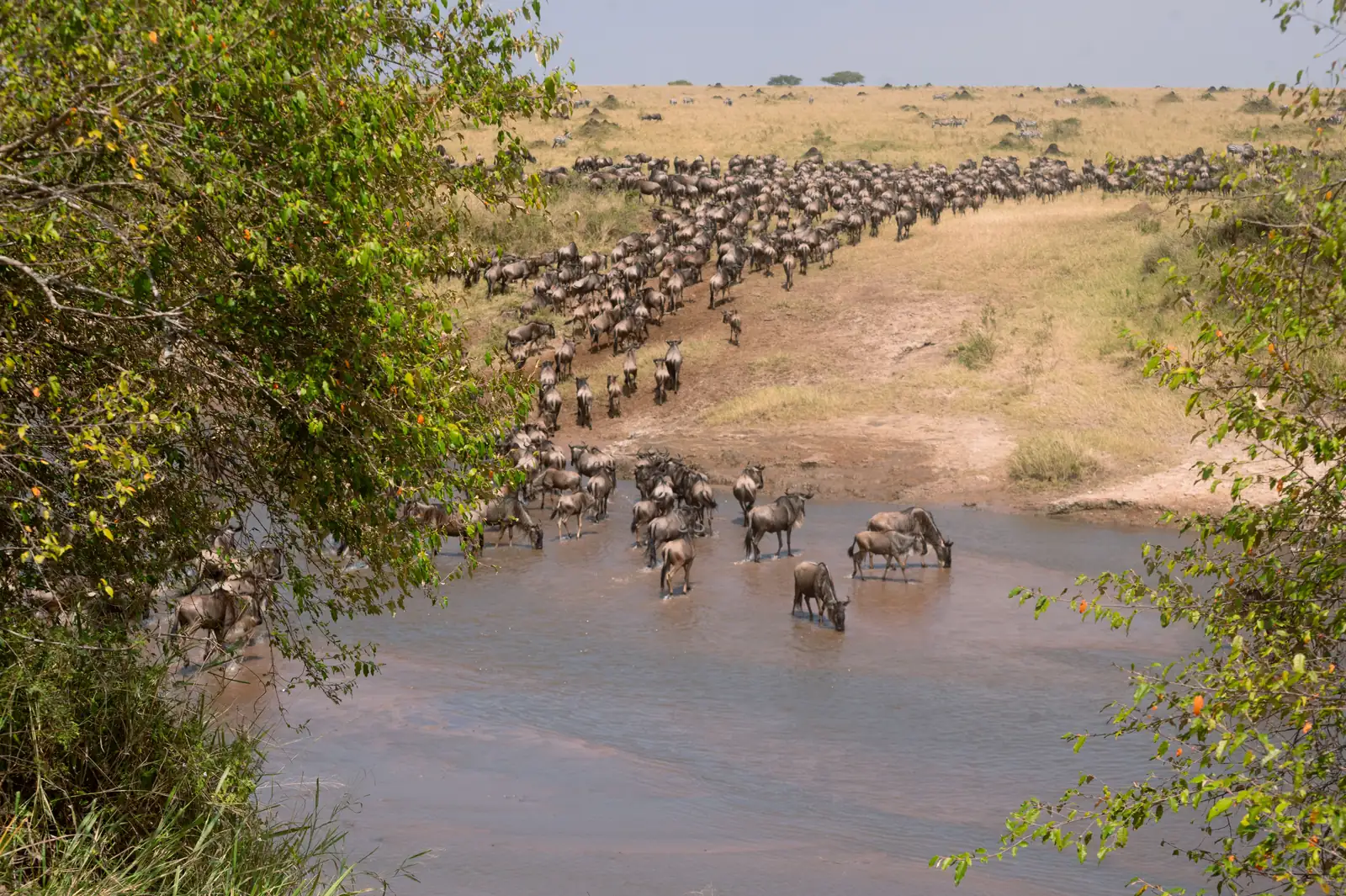
- Wildebeest and zebra in enormous numbers, but only where the season puts them.
- Elephant, giraffe, buffalo and plains game year-round; rhino only rarely and not reliably.
Where to be, and when
January to March: the southern plains around Ndutu. Calving season, short grass, concentrated predator activity, and noticeably fewer vehicles than August.
June to July: the central and western Serengeti as the herds move north. Excellent general game viewing and comfortable temperatures.
July to September: the north and the Mara River for the crossings. The most dramatic weeks of the year and by far the busiest.
October to December: the herds drift back south. October in particular is dry, very good and strangely overlooked.
Where to stay
Where you sleep in the Serengeti should follow your dates and where the herds will be, so we choose camps sector by sector. These are the camps and lodges we book here, by level. Premium is always quoted personally.
- Comfort: Serengeti Sound of Nature, Mara Kati Kati, Ndutu Kati Kati
- Mid-range: Serengeti Kati Kati, Dancing Duma, Pamoja Serengeti Camp, Lahia Tented Lodge, Pamoja Migration Camp, Pamoja Migration Undercanvas Camp
- Premium: Kubu Kubu Tented Lodge, One Nature Nyaruswiga, Four Seasons Safari Lodge Serengeti, Meliá Serengeti Lodge, Under Canvas, Mara Mara Tented Lodge, One Nature Mara River, TAASA Migration Camp, TAASA Lodge
How a Serengeti safari fits a wider journey
Almost every northern itinerary anchors on the Serengeti and adds around it. Ngorongoro pairs naturally, being on the route back toward Arusha. Tarangire adds a different landscape and far fewer vehicles. Flying one leg saves a long day in the car and is usually worth it on trips of a week or more.
Gallery
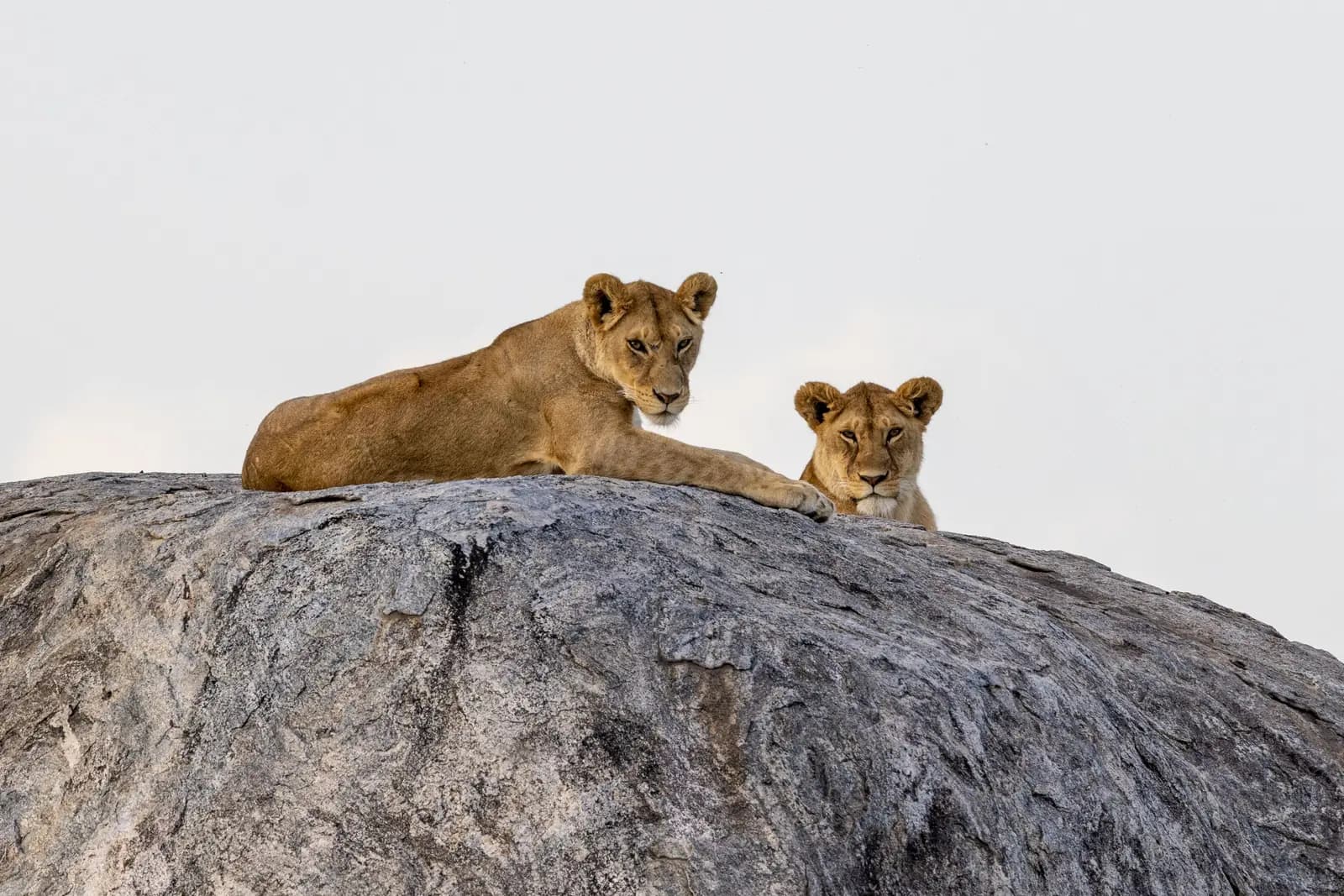
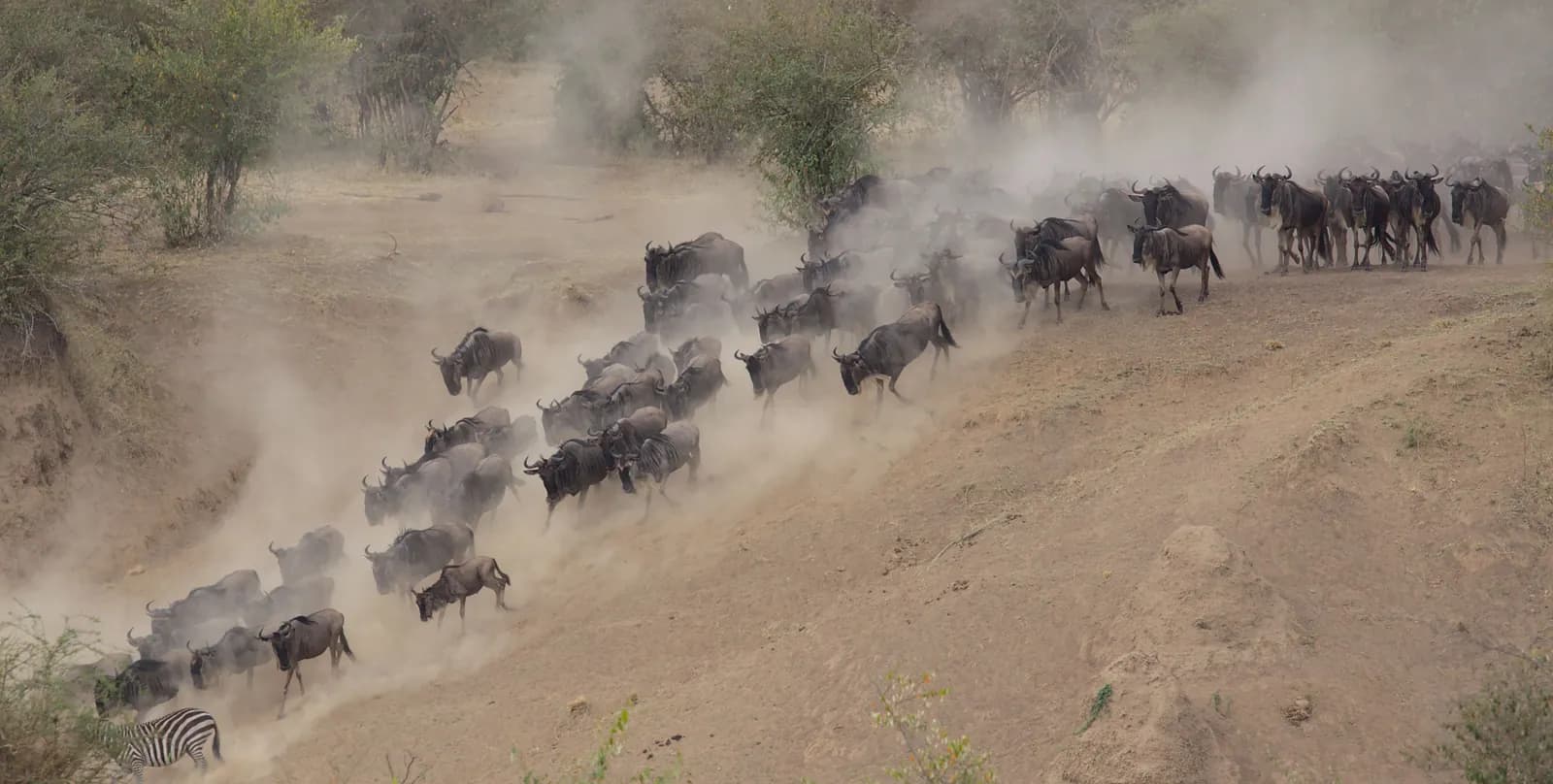
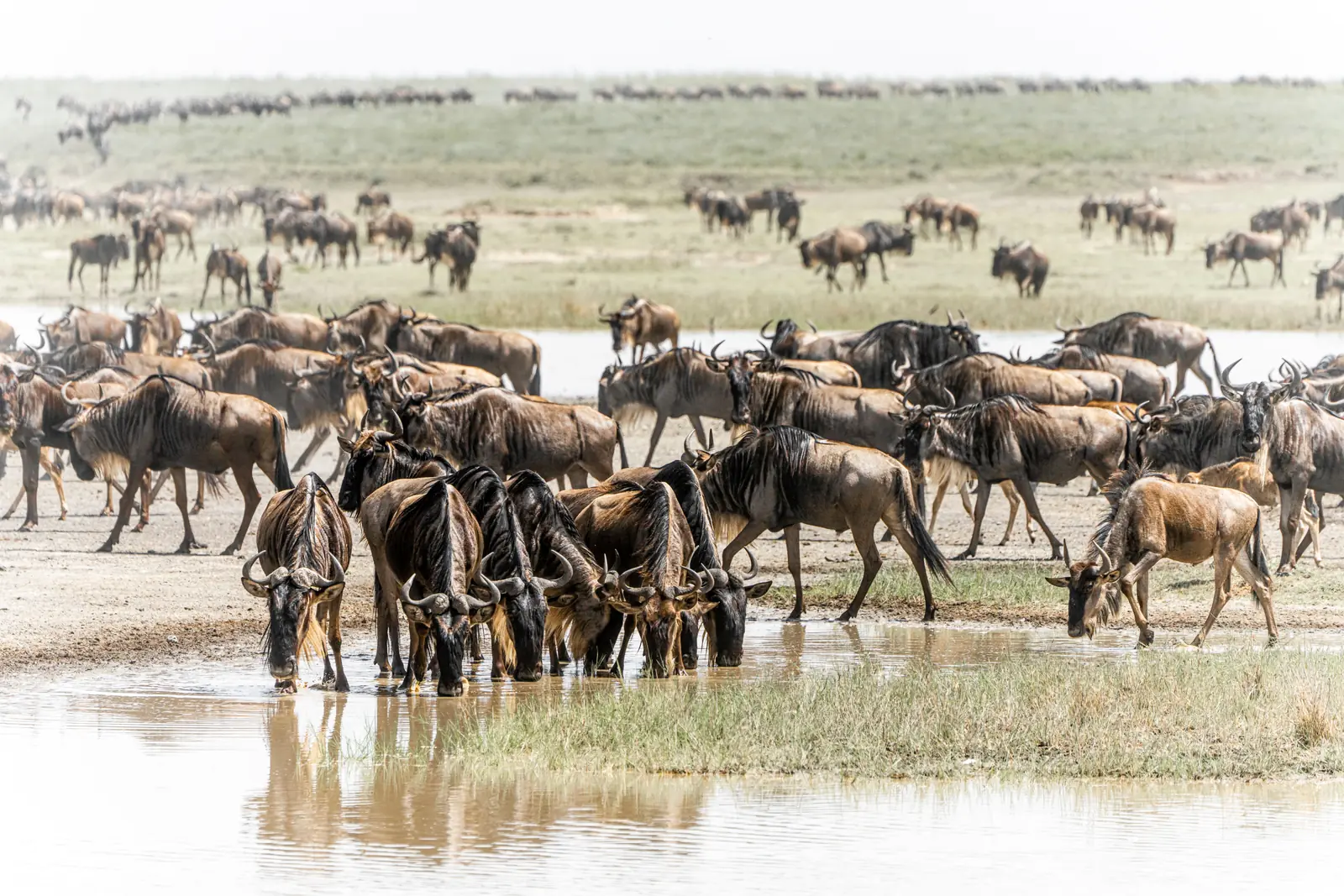
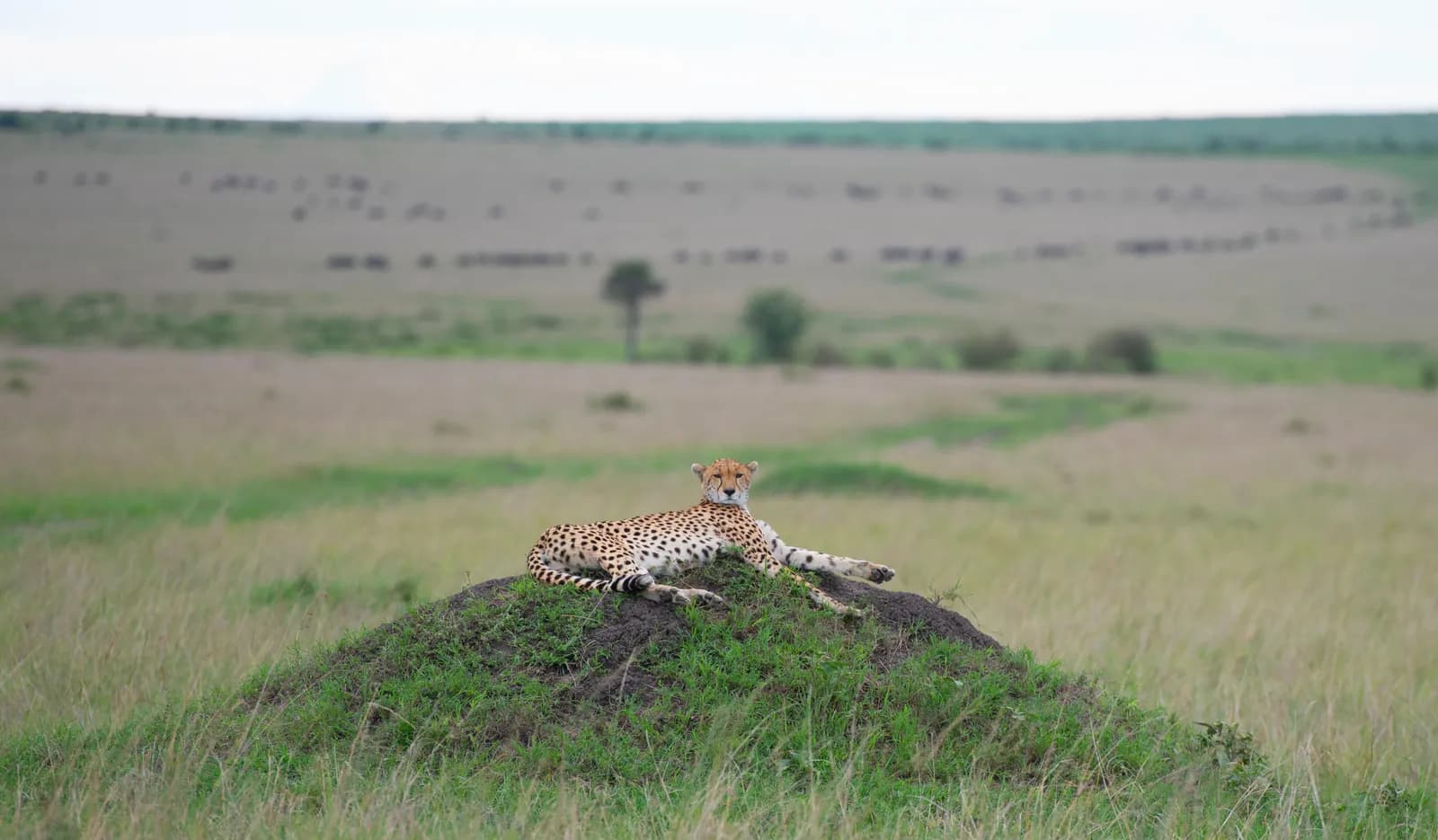
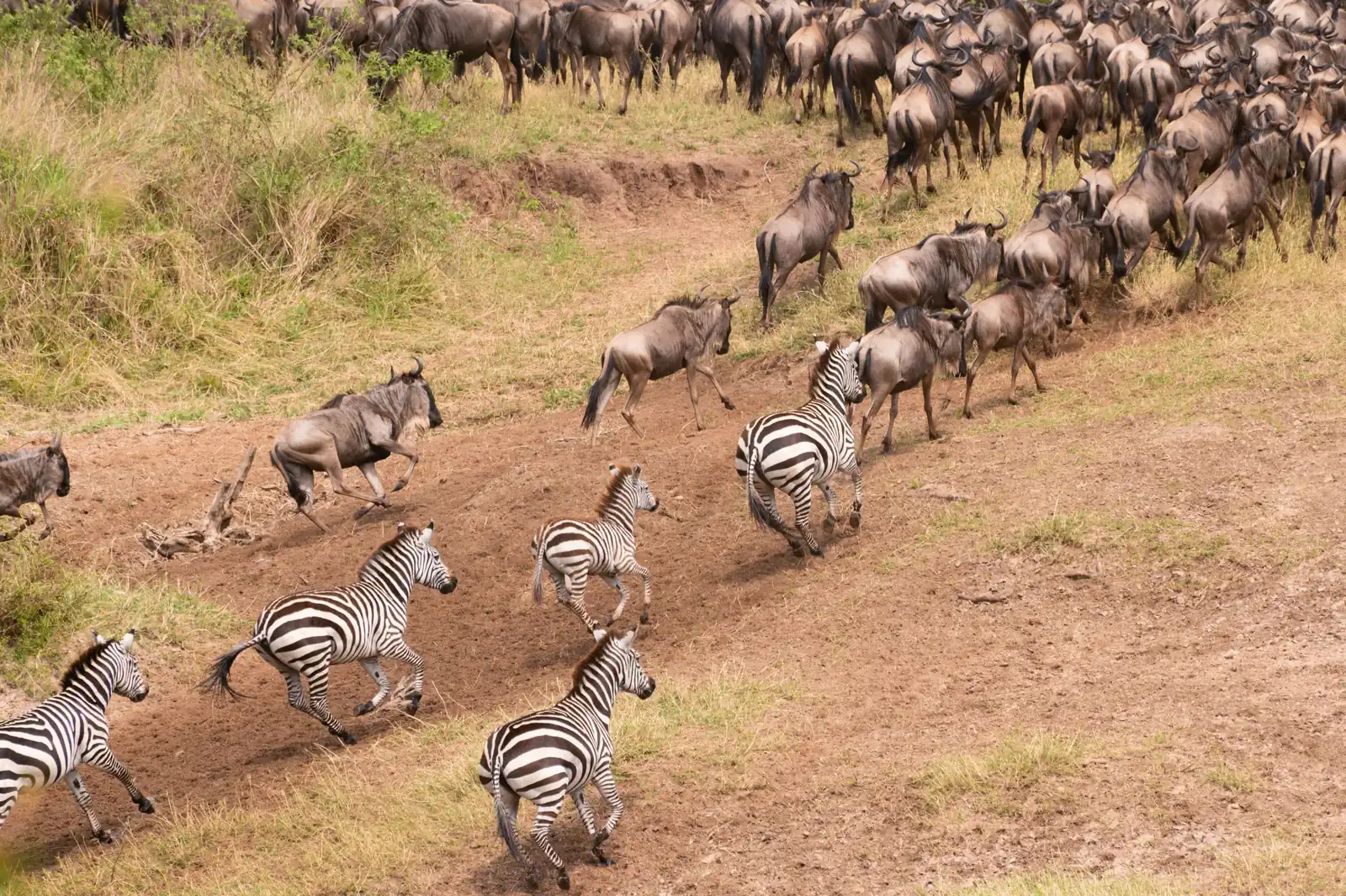
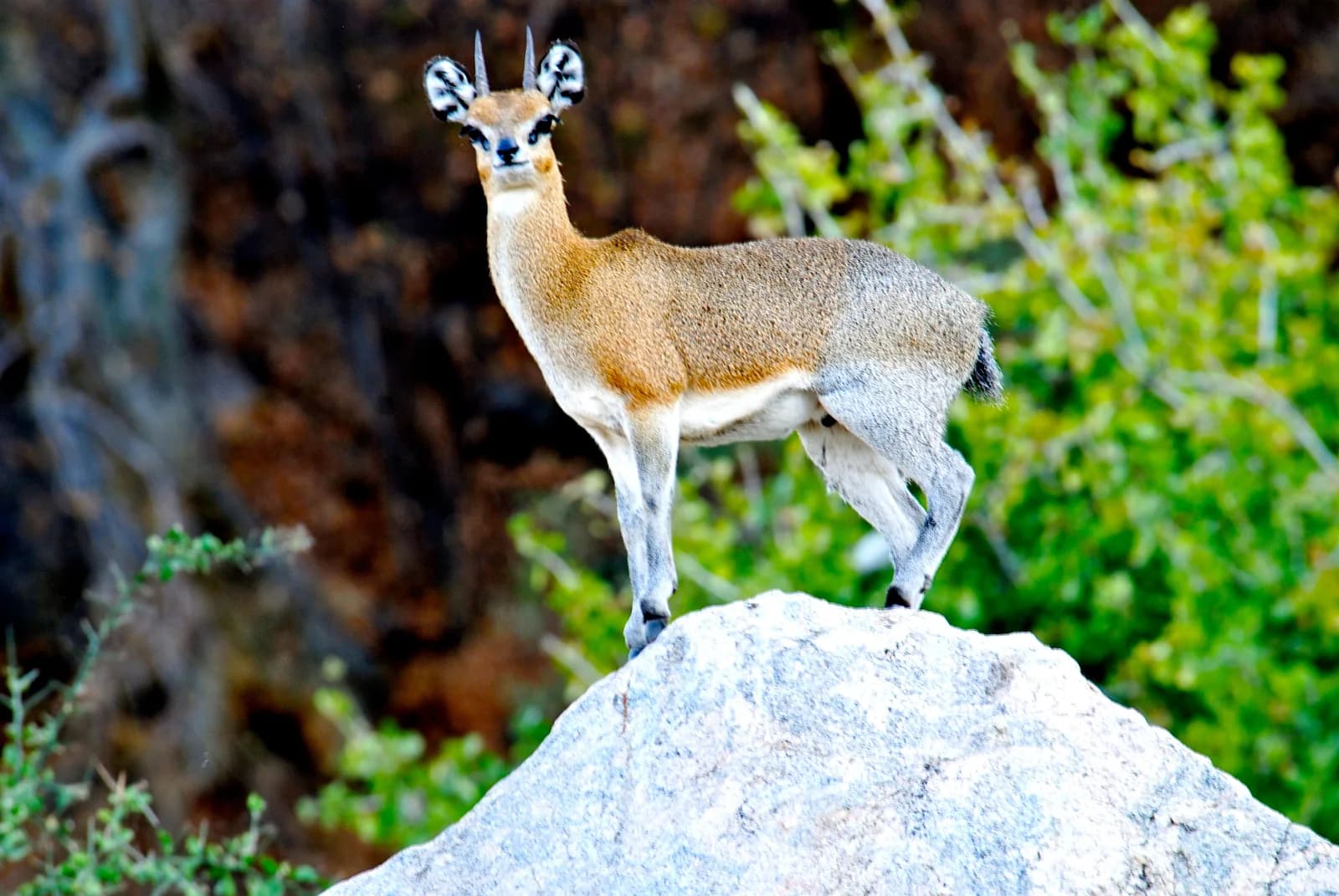
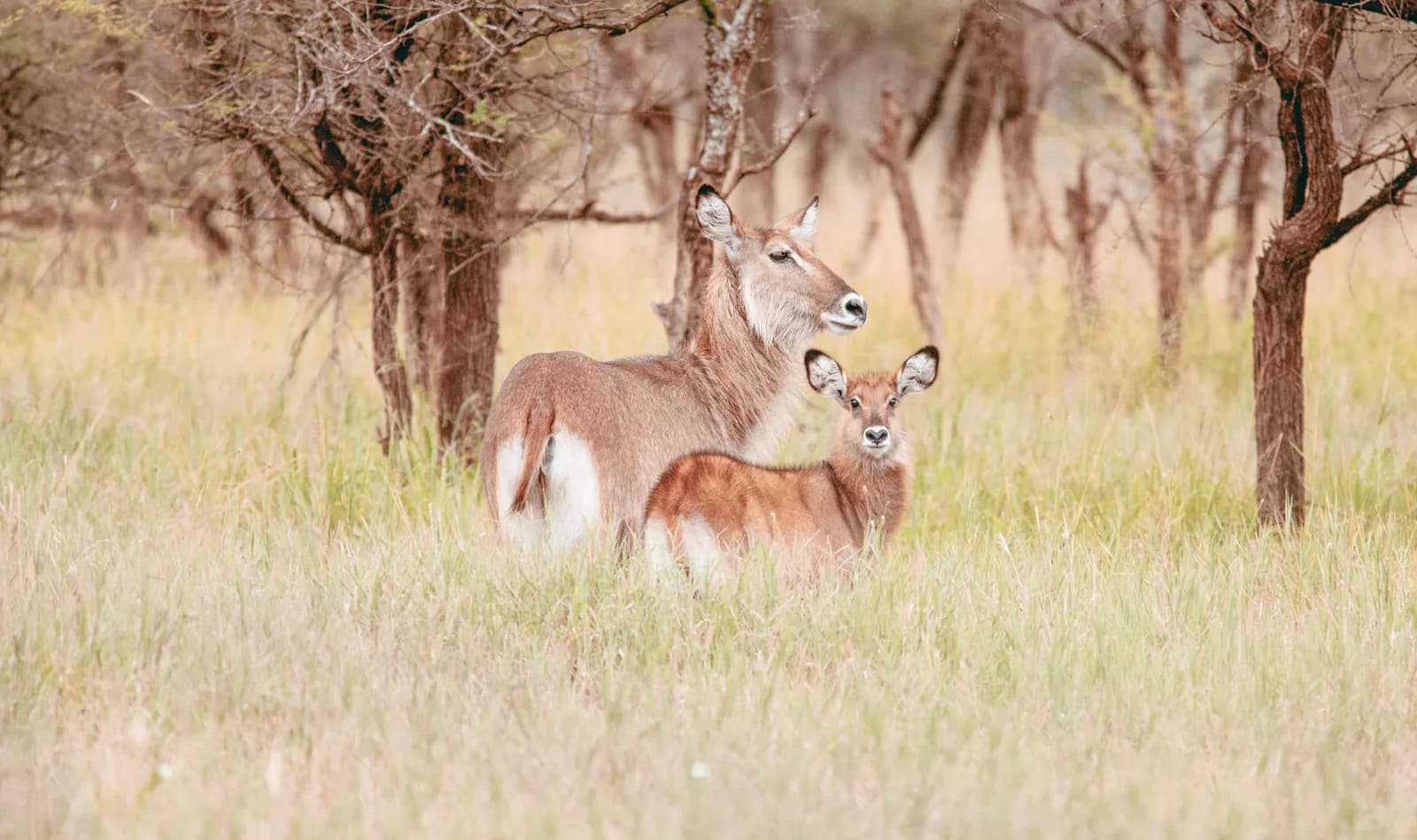
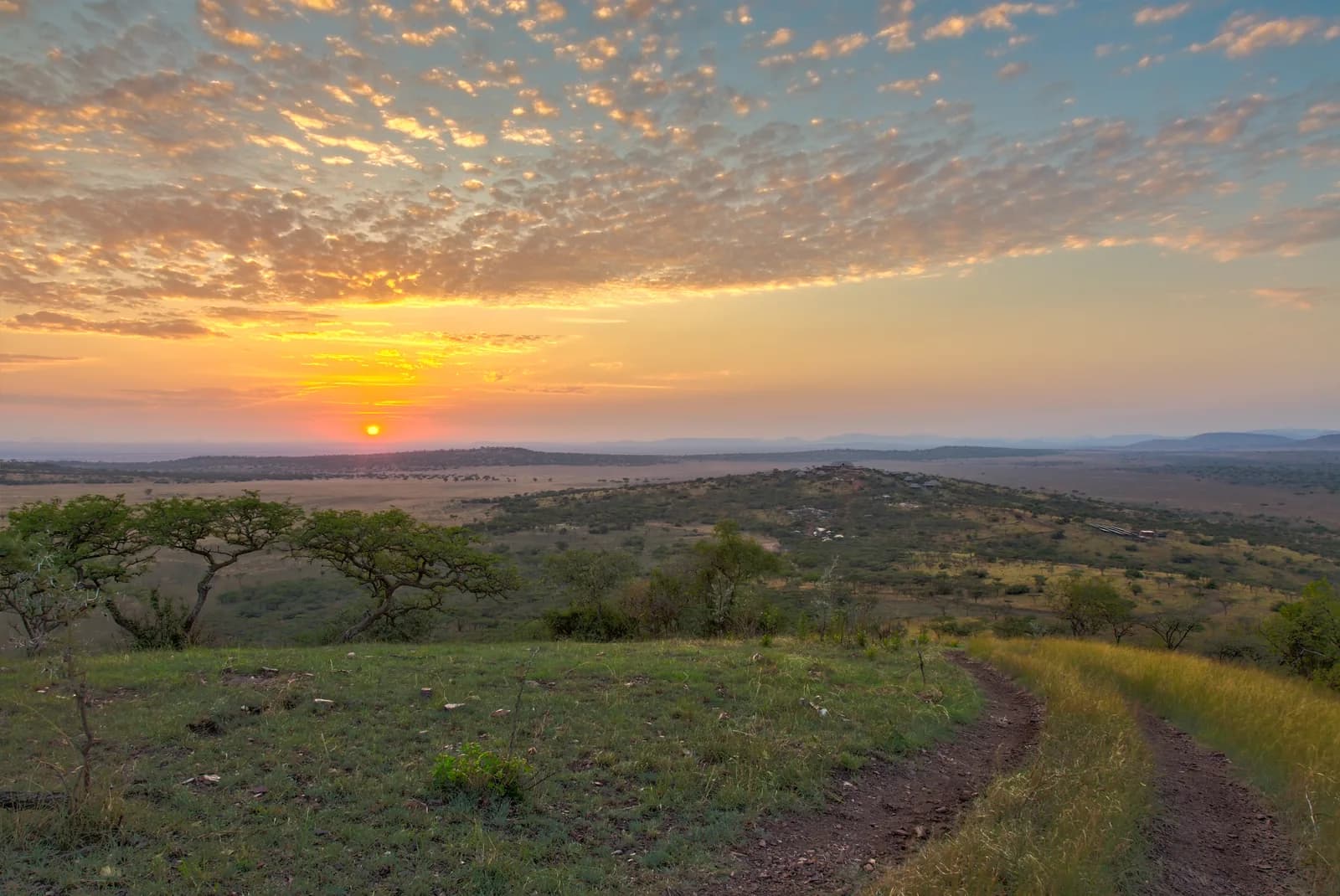
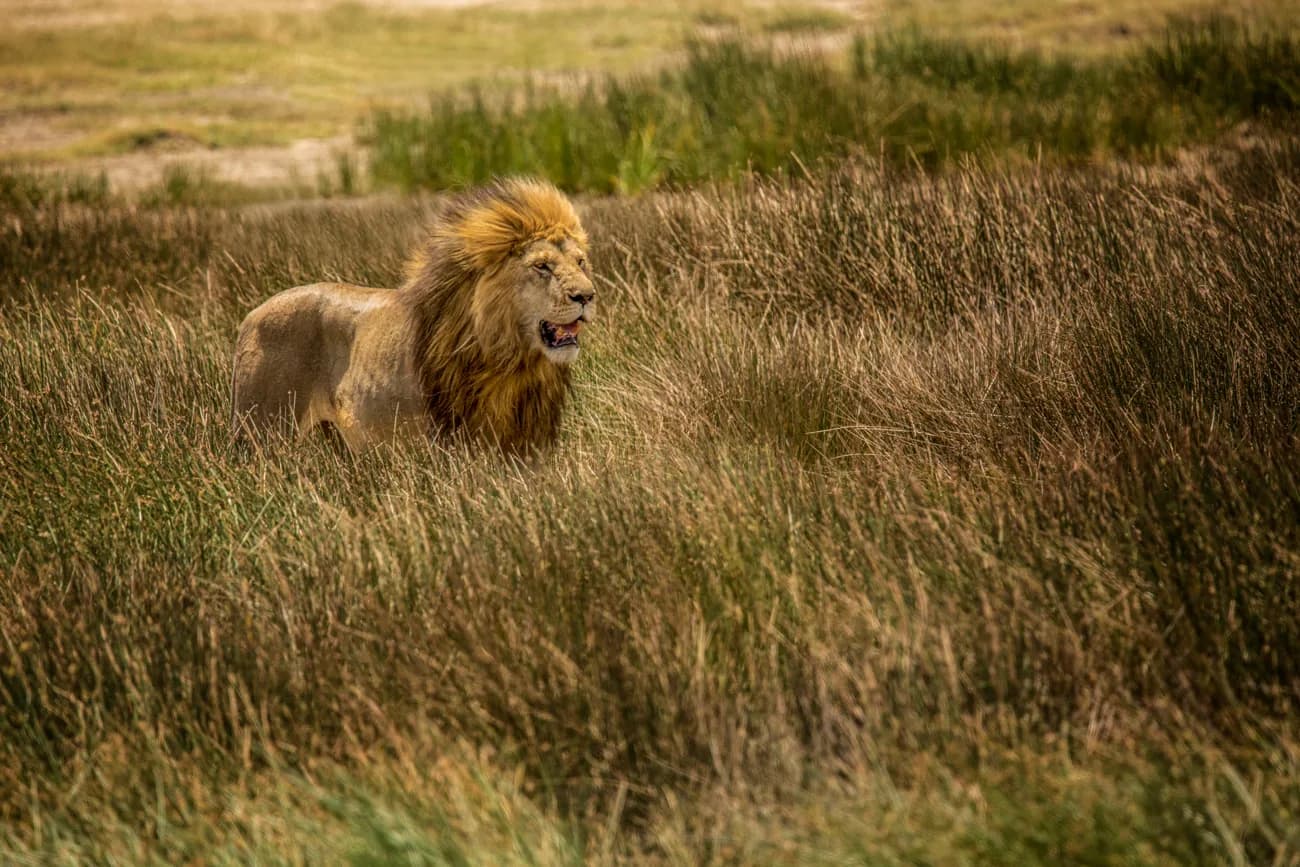 Photo: Dancing Duma Tented Camp
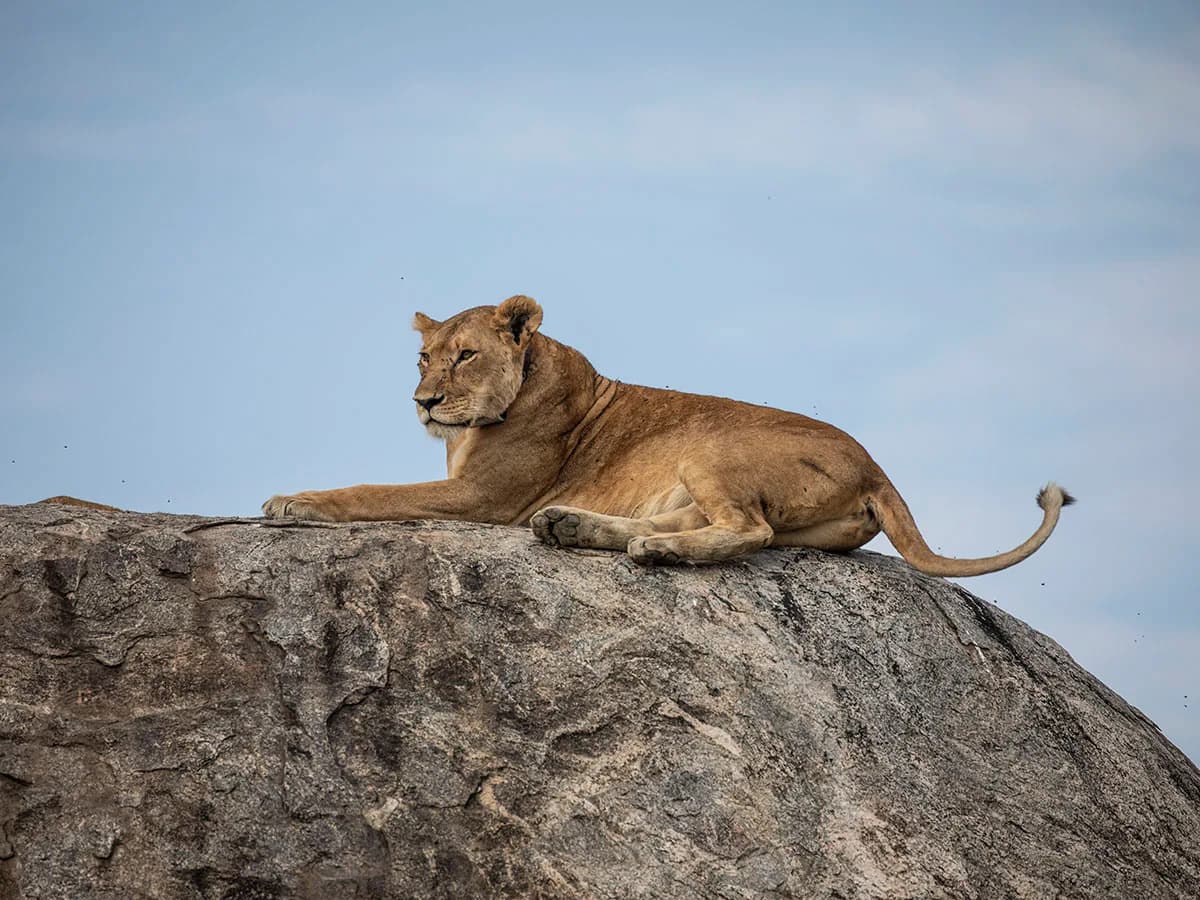 Photo: Dancing Duma Tented Camp
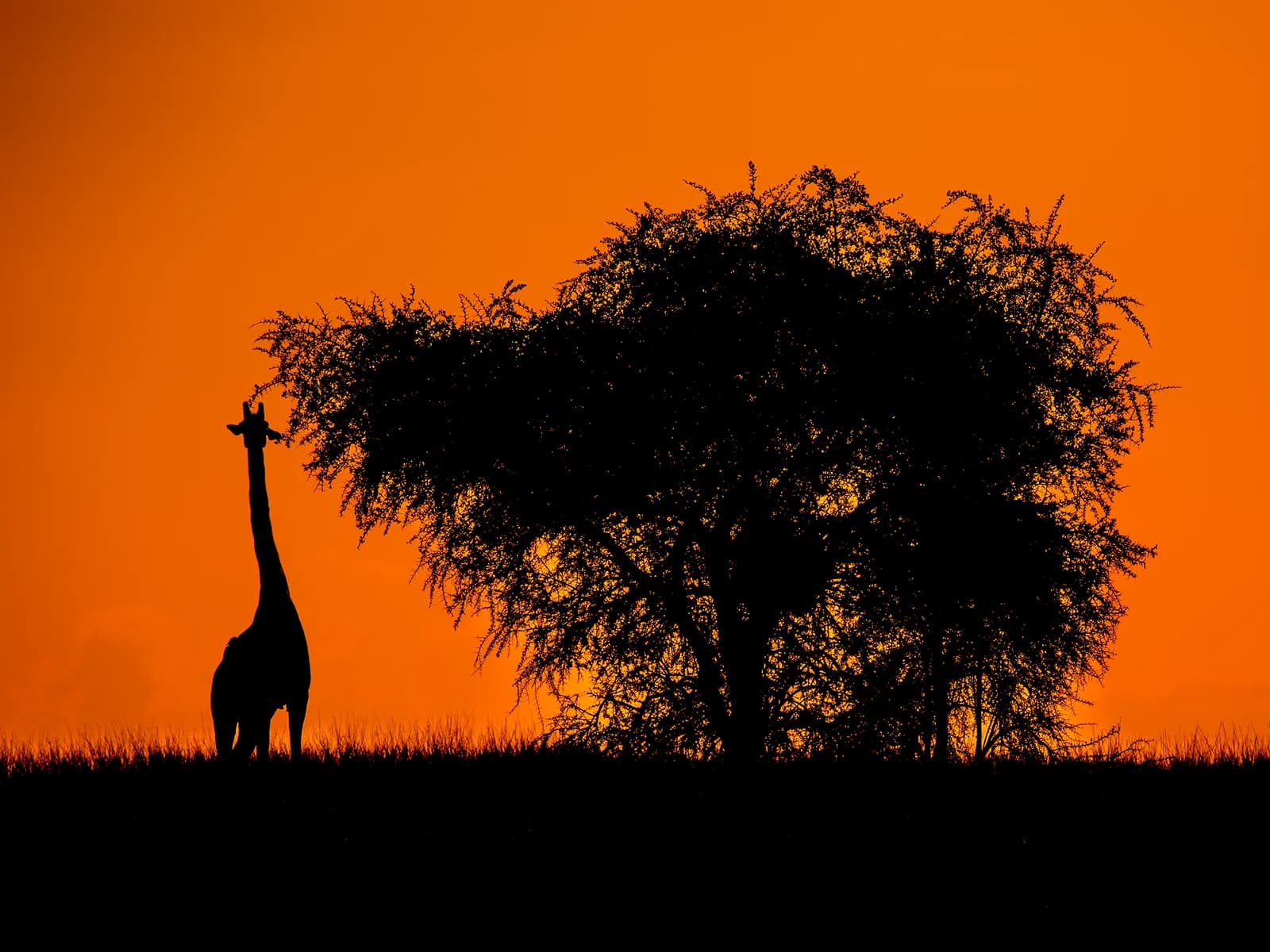 Photo: Dancing Duma Tented Camp
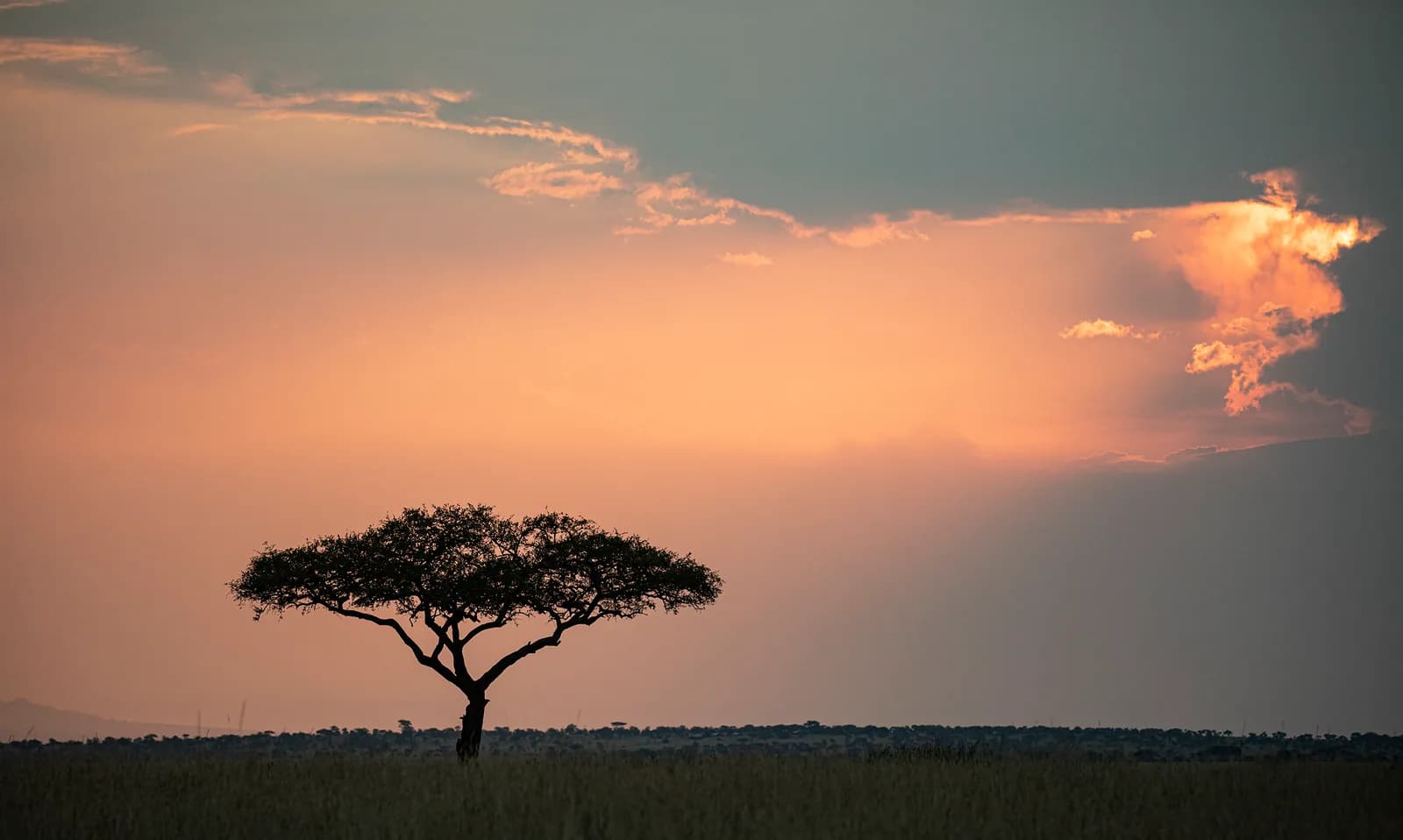 Photo: Dancing Duma Tented Camp
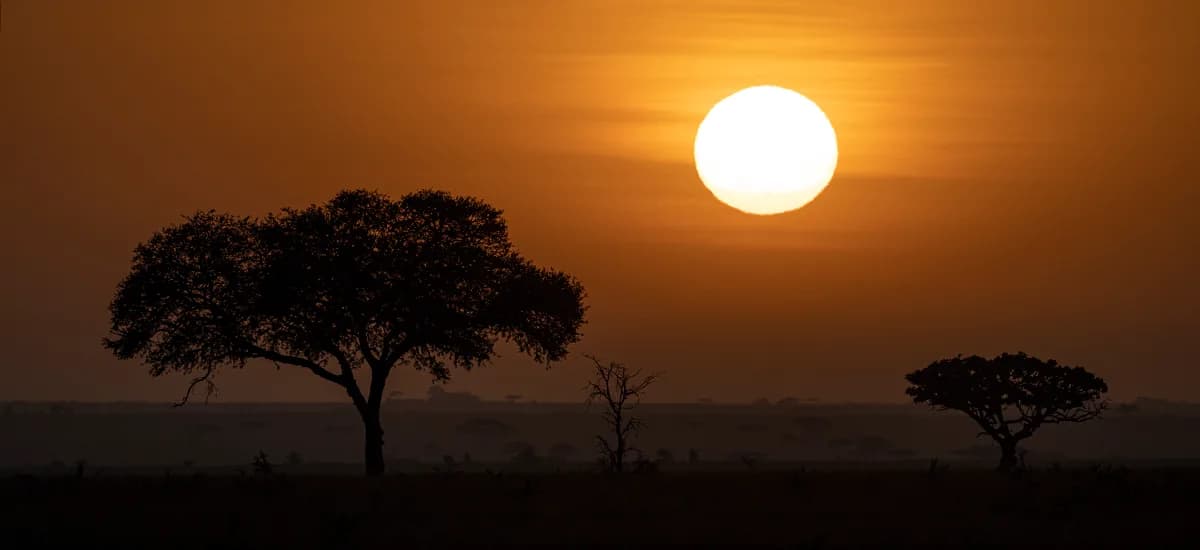 Photo: Dancing Duma Tented Camp
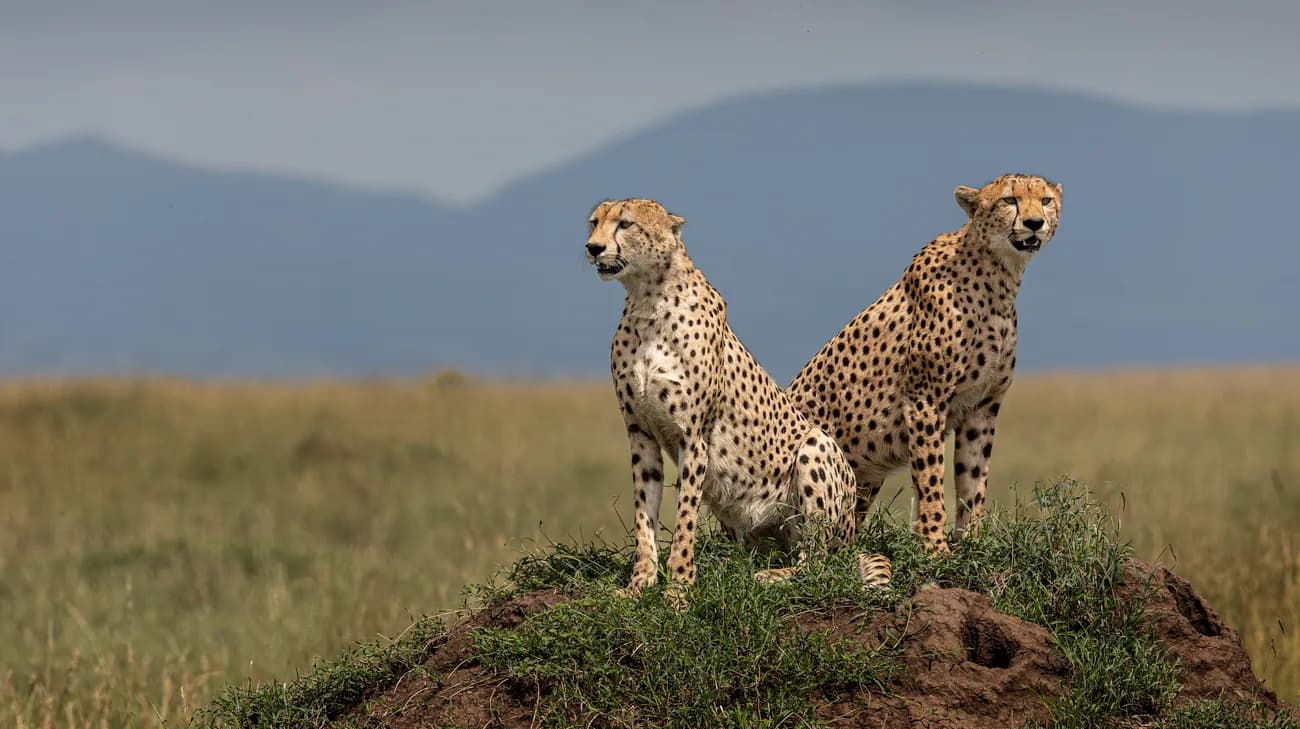 Photo: Dancing Duma Tented Camp
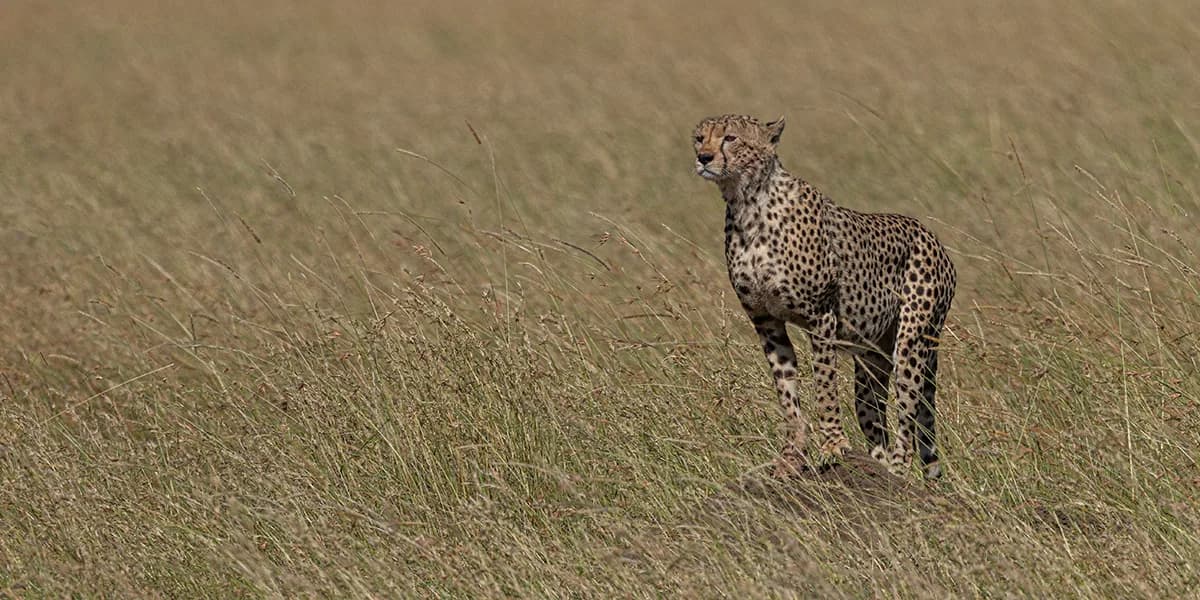 Photo: Dancing Duma Tented Camp
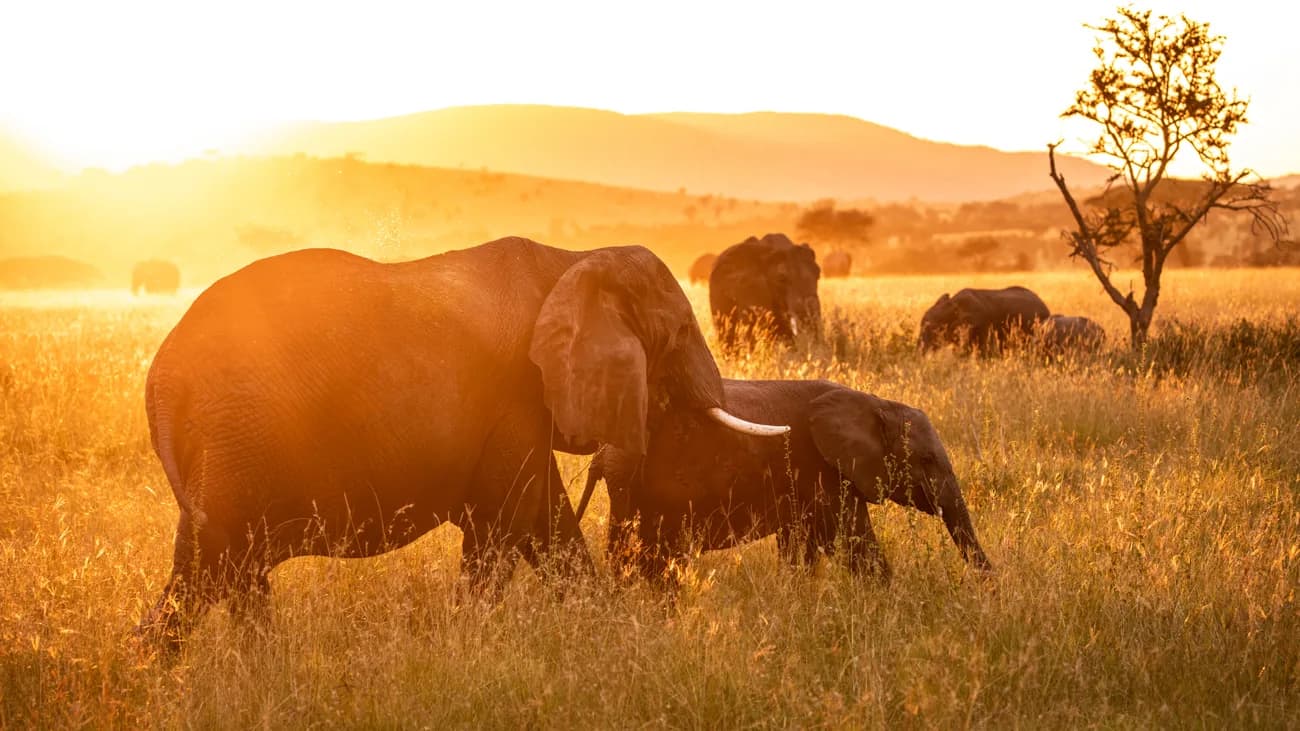 Photo: Dancing Duma Tented Camp
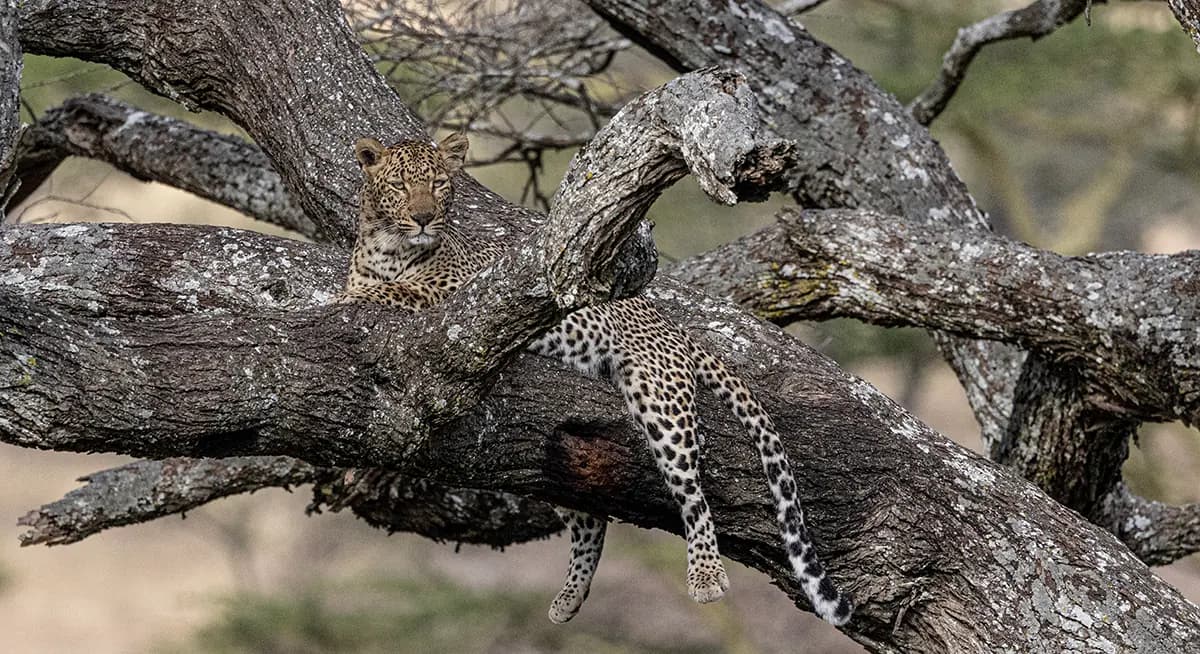 Photo: Dancing Duma Tented Camp
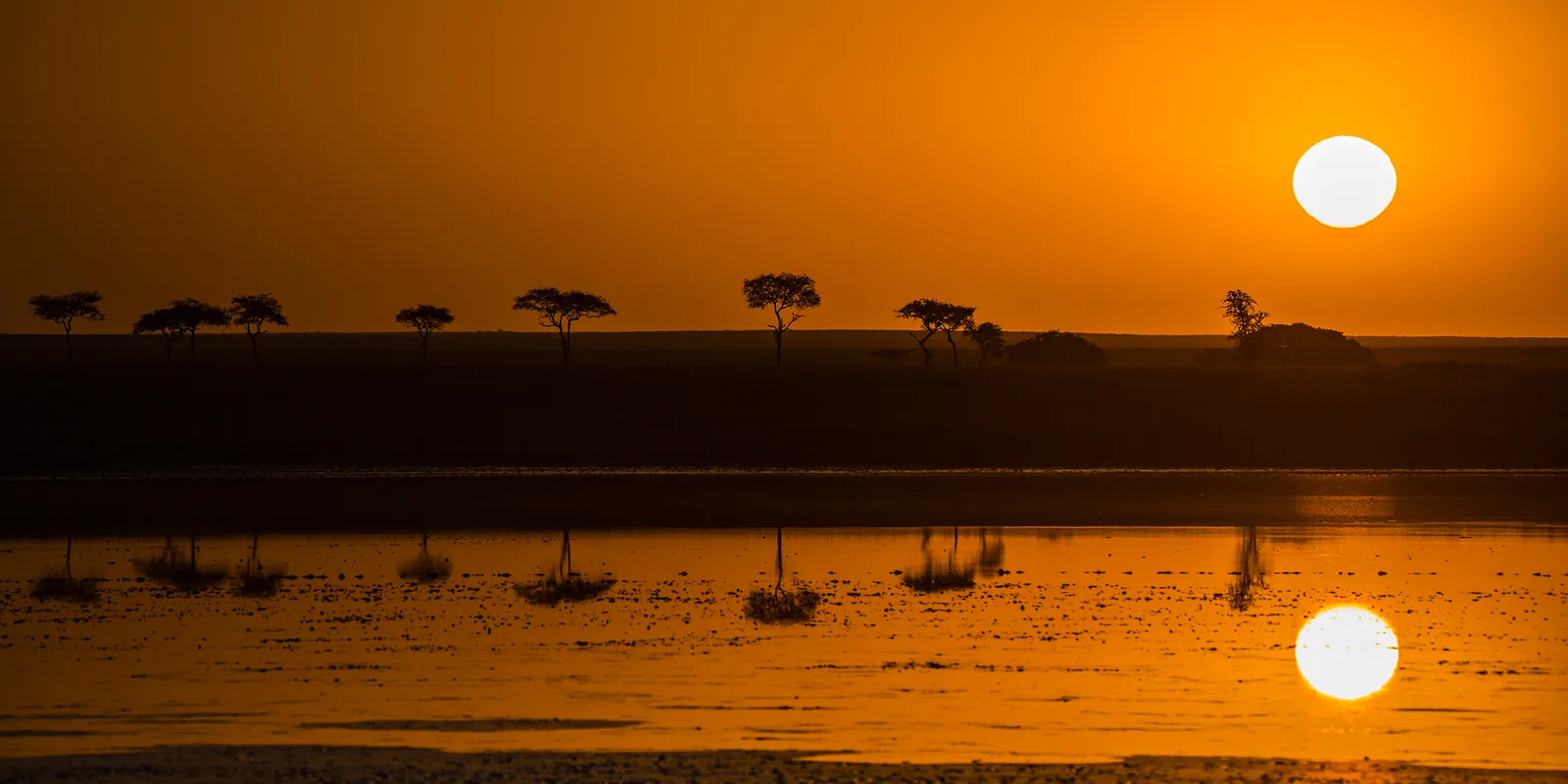 Photo: Dancing Duma Tented Camp
Questions travellers actually ask
Three as a working minimum, four if the migration is your priority. Two is possible but you will spend a disproportionate share of it travelling to and from the park.
If your dates and sector match where the herds are, yes: huge numbers. But wildebeest move by rainfall, not calendar, and timing shifts by weeks between years. We plan for the most likely position and tell you honestly what the risk is.
In the north during August, at a river crossing, yes. Expect company. Elsewhere, and in February or October, the park absorbs visitors easily. Sector and month matter more than the park’s reputation.
Driving shows you the Rift Valley and Ngorongoro on the way but costs most of a day each direction. Flying gives those days back. On a 6–10 day journey we usually fly one leg and drive the other.
Mostly it comes down to nights, level and whether you fly. Park and concession fees are charged per person per day whatever you sleep in, so each night adds a fixed amount before the camp is counted. Flying in costs more but gives back a day each way. Our safari budget guide has per-night guide prices by level; send us your dates and we will confirm one all-in figure.
Under five days, often not. Driving from Arusha takes most of a day each way, which leaves one real day in the park. With four days or fewer, Tarangire and Ngorongoro usually give you more wildlife for the time, or fly in one way to make the Serengeti work.
Ask about this journey
Send us a few details and a person on the team will reply personally, not a template.
The three things most travellers read next after deciding on the Serengeti.