Tarangire
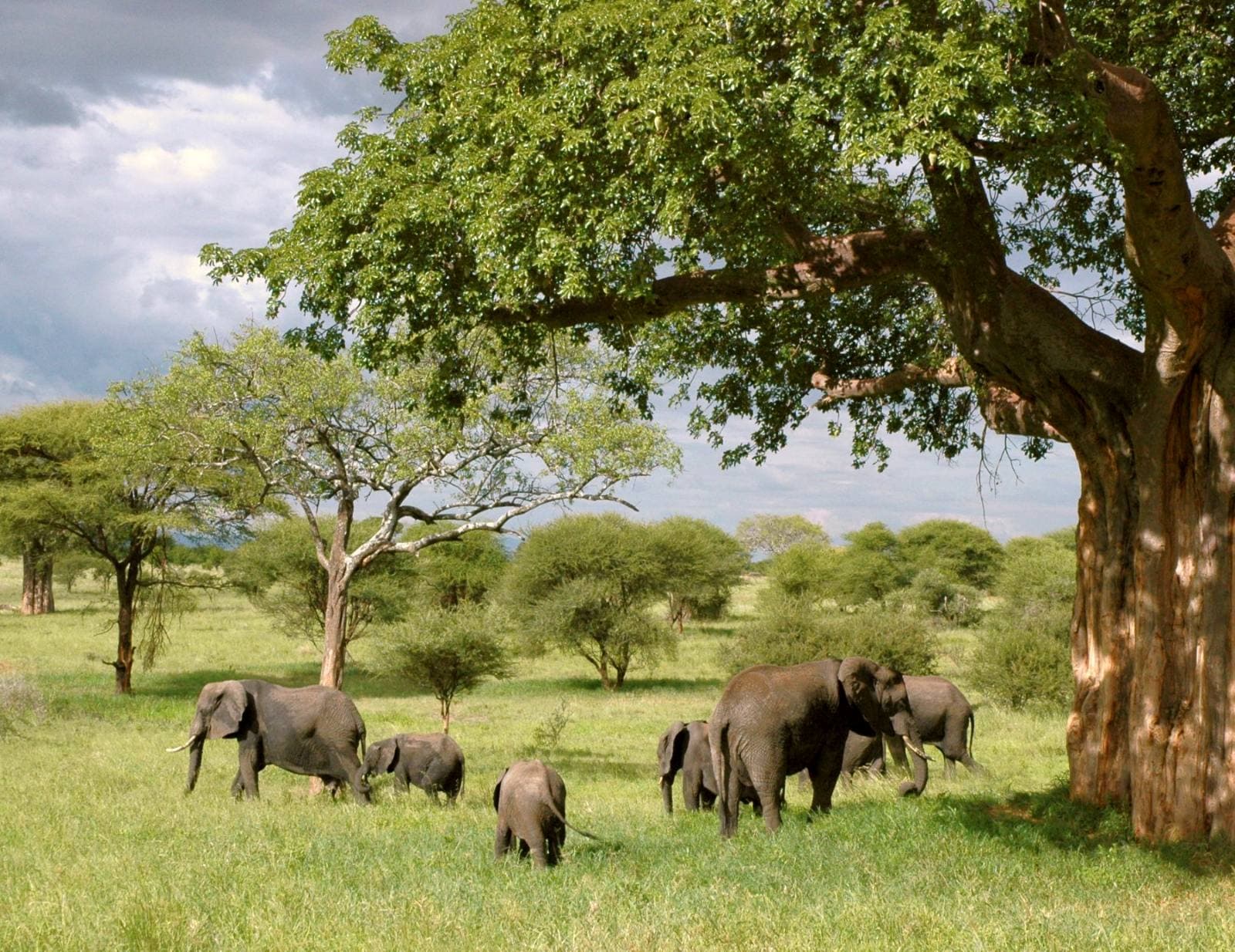
Baobabs, the largest elephant herds in northern Tanzania, and a fraction of the vehicles. The park most itineraries cut first.
Why we keep it in
Tarangire is the park operators drop when a client wants to save a day, and it is the park travellers most often name as their favourite afterwards. Both things are true because it is close to Arusha, so it feels expendable, and because it is quiet, so what happens there feels like yours.
In the dry season the Tarangire River is the only permanent water for a very large area, and the concentration that follows is remarkable: several hundred elephants in a day is normal.
The landscape
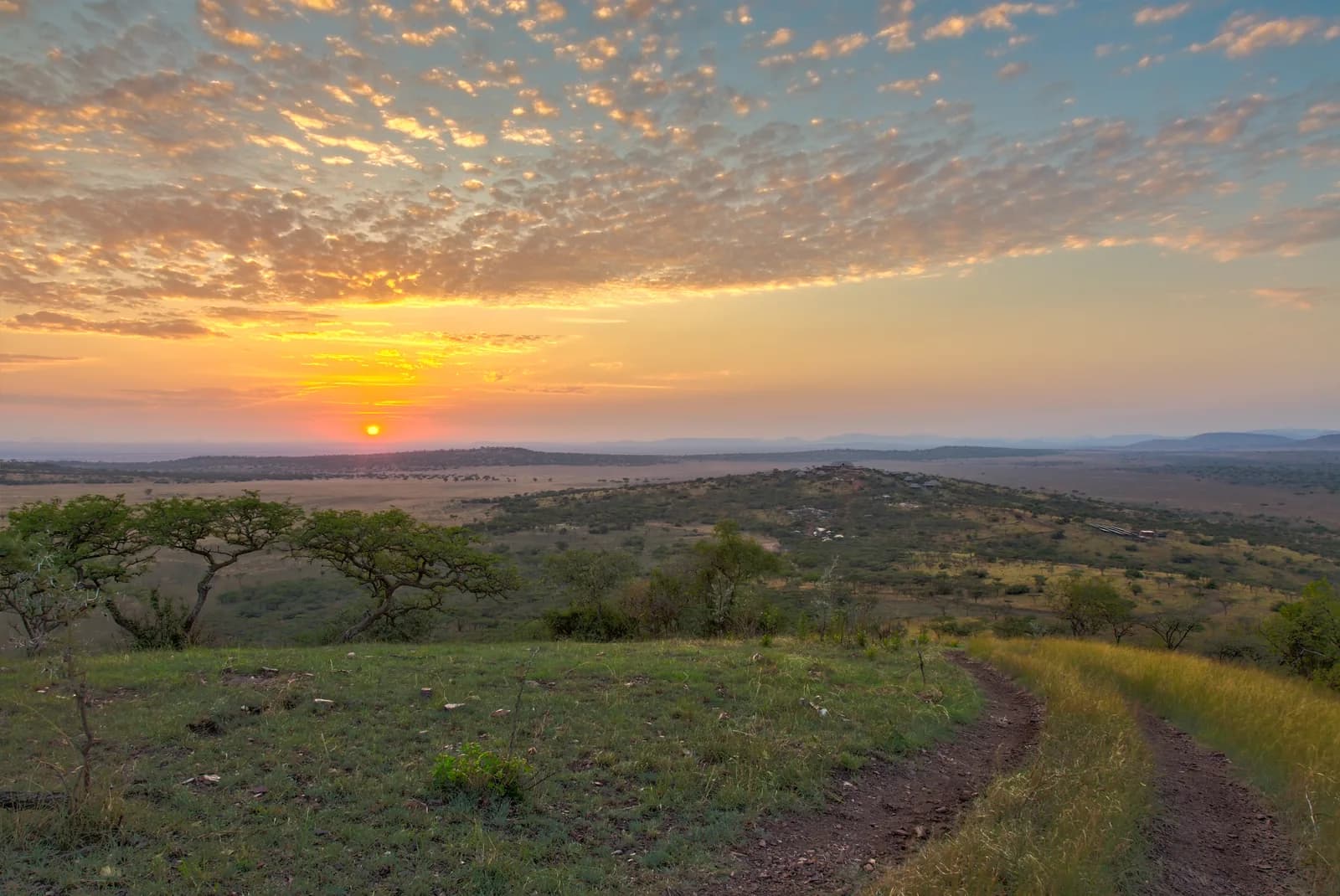
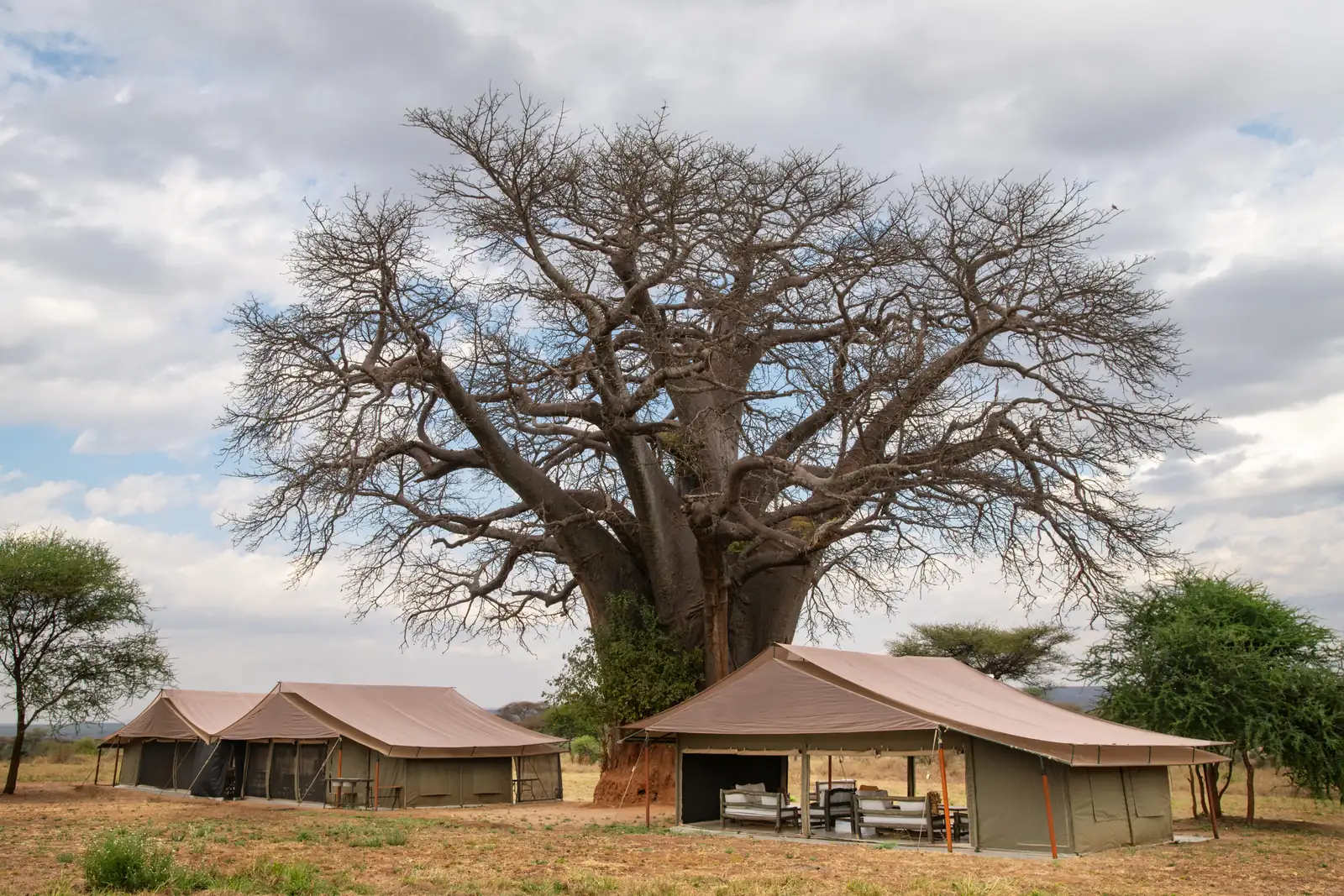
Rolling dry country broken by ancient baobabs, with a river valley cutting through the middle and seasonal swamps in the south. It looks less like the Serengeti postcard and more like most people imagine Africa: dense, textured, and full of shape rather than horizon.
Wildlife
- Elephant in exceptional numbers between July and October, often in herds of fifty or more.
- Lion, including prides that climb baobabs and fallen trees.
- Leopard along the river, and reasonable chances of cheetah in the south.
- Fringe-eared oryx, lesser kudu and gerenuk: dry-country species you will not see in the Serengeti.
- Over five hundred recorded bird species, the highest count of any Tanzanian park.
- Wildebeest and zebra in seasonal numbers, on a local migration separate from the great one.
Seasonality
Tarangire is more seasonal than most travellers realise. July to October is outstanding, because the river pulls everything in. In the green months from November to May the animals disperse across the wider ecosystem and the park can feel comparatively empty. It is beautiful, birdy and much less busy, but not the elephant spectacle.
If your dates fall in the green season and elephants are your priority, we will tell you to spend the nights elsewhere.
How it fits a wider journey
Two hours from Arusha, which makes it the natural first stop before the highlands and the Serengeti. On a three-day trip it is the park that gives you a full day without a transfer. On a long journey it is where we put a walking safari, since parts of it are open to foot with a ranger.
Gallery
Questions travellers actually ask
In the dry season, easily. One night means a single afternoon and a single morning drive, and the southern swamps are too far to reach in that. Two nights lets you go deep enough to leave the day-visitor loop.
No. It is a different ecosystem, at a different scale. It complements the Serengeti rather than substituting for it. If you only have days for one, and it is dry season, Tarangire plus the Crater beats a rushed Serengeti.
August to October, when the river is the only water left. That is also when the light and the dust make it the most photogenic park on the circuit.
In designated areas with an armed ranger, yes, and it is one of the better parks on the northern circuit for it. We arrange it as a dawn activity from a camp with the right permits.
Ask about this journey
Send us a few details and a person on the team will reply personally, not a template.
What to combine it with, and the experience it does best.