Ruaha
One of Tanzania's largest parks, and one of its least visited. Dry, wild country along the Great Ruaha River, with very few vehicles in it.
What makes it different
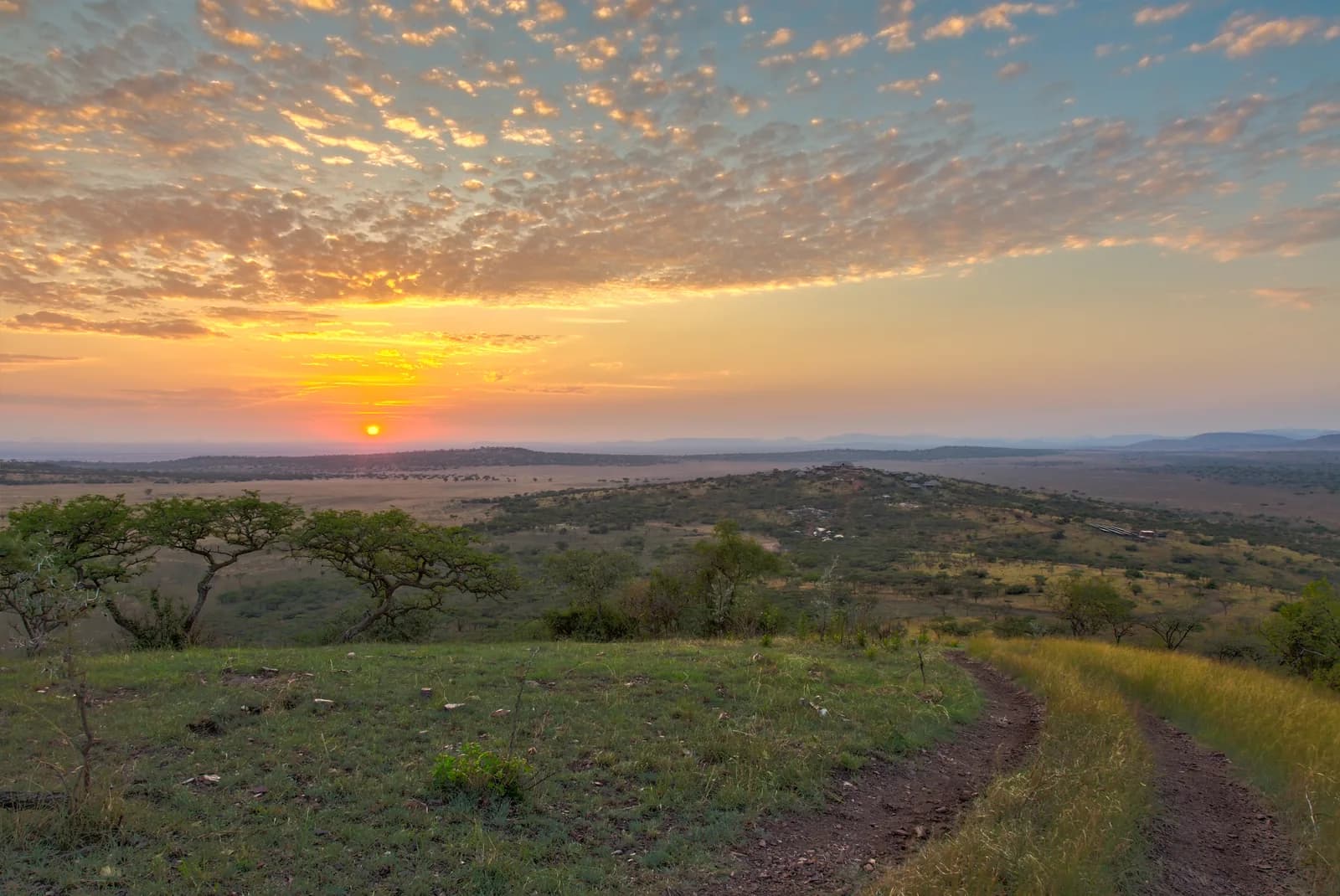
Ruaha covers some 20,000 km² of baobab country, rocky hills and sand rivers in the middle of southern Tanzania, with the Great Ruaha River along its eastern side. A handful of camps share it, so most drives pass few other vehicles, if any.
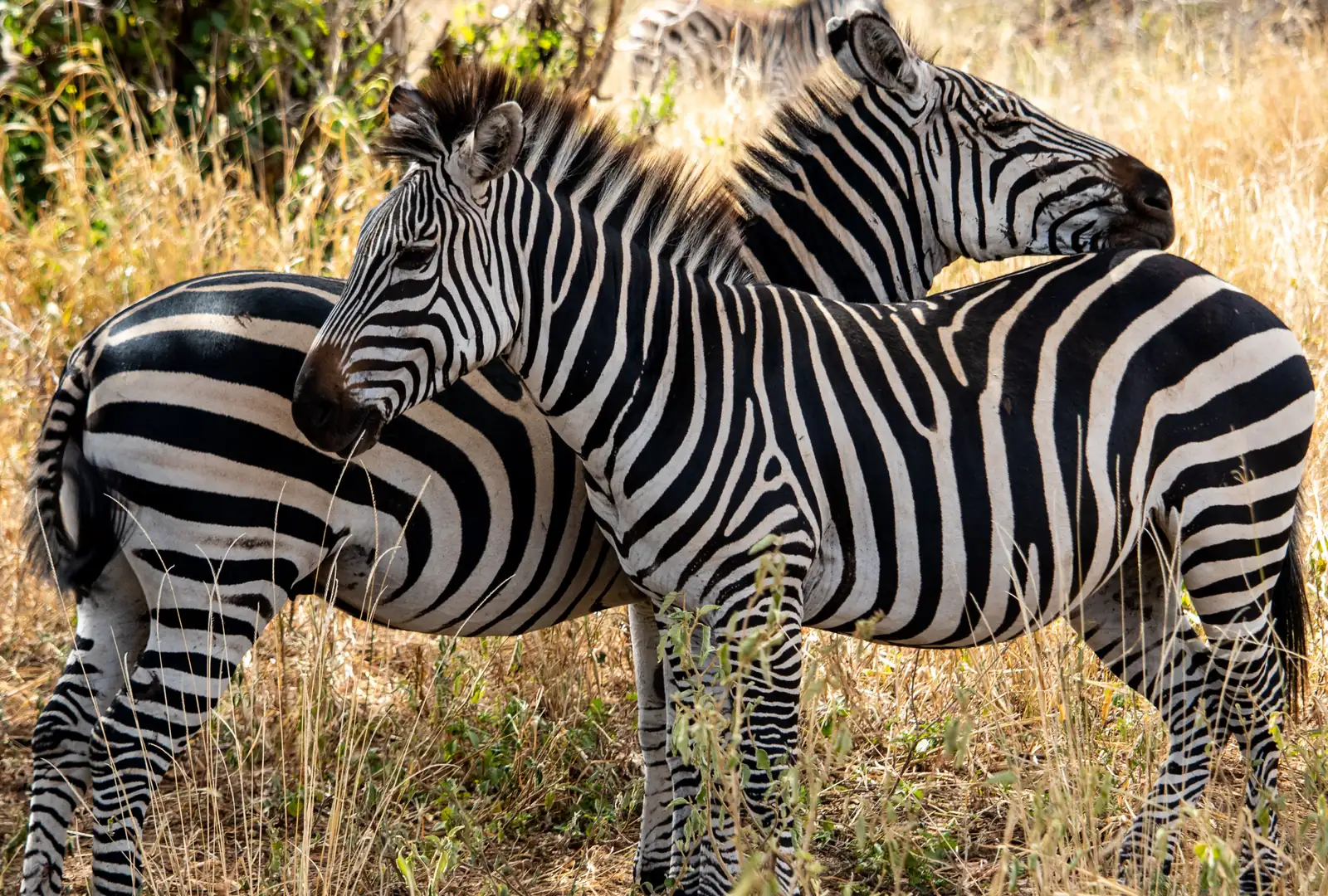
It sits where the wildlife of East and southern Africa overlap, so the species list differs from the north: greater and lesser kudu, and at times sable and roan antelope, alongside the familiar animals.
What lives here
- Elephant, buffalo and giraffe along the river and in the woodland.
- Lion, leopard and cheetah, with lion prides that can be large.
- Greater and lesser kudu, impala and other dry-country antelope.
- African wild dog in some years, never something to count on.
When to come
June to October is the dry season, when the river draws everything in and the bush thins out. It is hot by October. The green season from November is lush and quiet, and many camps close for the long rains, roughly April and May.
How long to stay
Three or four nights, because the flight in and out takes a good part of a day each way. Ruaha pairs well with Nyerere for a southern-only trip, or as the remote half of a journey that starts in the north.
Questions travellers actually ask
By light aircraft from Arusha, a few hours with stops at other airstrips on the way, to an airstrip inside the park. There is no sensible road option from the north.
Smaller herds, far fewer vehicles, and a drier, rougher landscape of baobabs, rocky hills and sand rivers. It is less about the spectacle of numbers and more about having a place almost to yourself.
Yes. Several camps offer walks with an armed ranger, and some run fly-camping nights out in the bush in the dry season.
We arrange the south on request, around your dates and the camps that are open. Tell us what you have in mind and we will come back with a proper plan and one all-in price.
Ask us about the south
Send us a few details and a person on the team will reply personally, not a template.
The rest of the south, and the north for comparison.