Accommodation · Premium
Premium Camps & Lodges
Twelve to twenty-four guests, in the right part of the park, with a guiding team that has been there for years. That is what the money is for.
Guests
Typically 12–24
Rooms
Suites or large tents
Basis
Full board, often all-inclusive
Book by
10–12 months ahead
Where we book
The premium camps and lodges we book, by area. Some sit at Mid-range on price: premium here is about size, position and guiding.
- Kubu Kubu Tented LodgeCentral SerengetiPremium
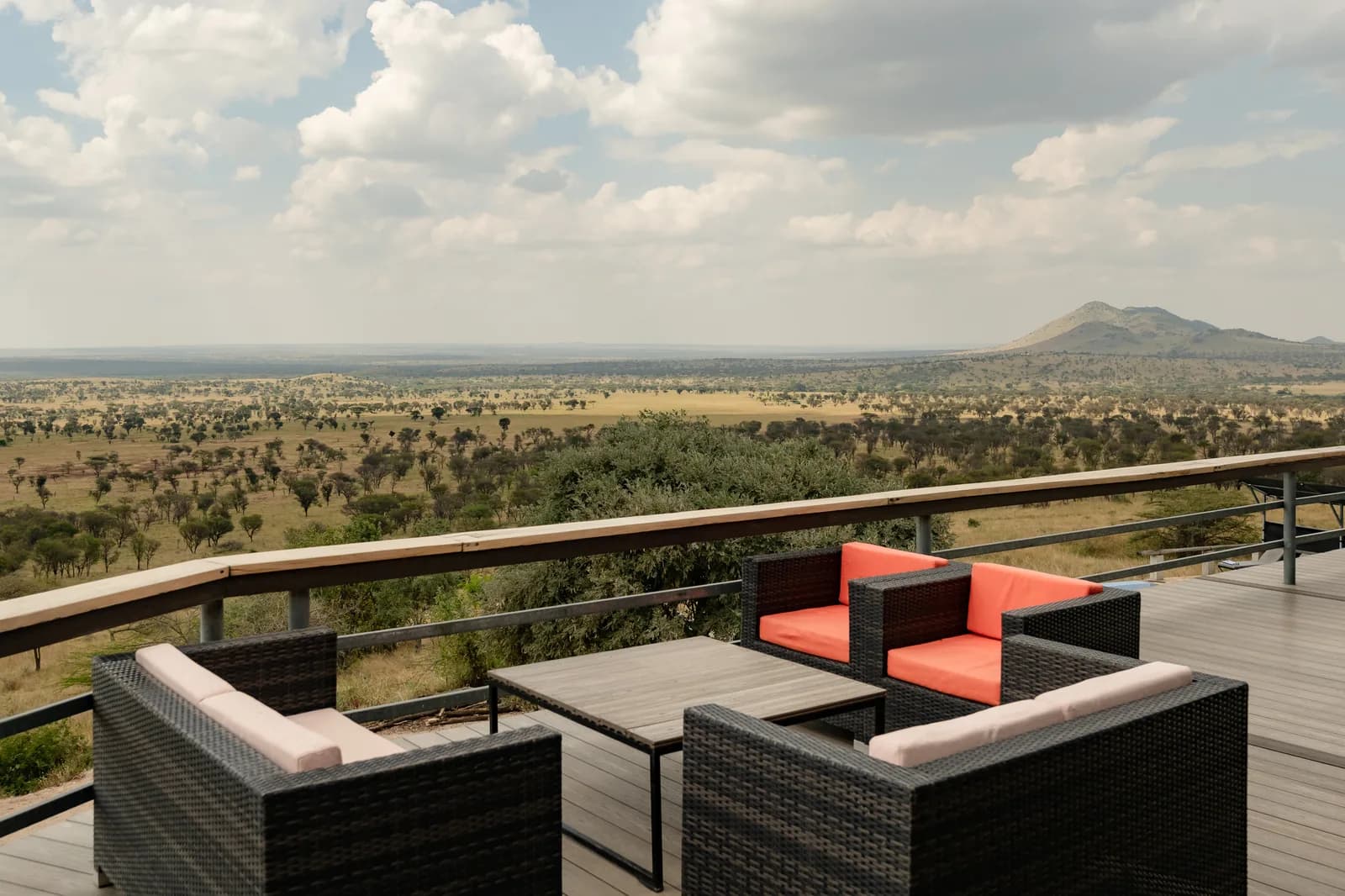
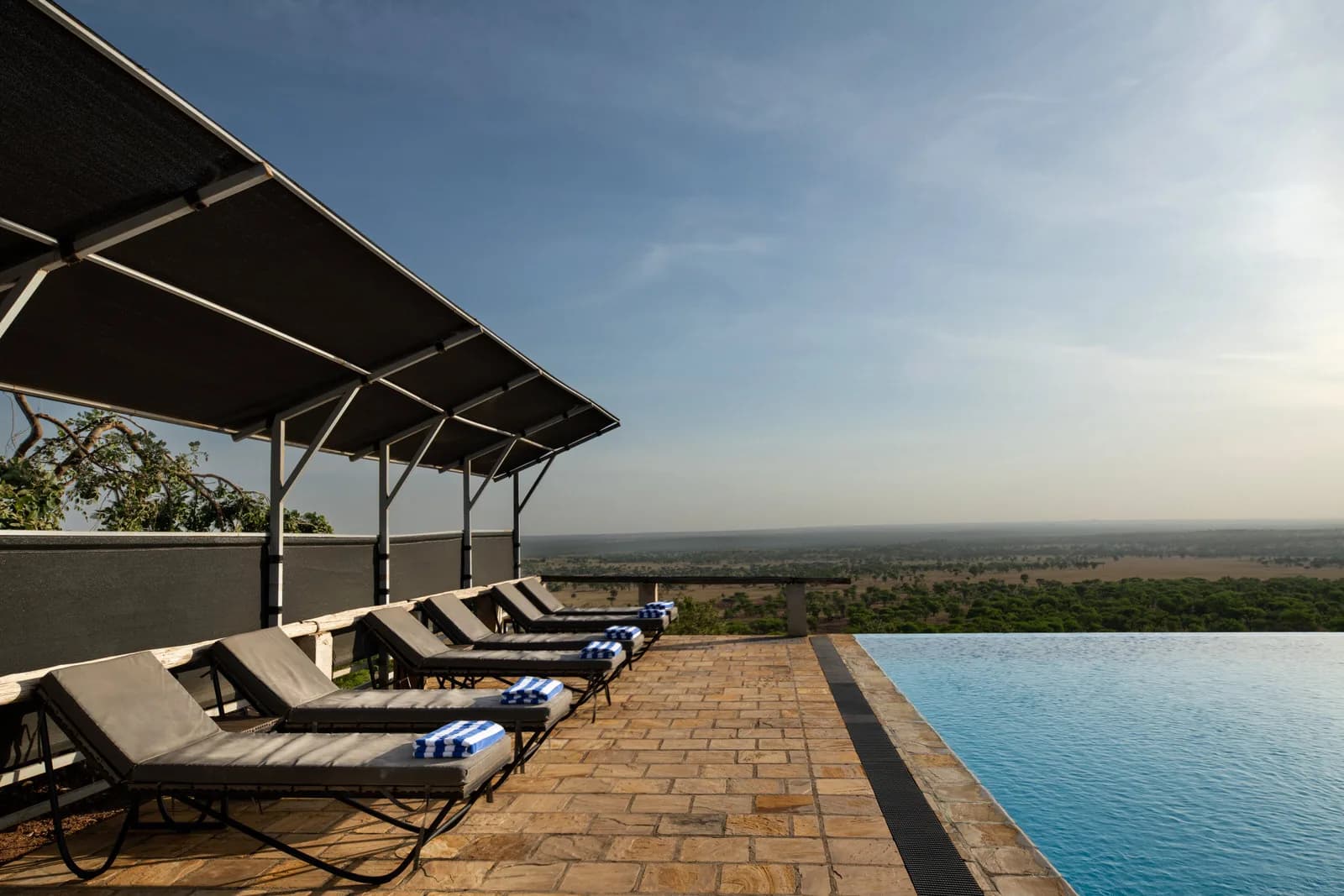
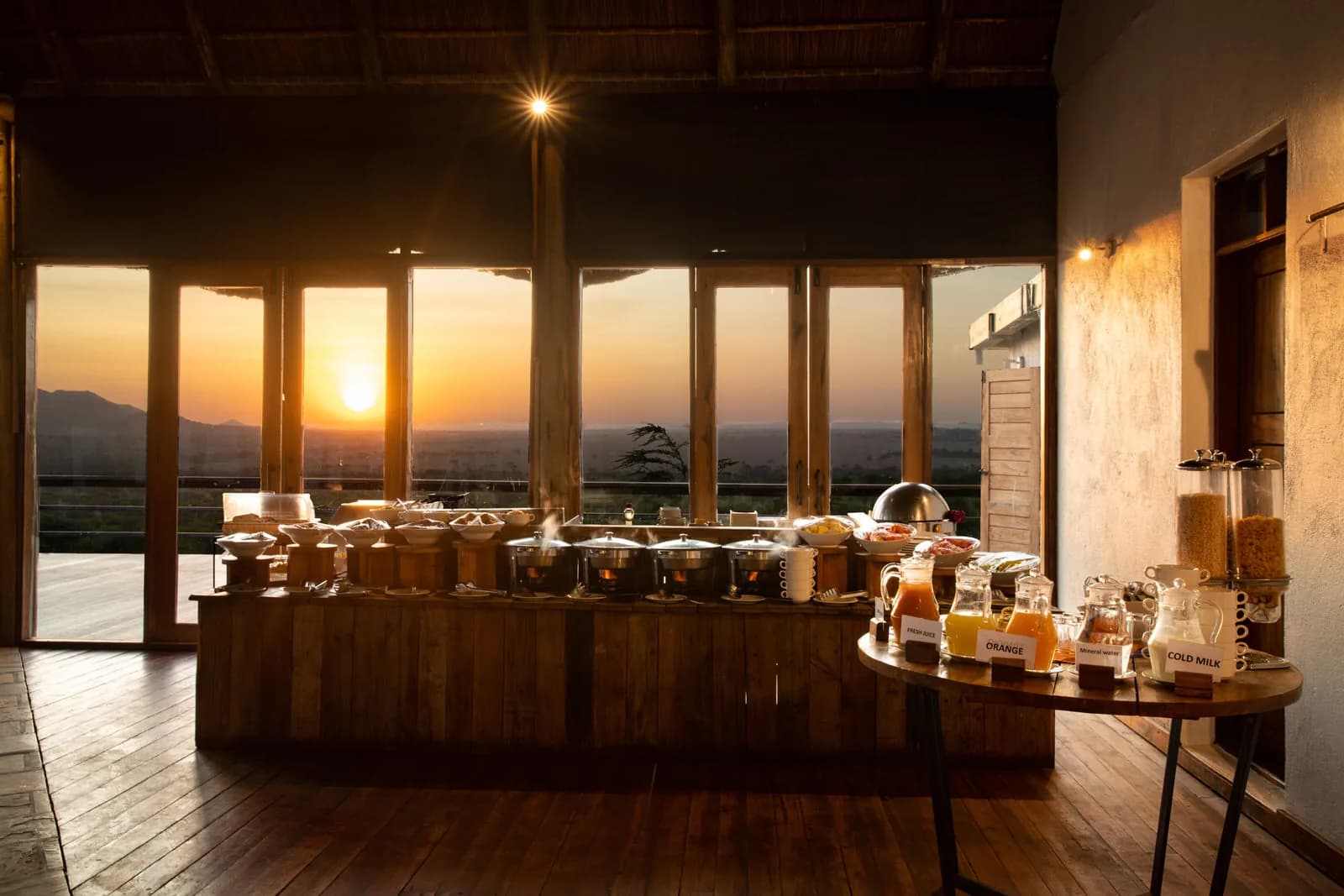
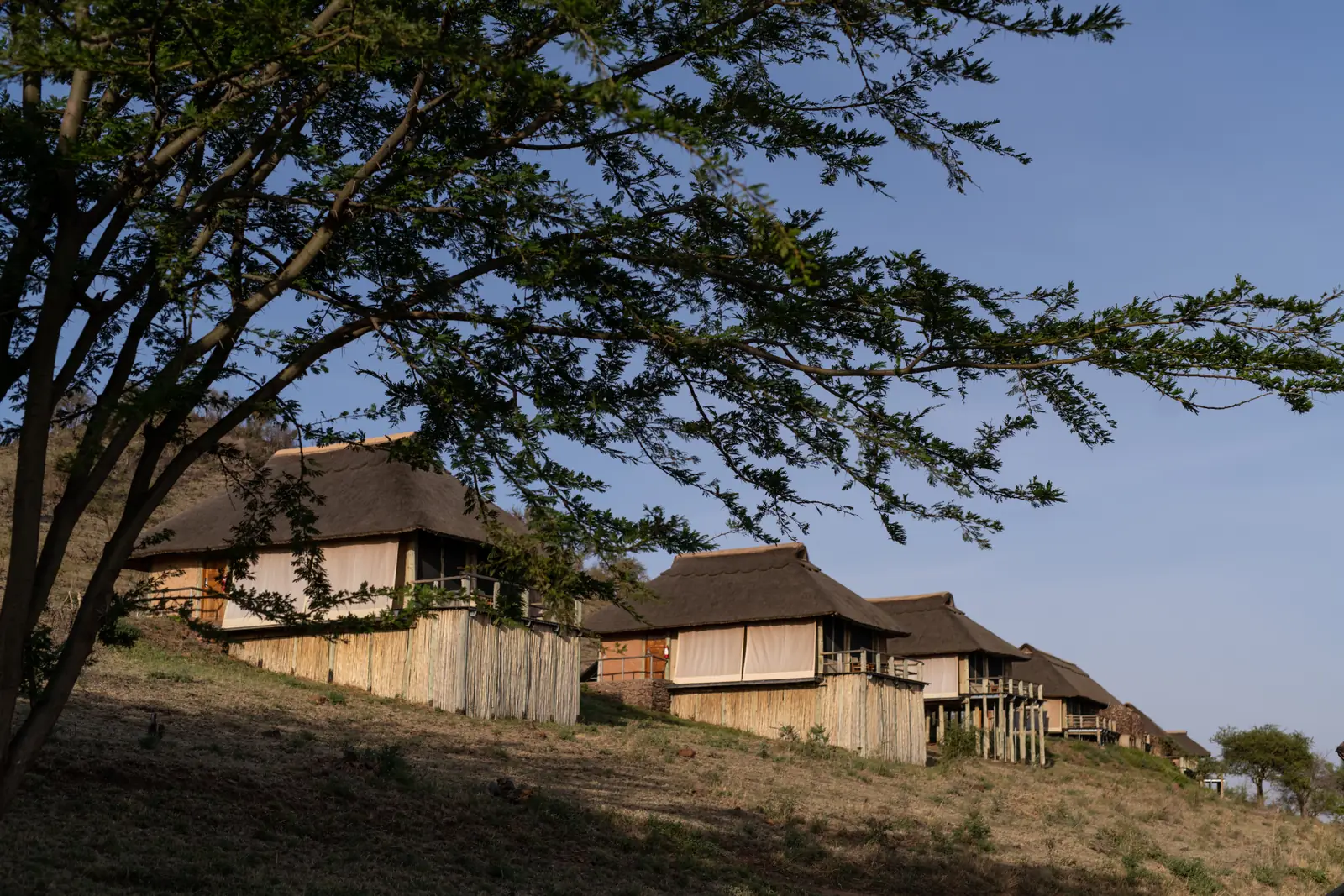
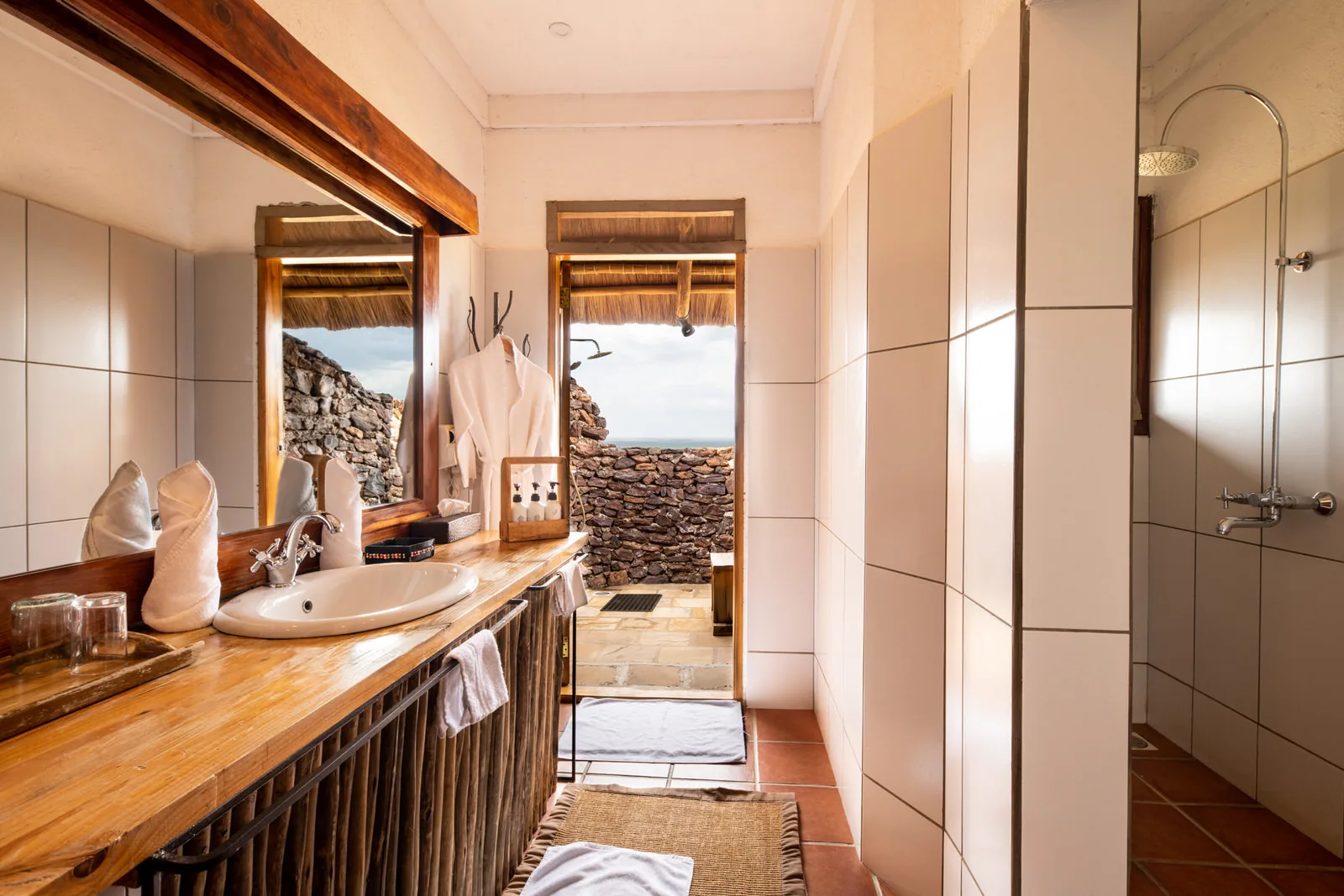
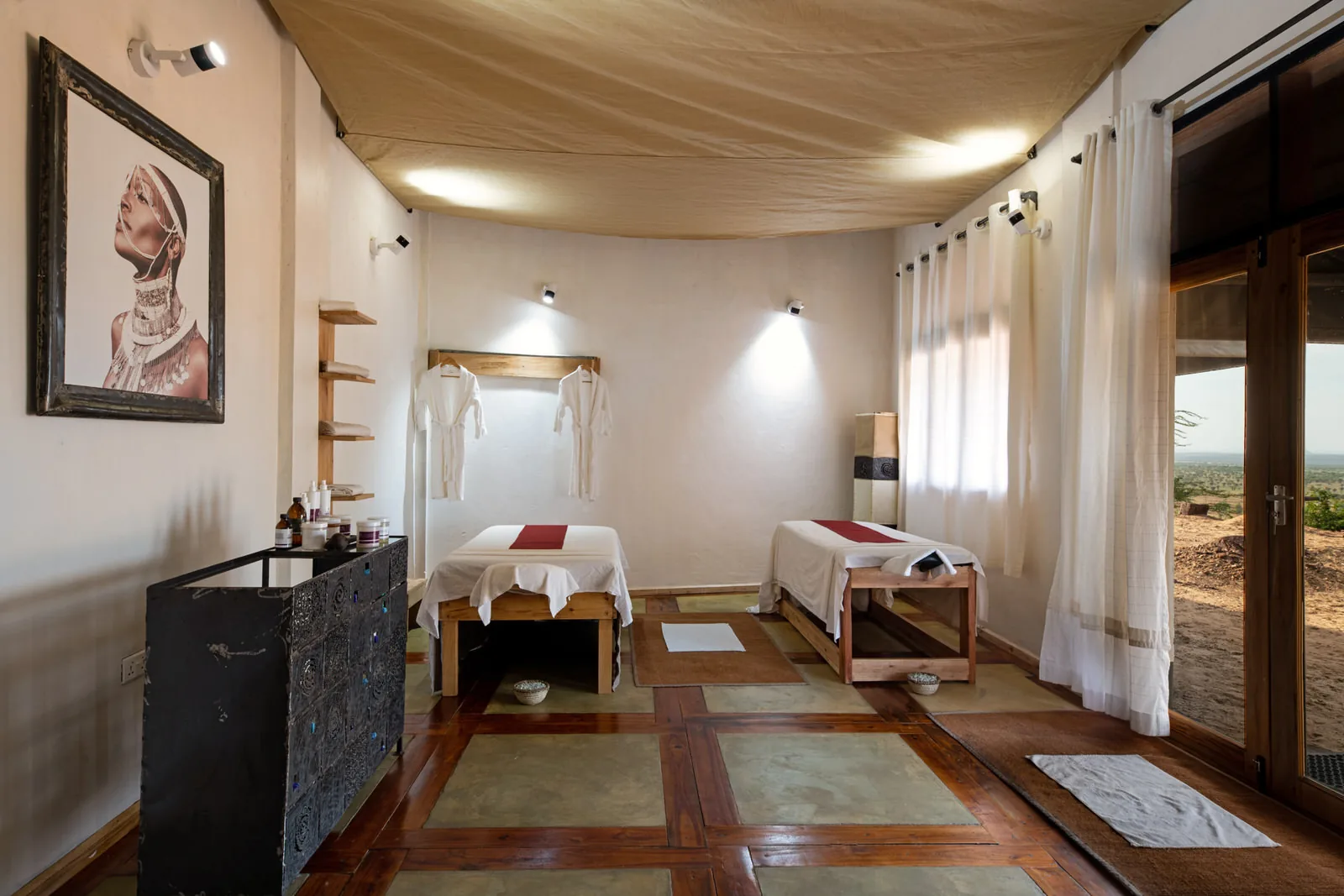
Photos: Tanganyika Wilderness Camps - One Nature NyaruswigaCentral SerengetiPhotos coming soonPremium
- Four Seasons Safari Lodge SerengetiCentral SerengetiPhotos coming soonPremium
Four Seasons Safari Lodge Serengeti
- Area
- Central Serengeti
- Level
- Premium
- Meal plan
- Full board
- Mara Mara Tented LodgeNorth SerengetiPhotos coming soonPremium
- One Nature Mara RiverNorth SerengetiPhotos coming soonPremium
- TAASA Migration CampNorth Serengeti · Jul–Oct; Ndutu · Dec–MarPhotos coming soonPremium
TAASA Migration Camp
- Area
- North Serengeti · Jul–Oct; Ndutu · Dec–Mar
- Level
- Premium
- Meal plan
- Full board
- TAASA LodgeNE Serengeti (Loliondo)Photos coming soonPremium
Examples we book, not a fixed list. Which one suits your journey depends on your dates, route and availability, and we quote every stay in your personal price.
What you get that the tier below does not
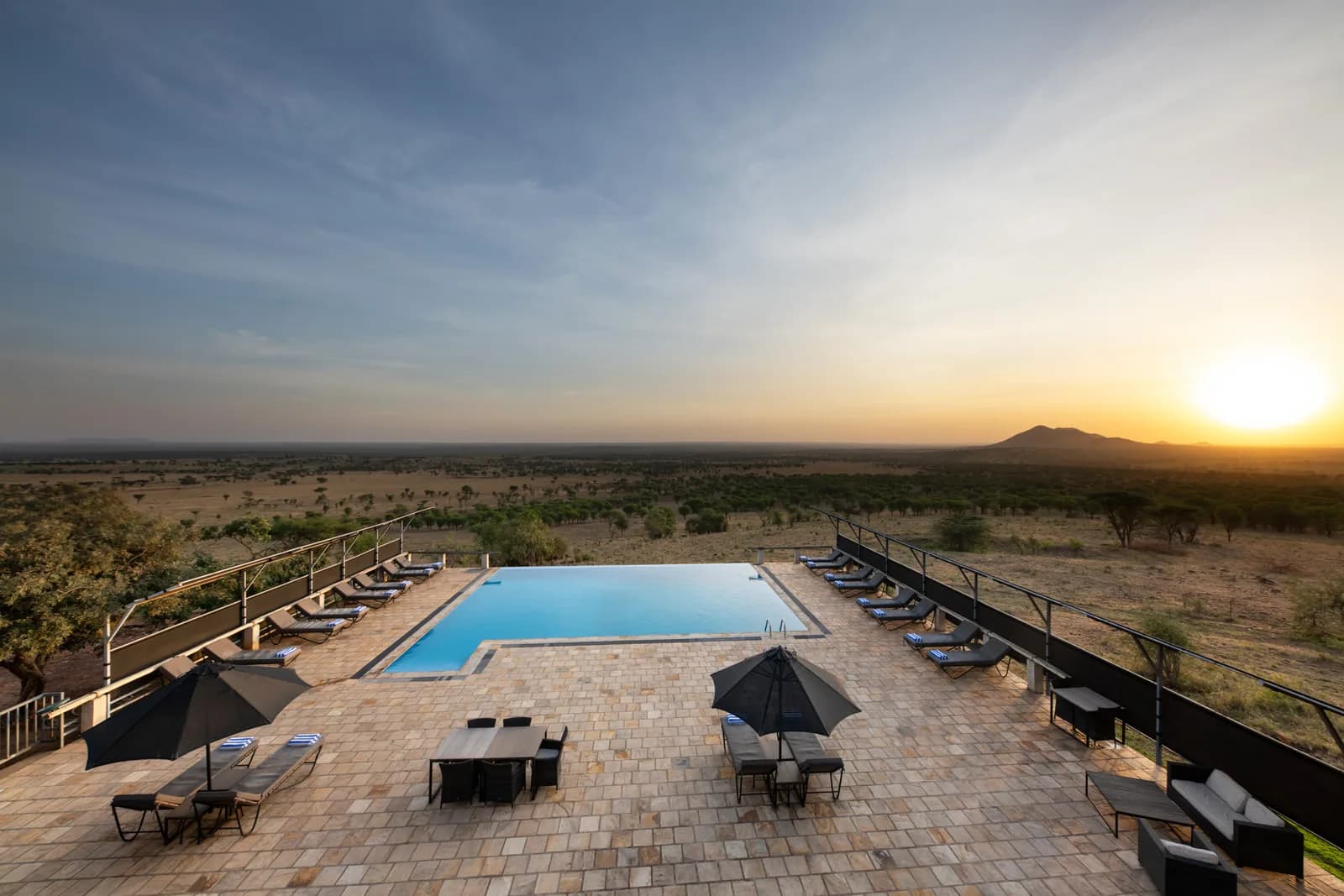
- Position: inside the park or on a private concession, so game drives start where the animals are rather than an hour away.
- Exclusivity: often a private concession where night drives and walking are permitted and park rules do not cap you.
- Guiding: senior guides who stay for whole seasons and know individual animals, not rotating staff.
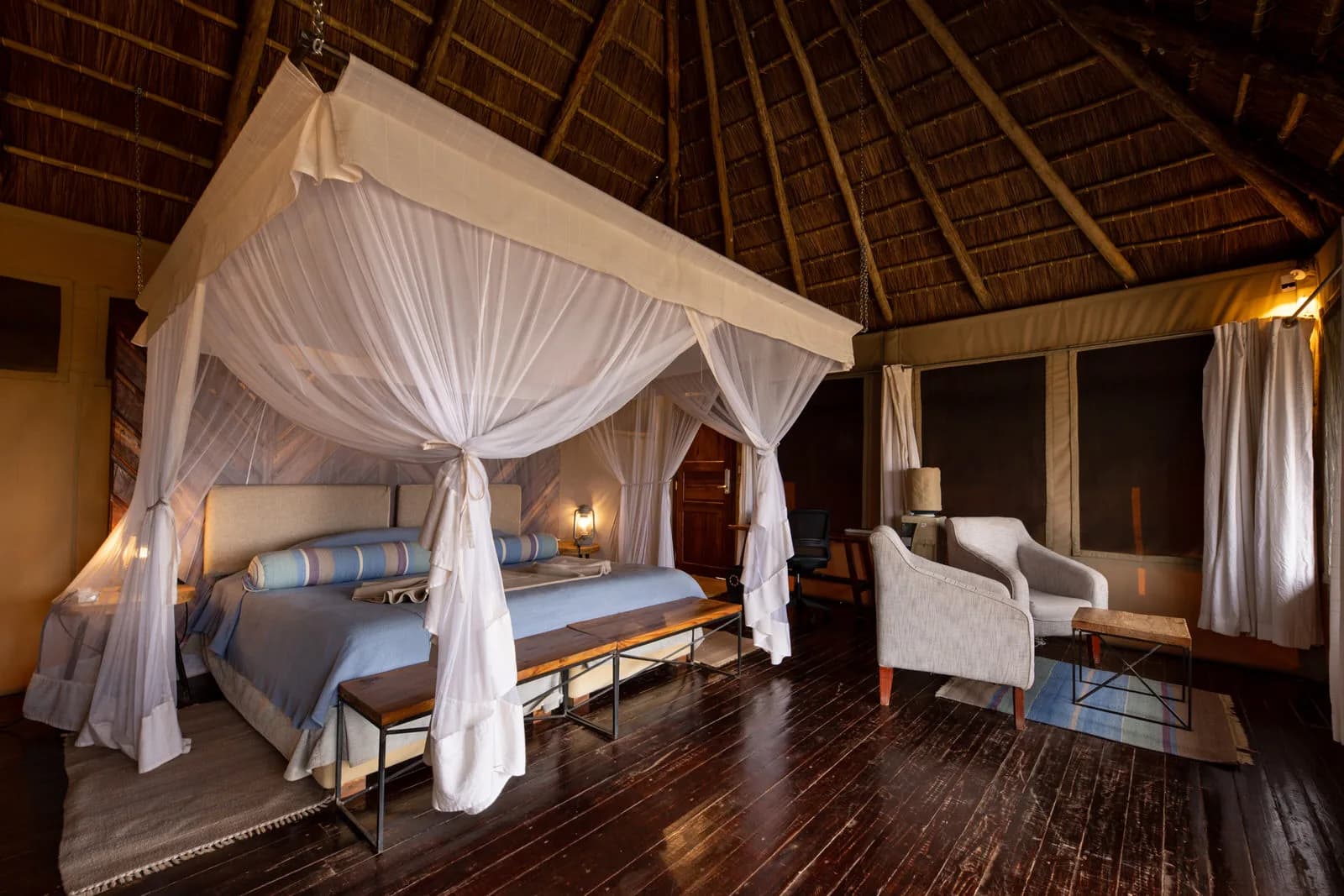
- Space: a dozen guests means unhurried meals, flexible timings, and dinner you actually enjoy.
- Service depth: laundry, early breakfasts at any hour, dietary needs handled without drama.
- Often all-inclusive: house drinks, all activities and park transfers folded in, which changes the real comparison against a cheaper nightly rate.
What we check before recommending one
- Where exactly it sits, in which sector, and how far the first hour of driving is.
- Whether it moves seasonally, and whether it will be in the right place on your dates.
- Who the guiding team is that season, not who it was two years ago.
- What is genuinely included, and what appears on the bill at checkout.
- How it treats staff and its community, which we ask about directly.
- Whether we or a colleague have physically been recently. If not, we say so.
Questions travellers actually ask
Where to go next
The journey that uses this level, and the other three ways to sleep in the bush.