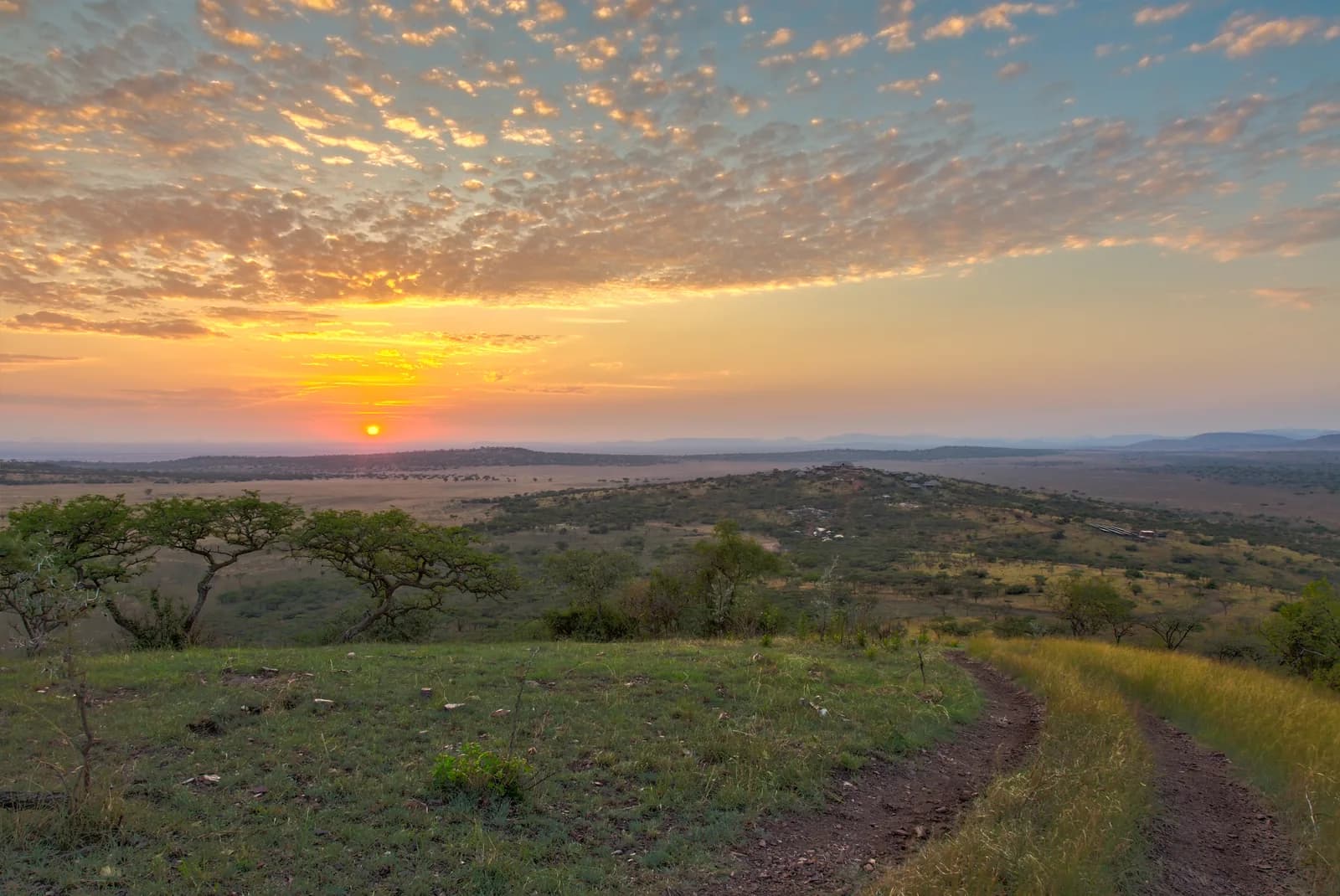
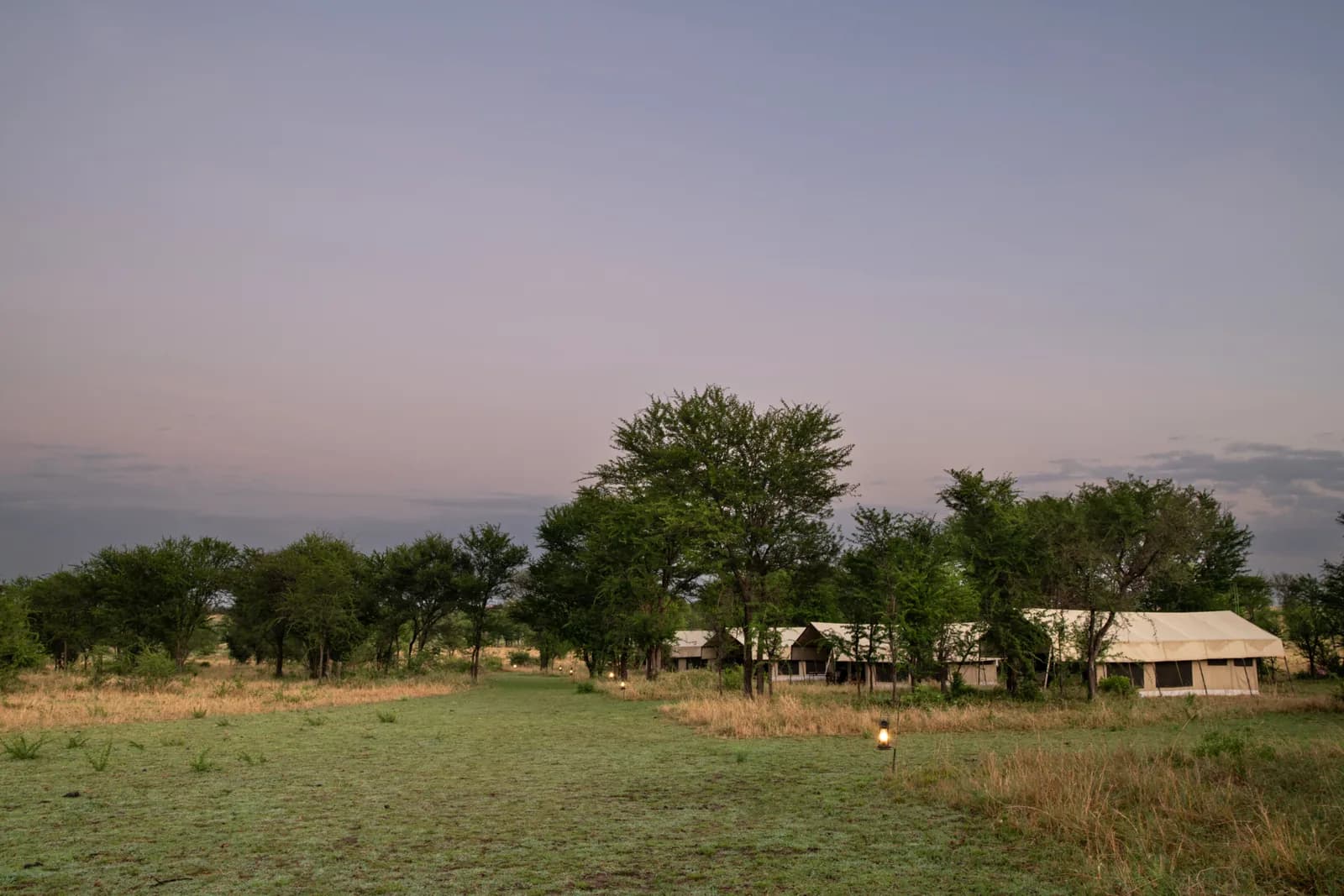
 Photo: Tanganyika Wilderness Camps
Seasonal Mobile Camps
Six to twelve guests under canvas, packed up and moved two or three times a year to stay near the herds. Simpler than a lodge, and often in the best place in the park.
Where we book
The mobile camps we book, with the months each is pitched in each area.
- Serengeti Kati KatiCentral SerengetiMid-range
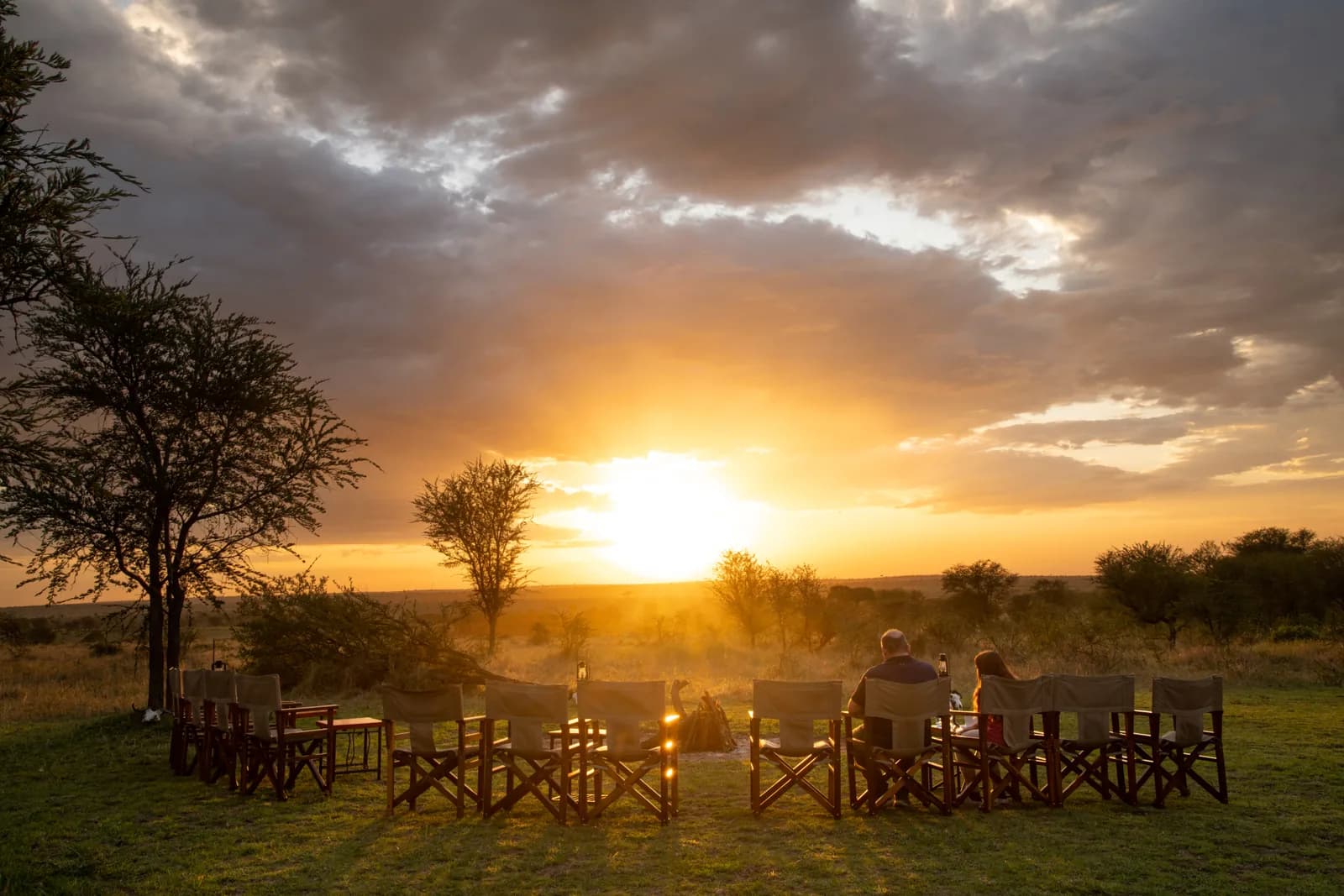
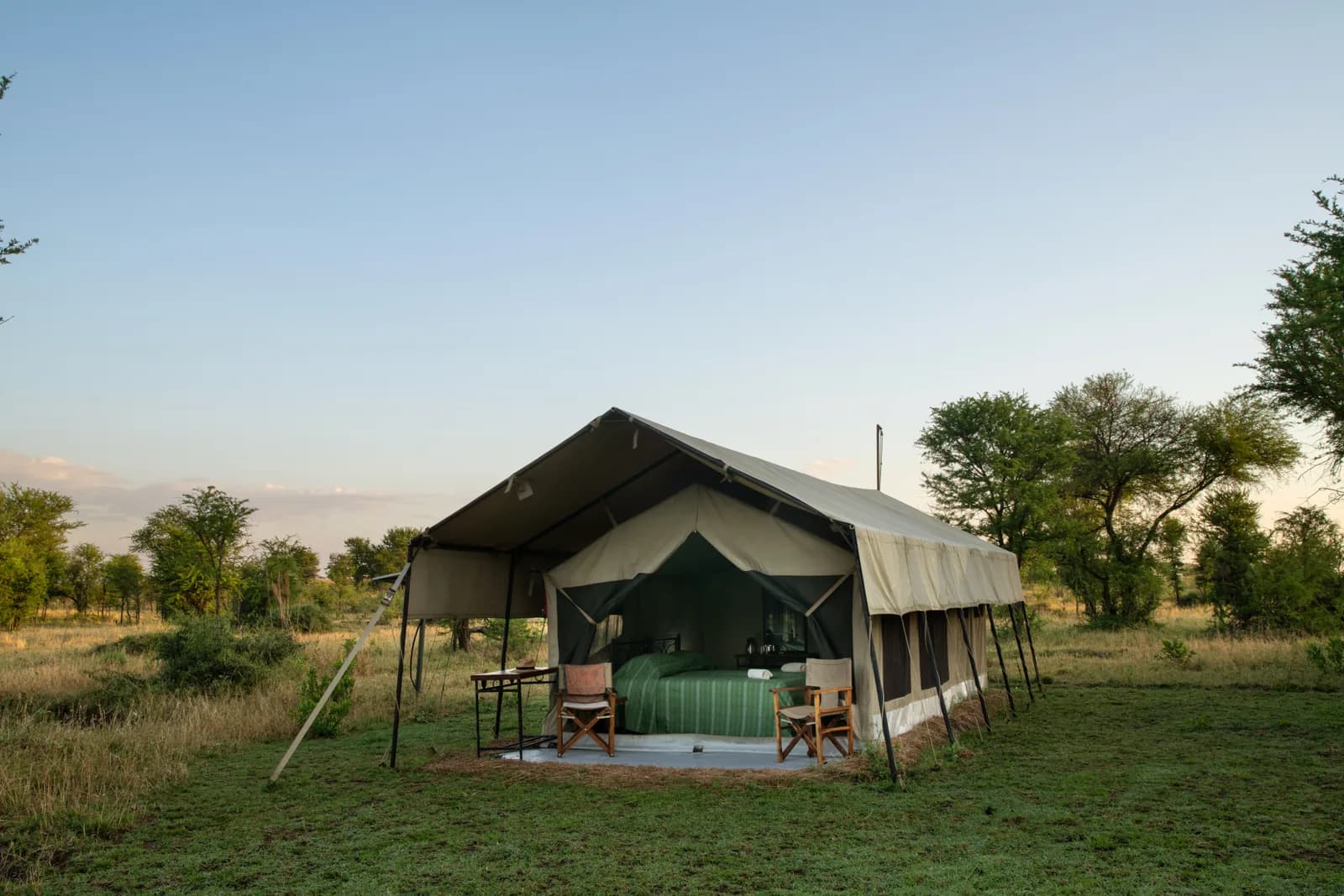
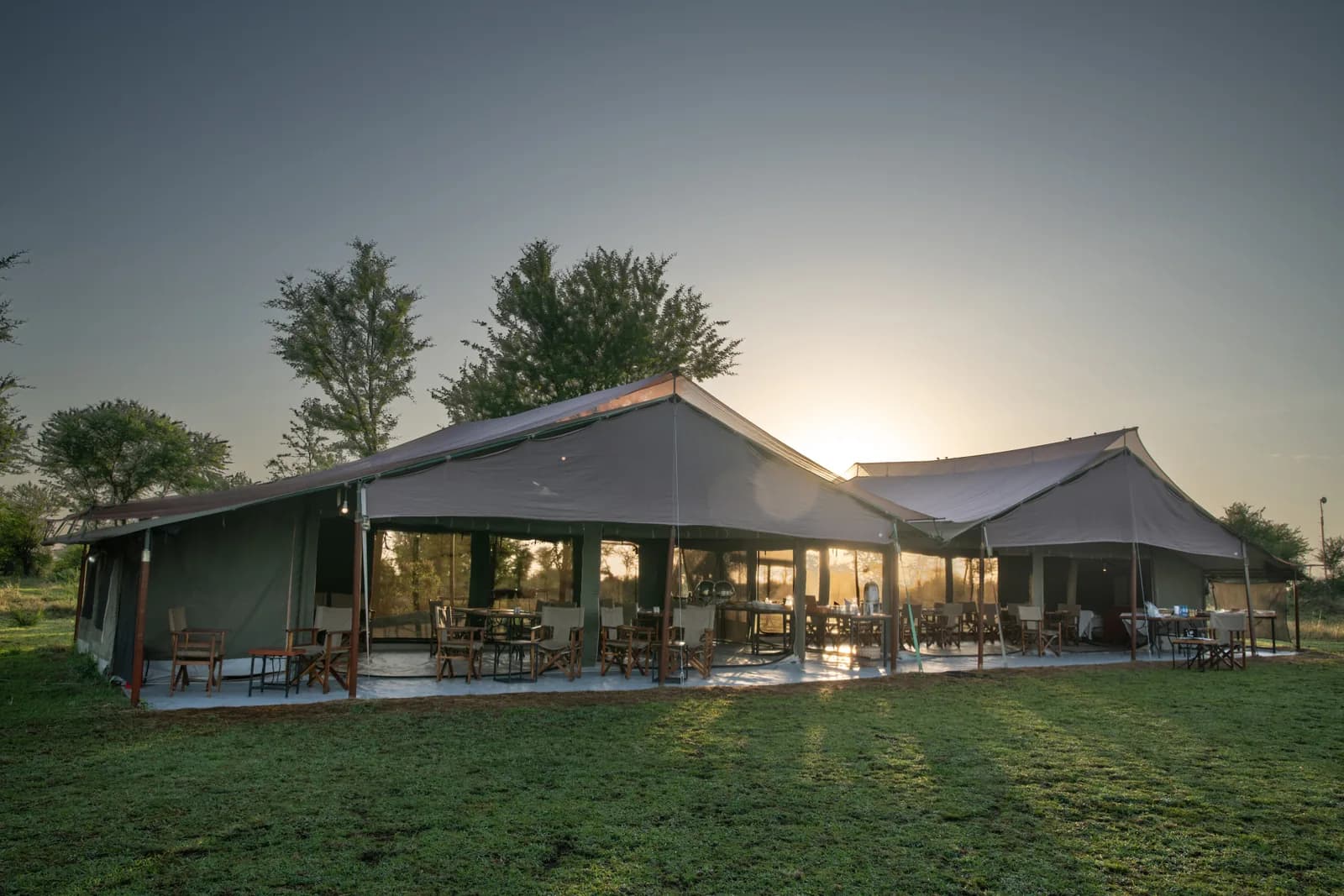
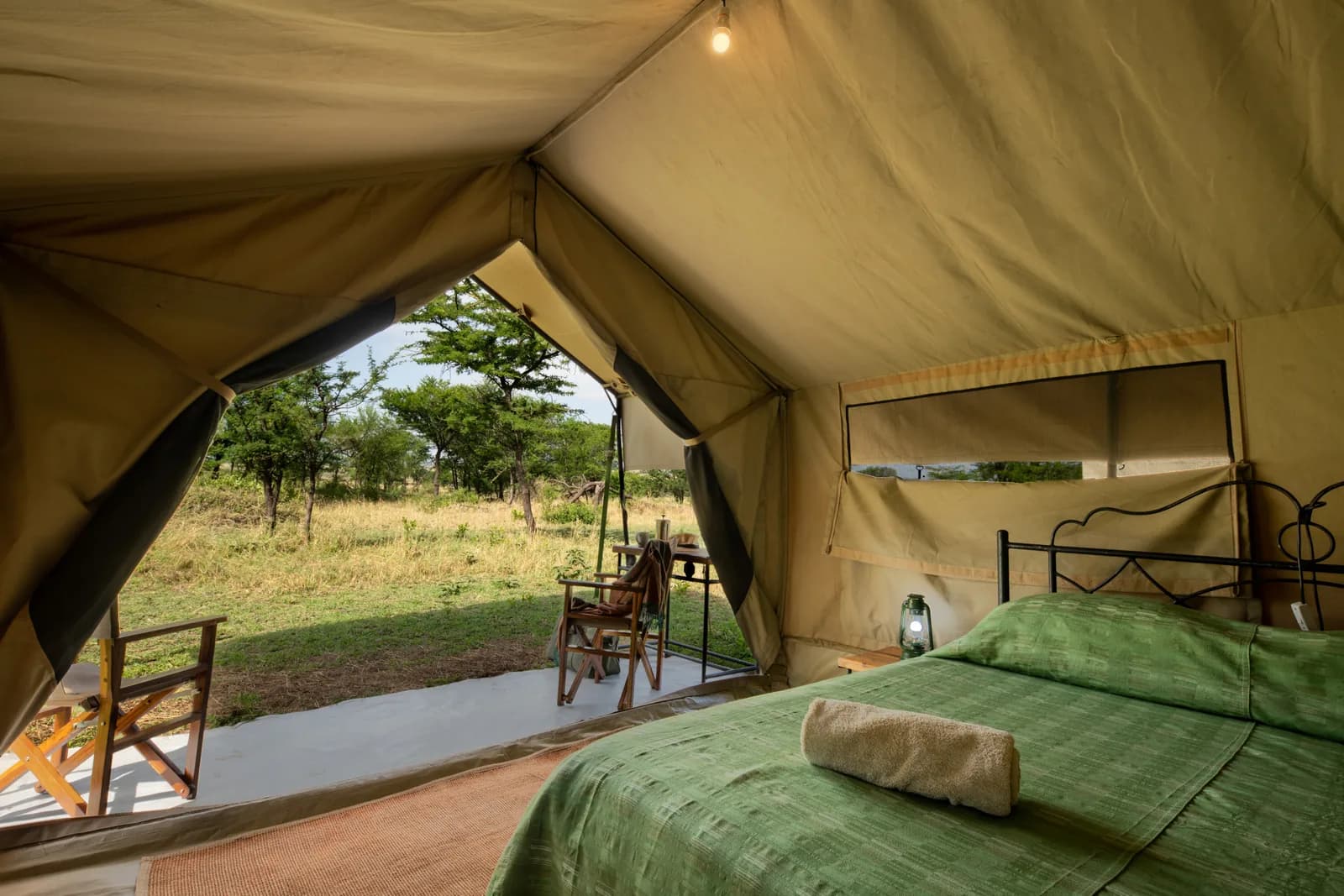
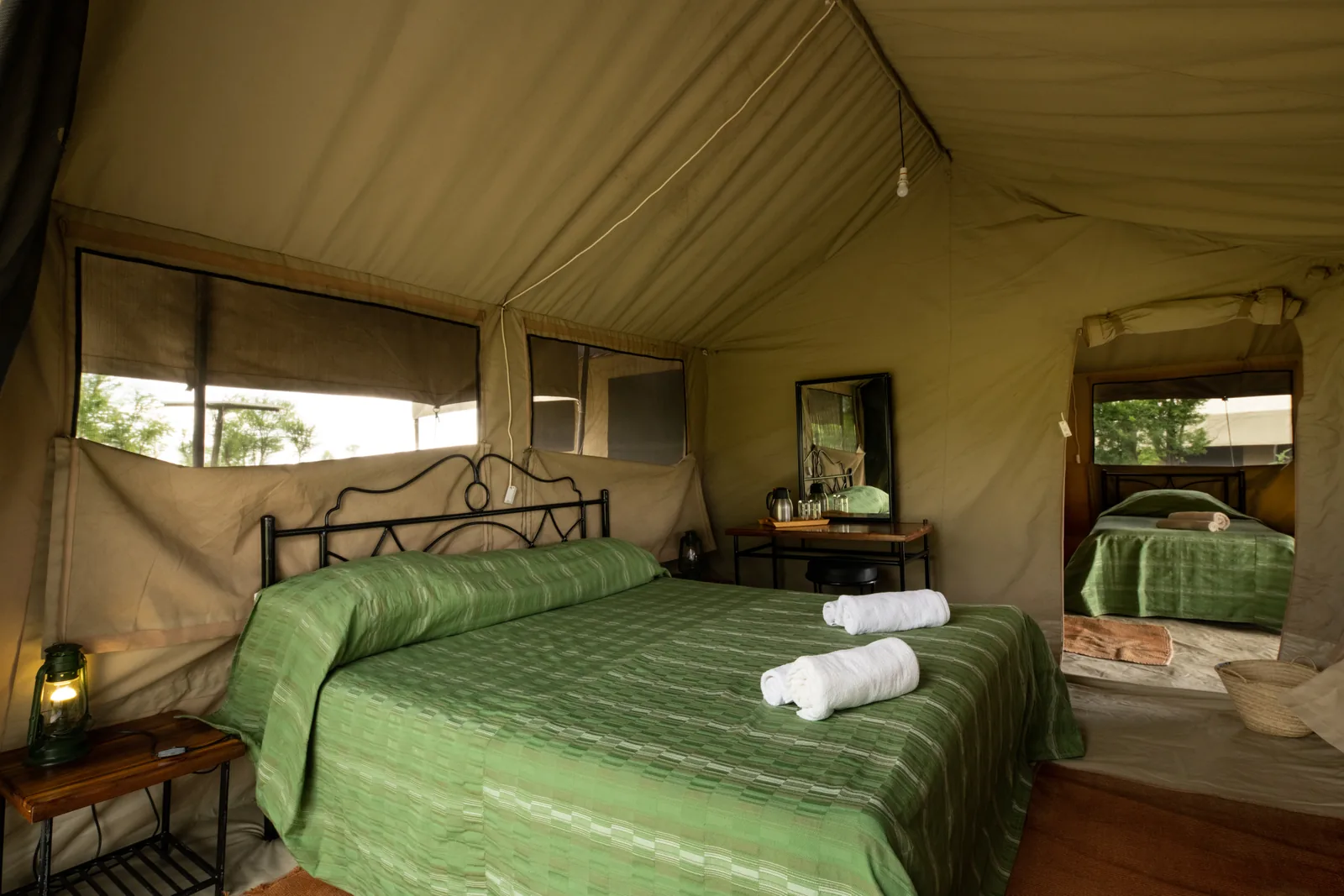
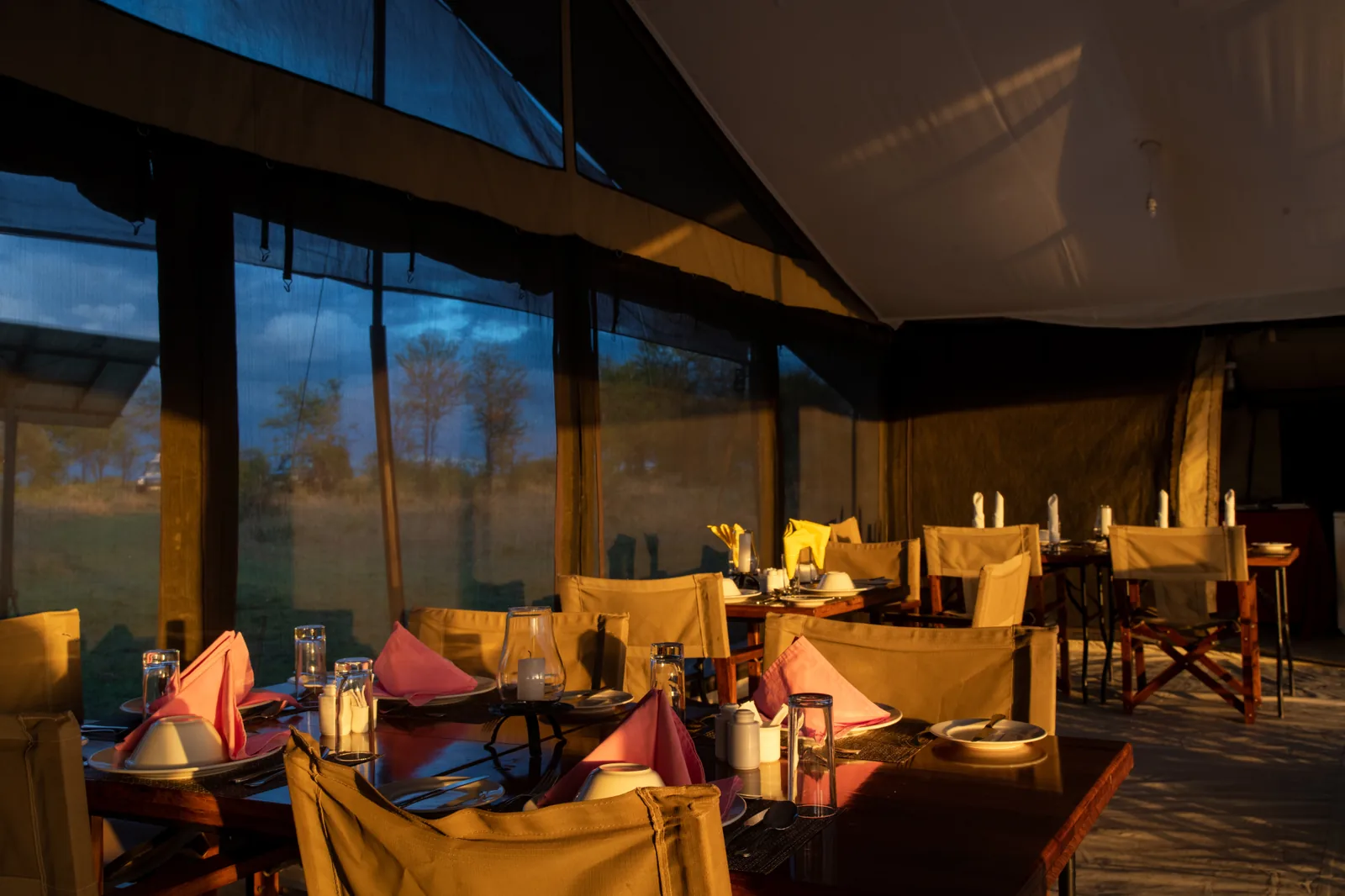
Photos: Tanganyika Wilderness Camps - Pamoja Serengeti CampCentral SerengetiMid-range
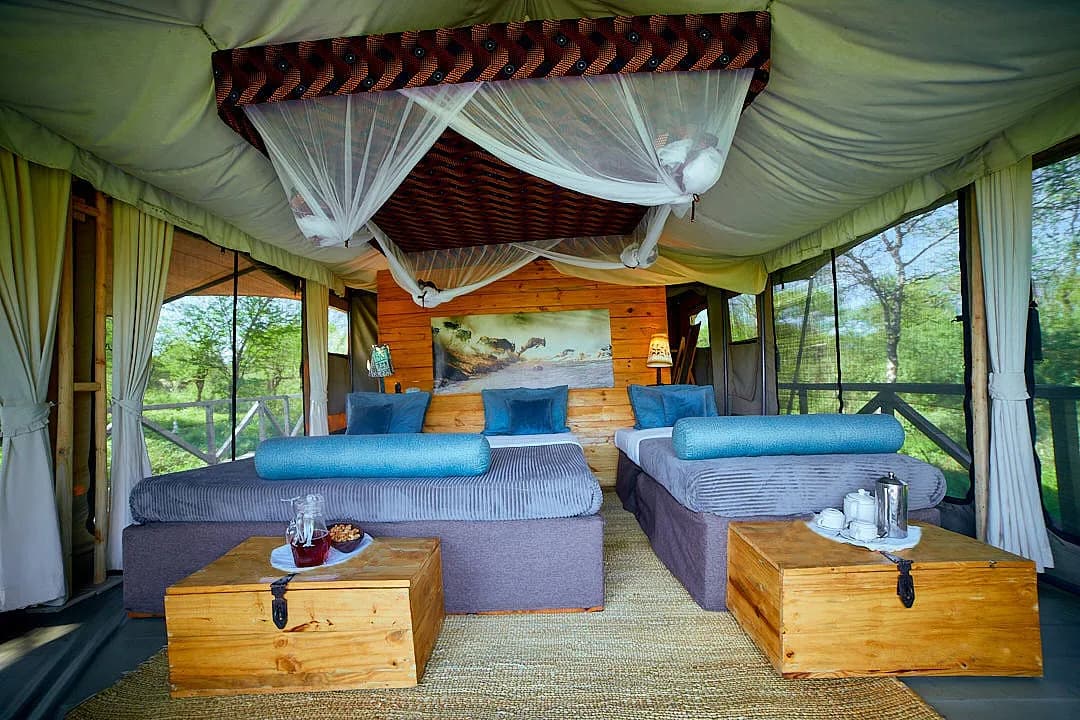
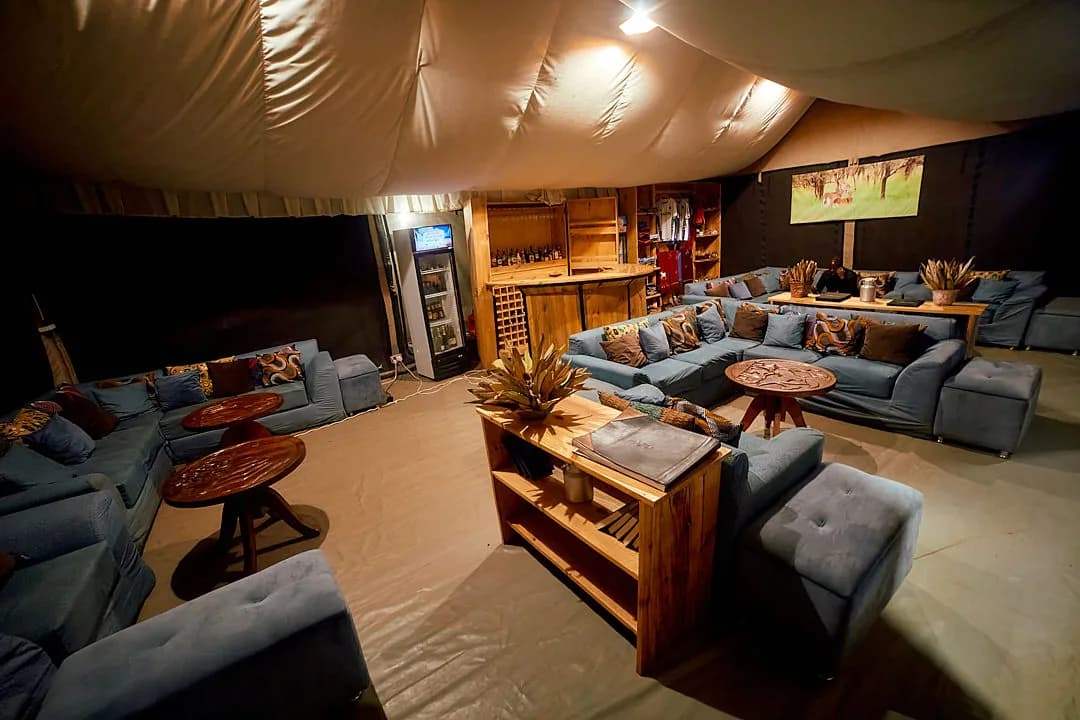
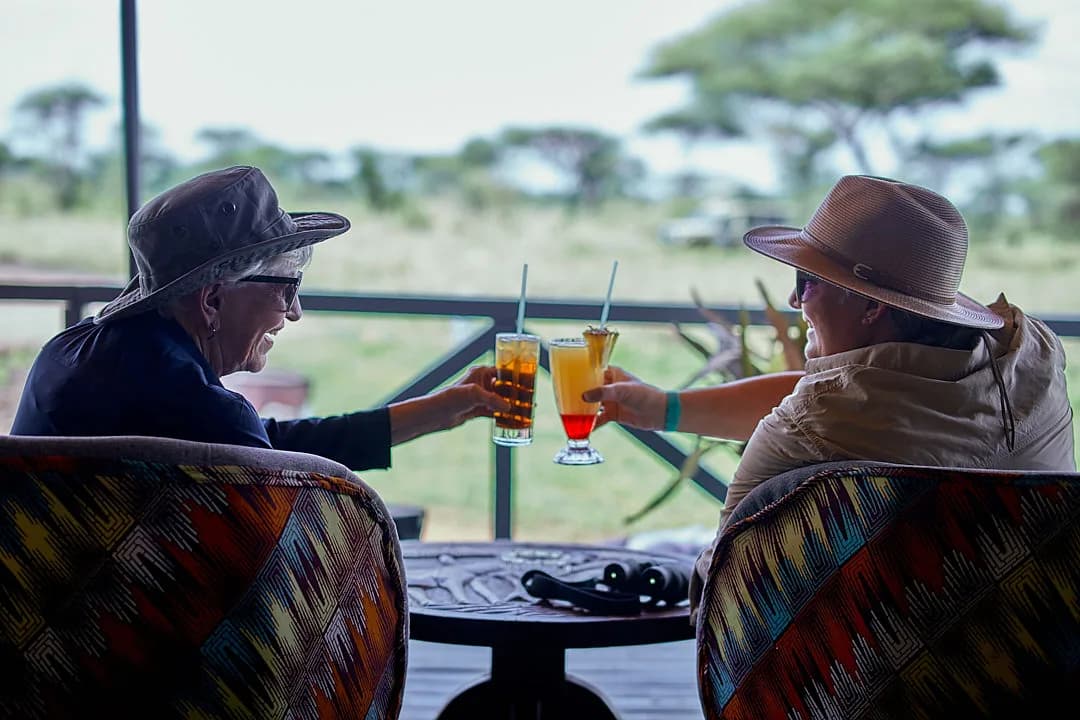
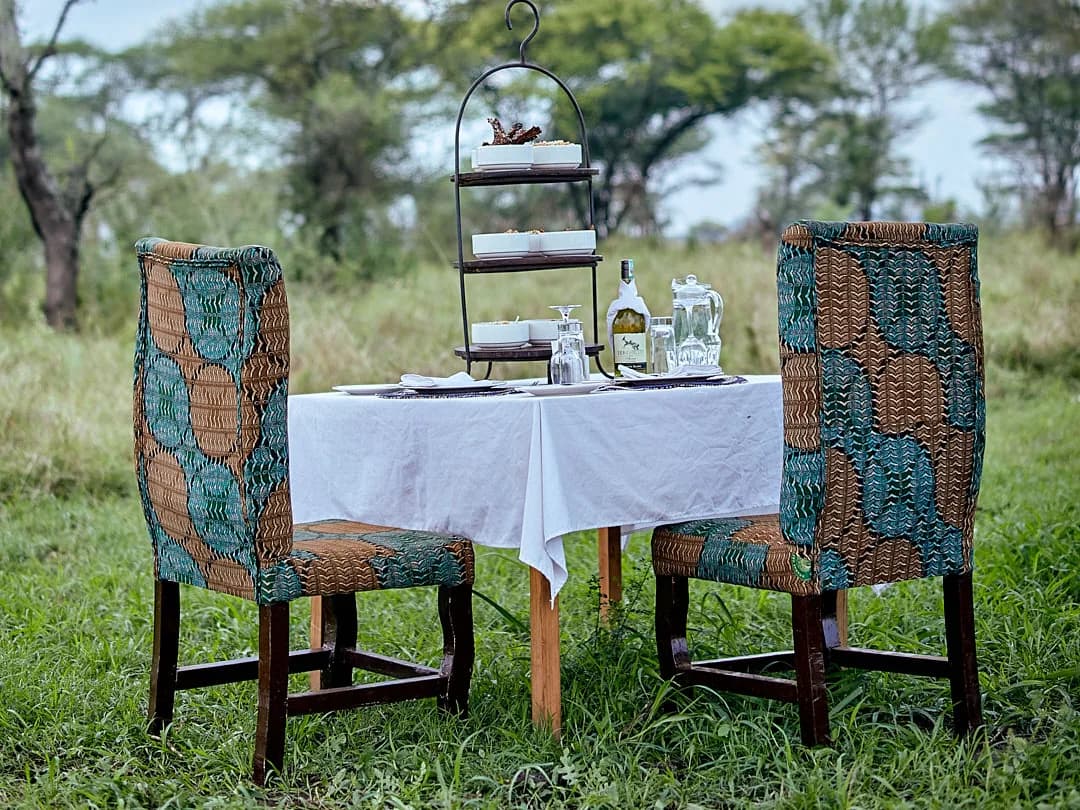
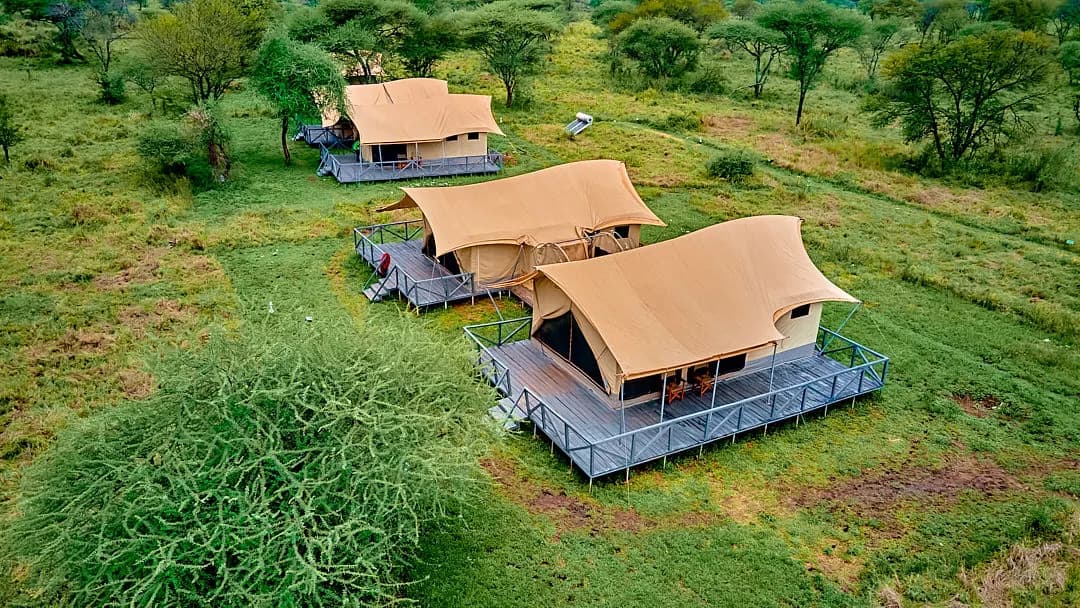
Photos: Pamoja Africa - Mara Kati KatiNorth Serengeti · Jun–NovPhotos coming soonComfort
- Under CanvasNorth Serengeti · Jun–Nov; Ndutu · Dec–AprPremium
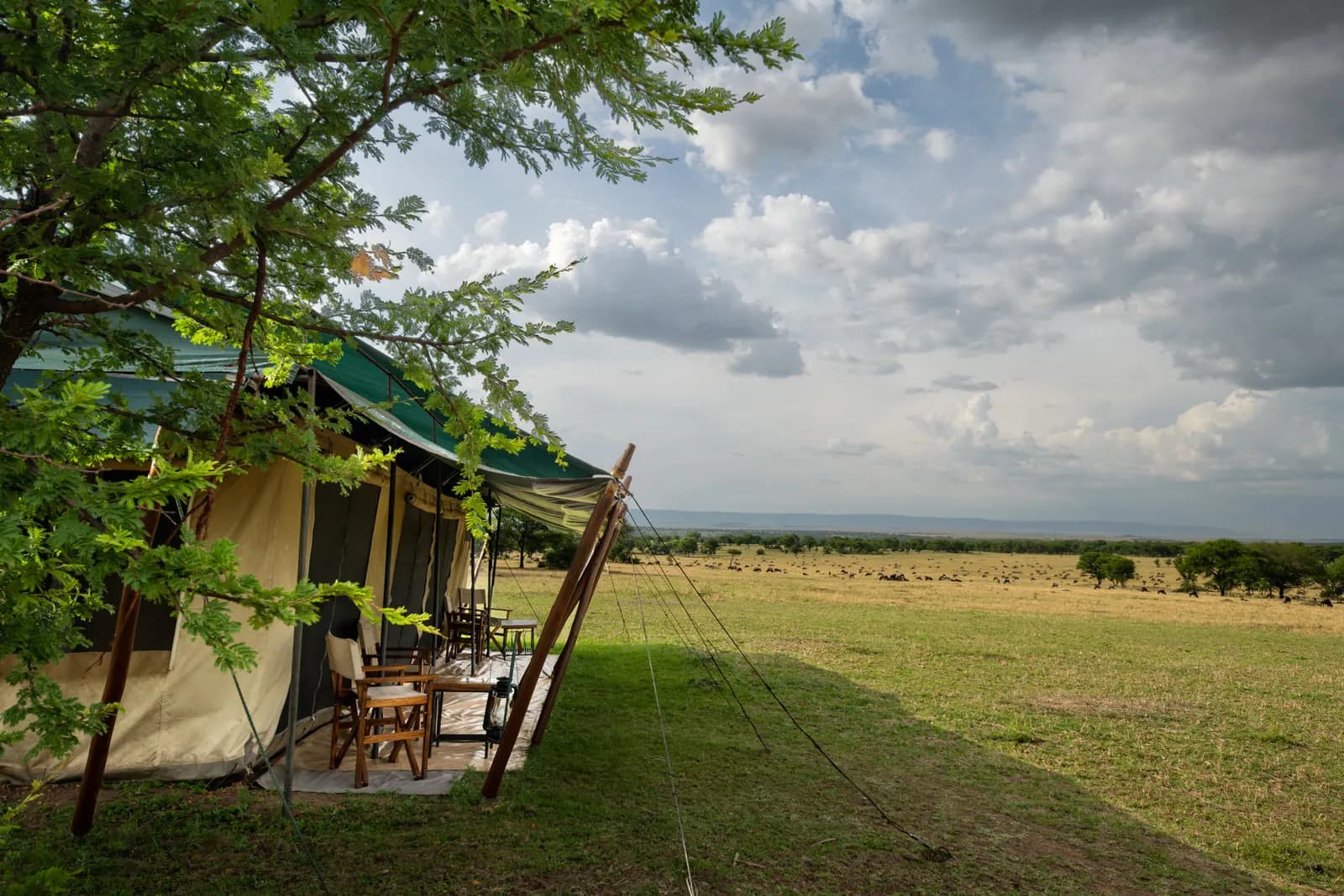
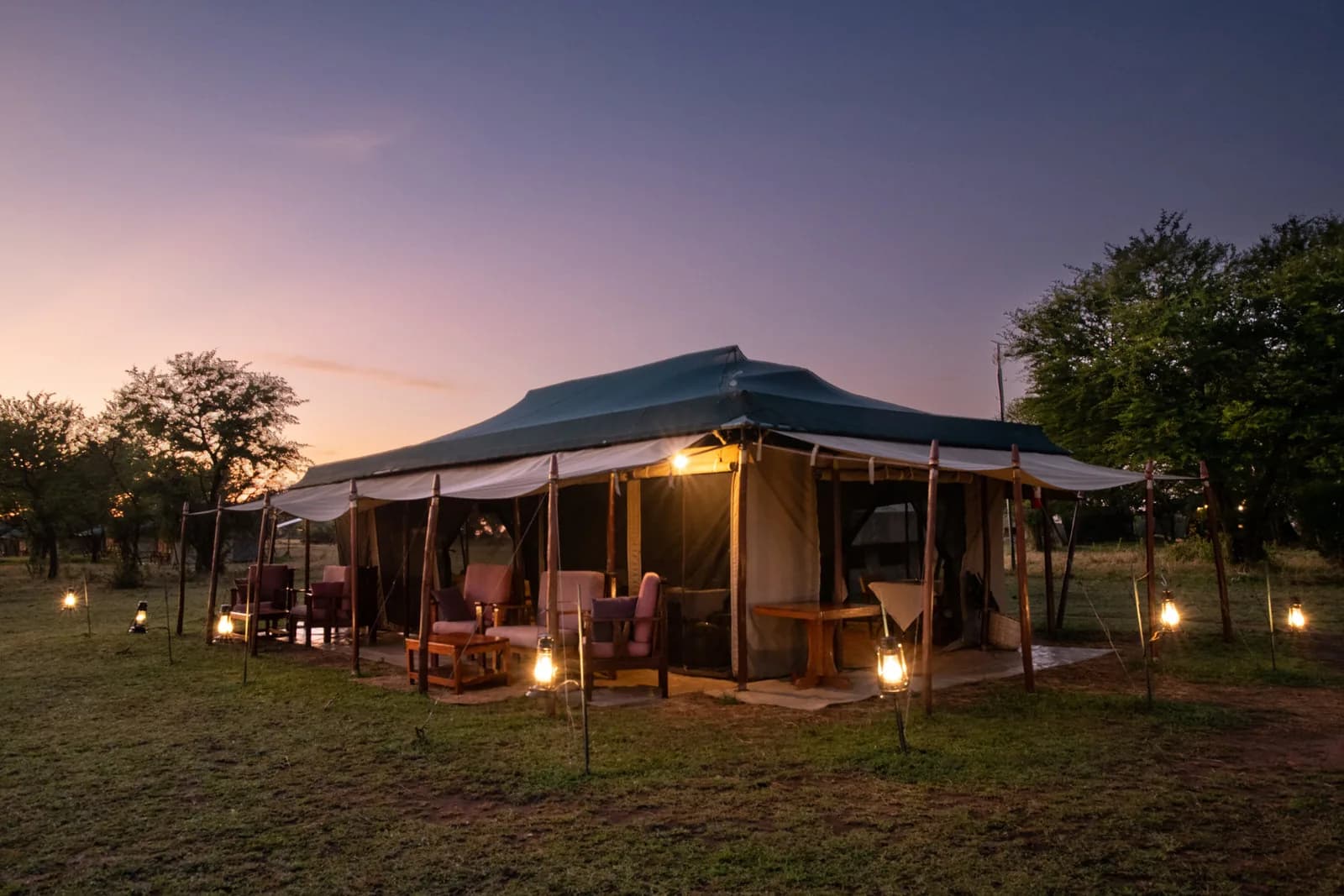
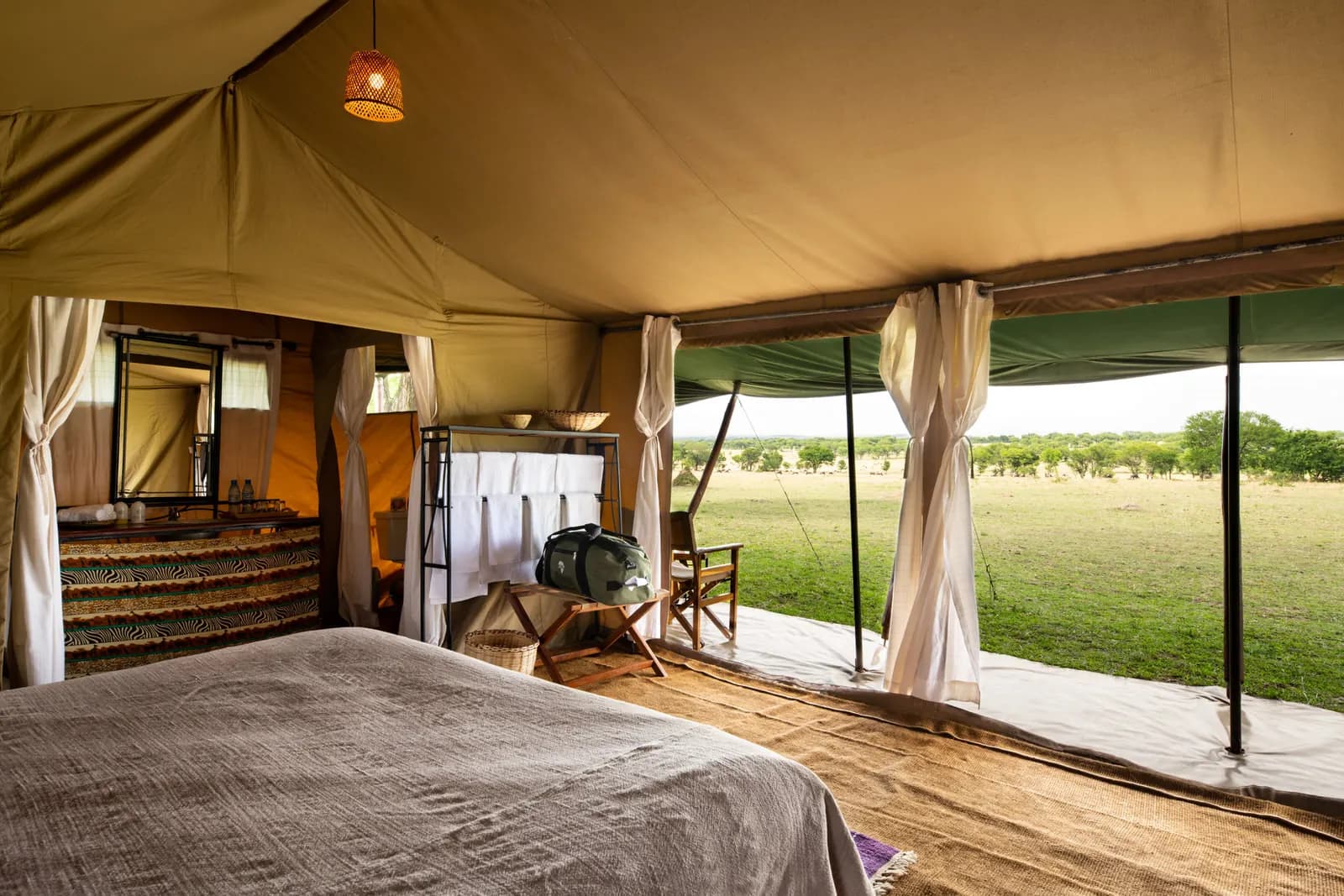
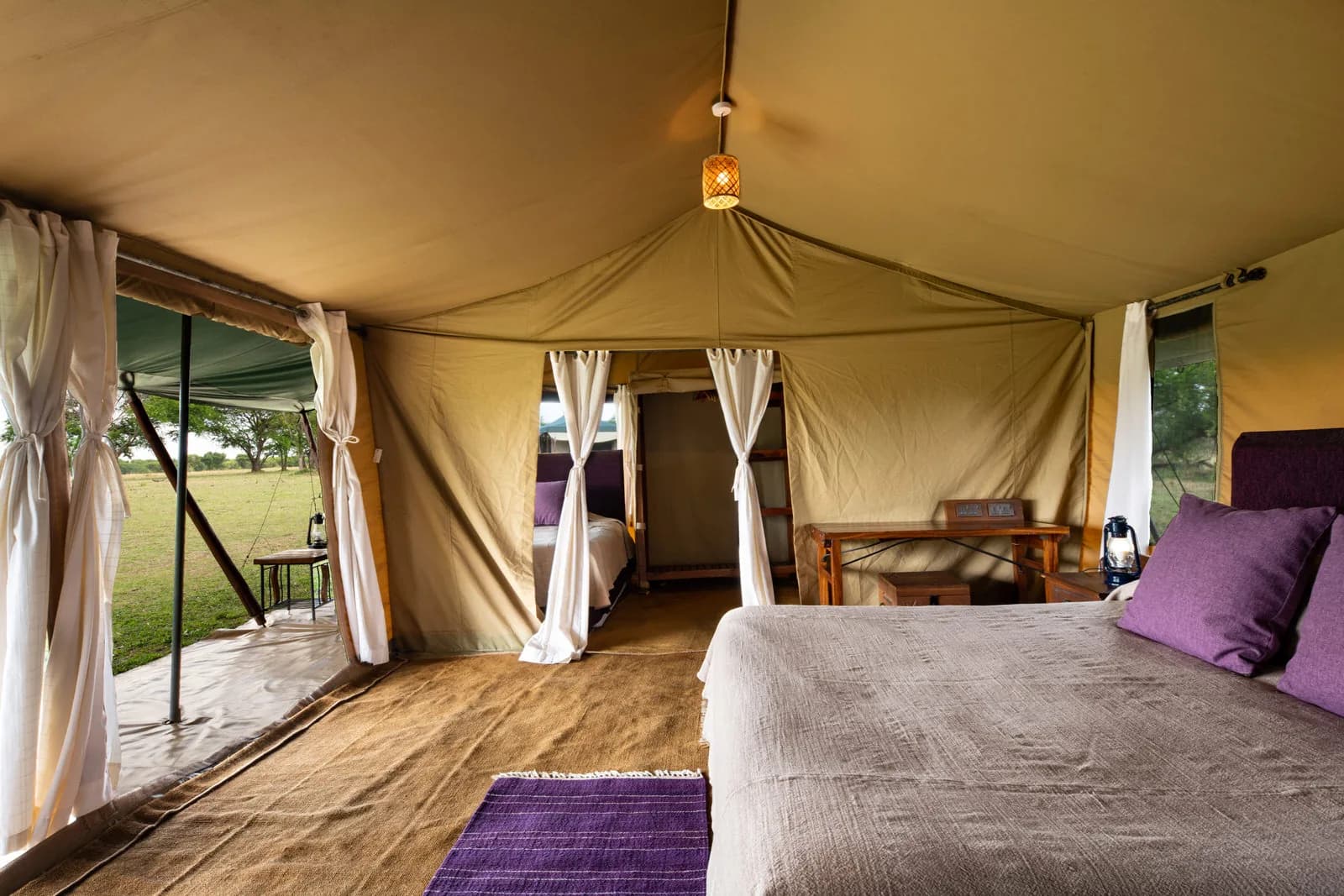
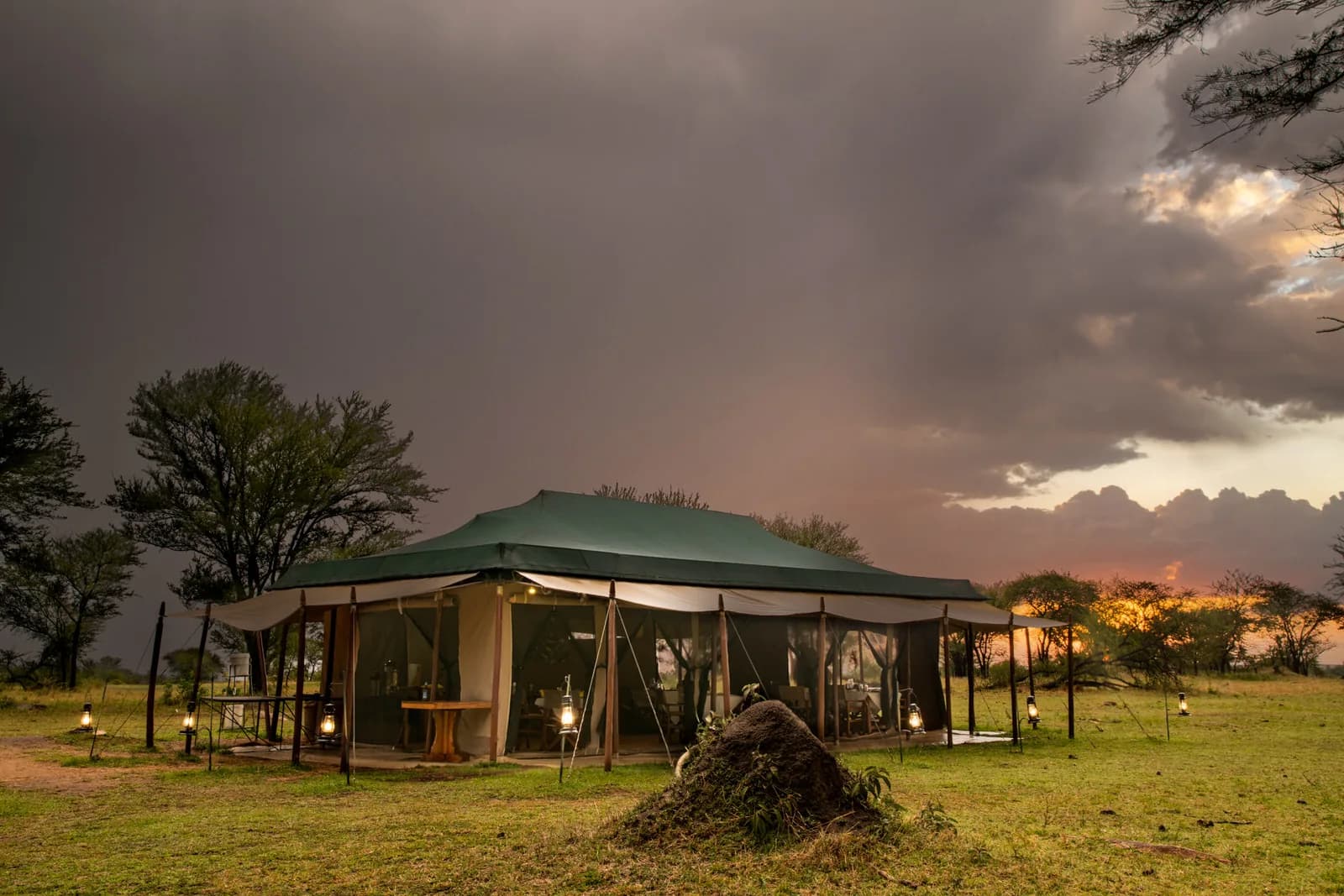
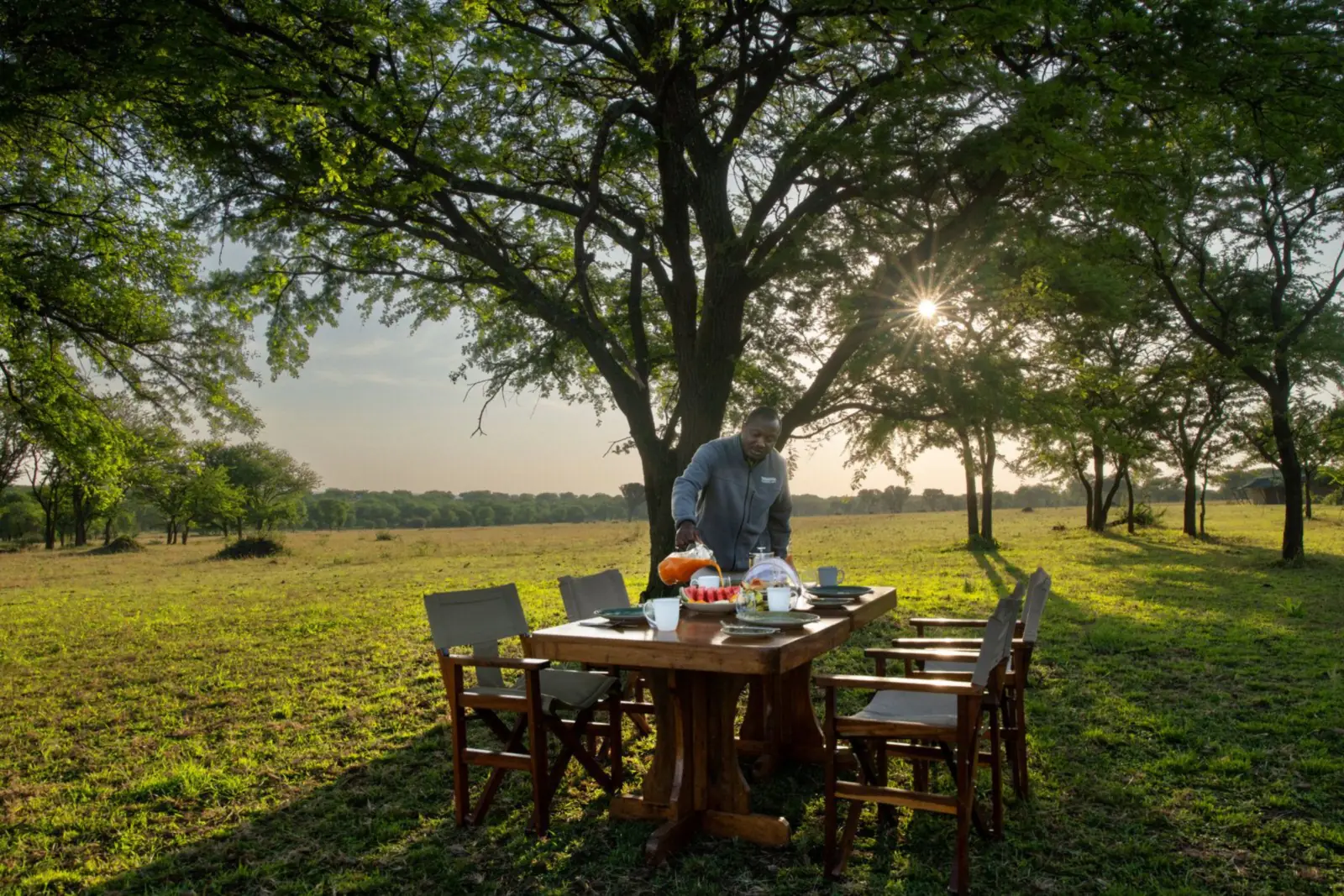
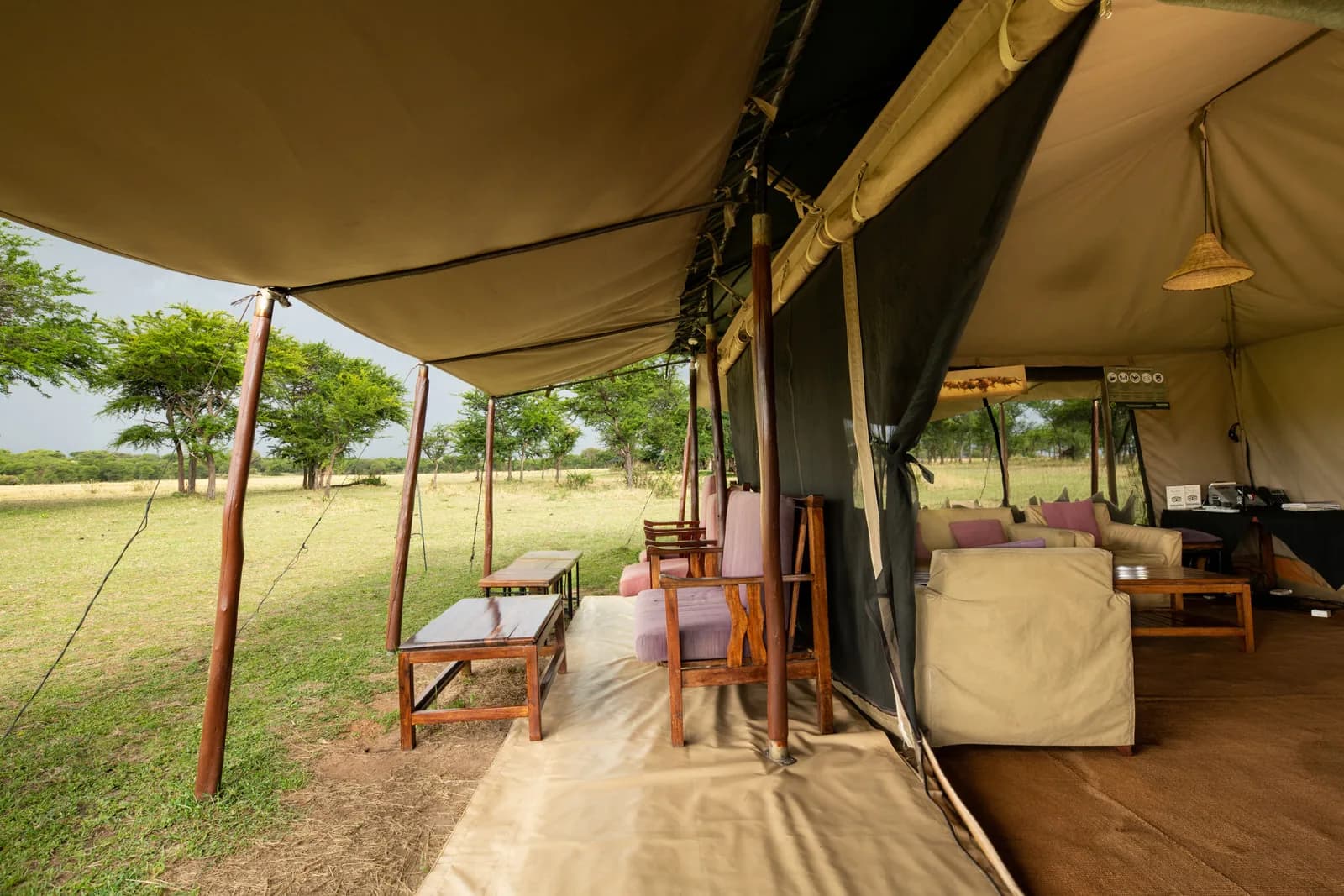
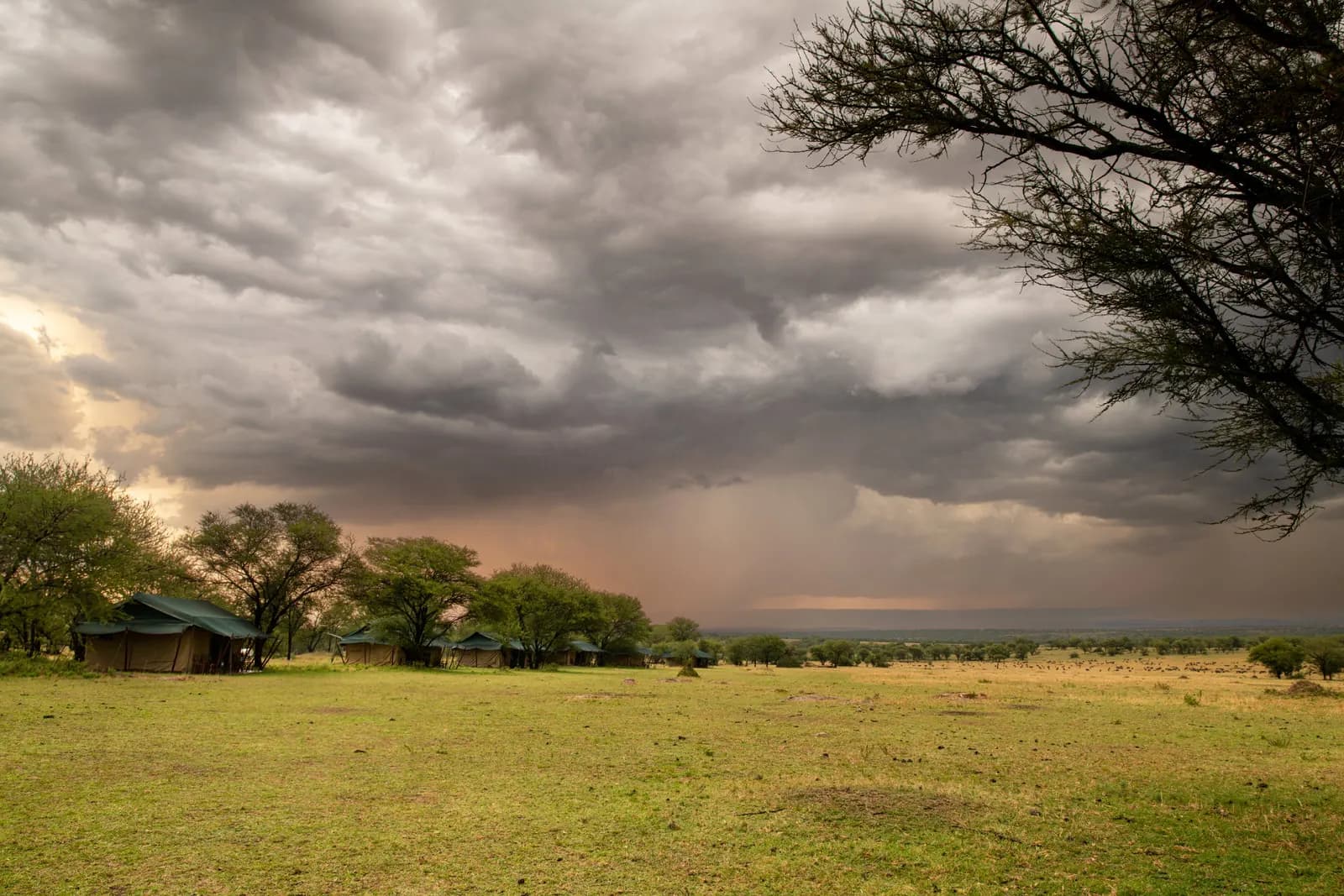
Photos: Tanganyika Wilderness Camps Under Canvas
- Area
- North Serengeti · Jun–Nov; Ndutu · Dec–Apr
- Level
- Premium
- Meal plan
- Full board
- Pamoja Migration CampNorth Serengeti · Jun–Oct; Ndutu · Dec–AprMid-range
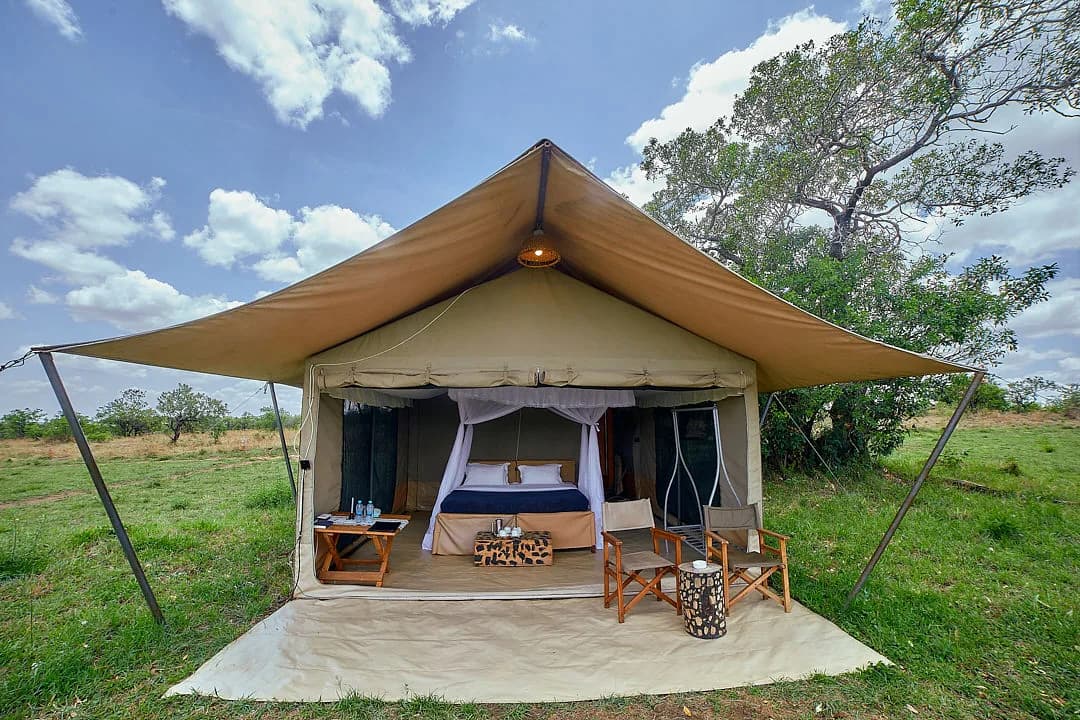
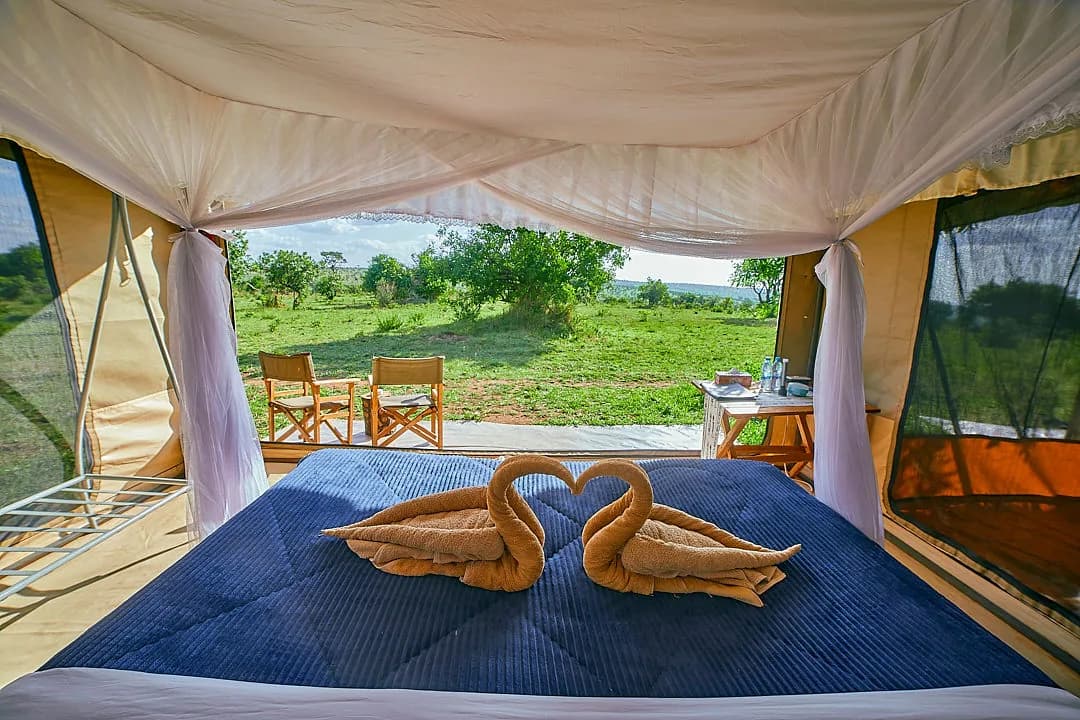
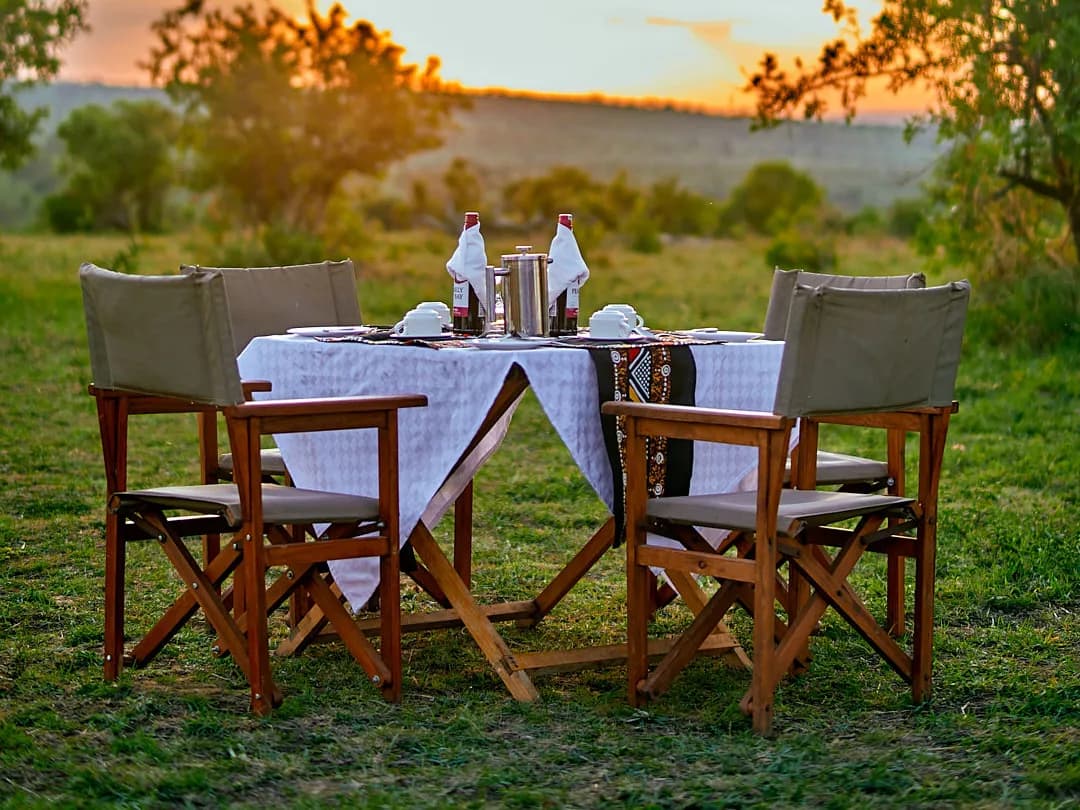
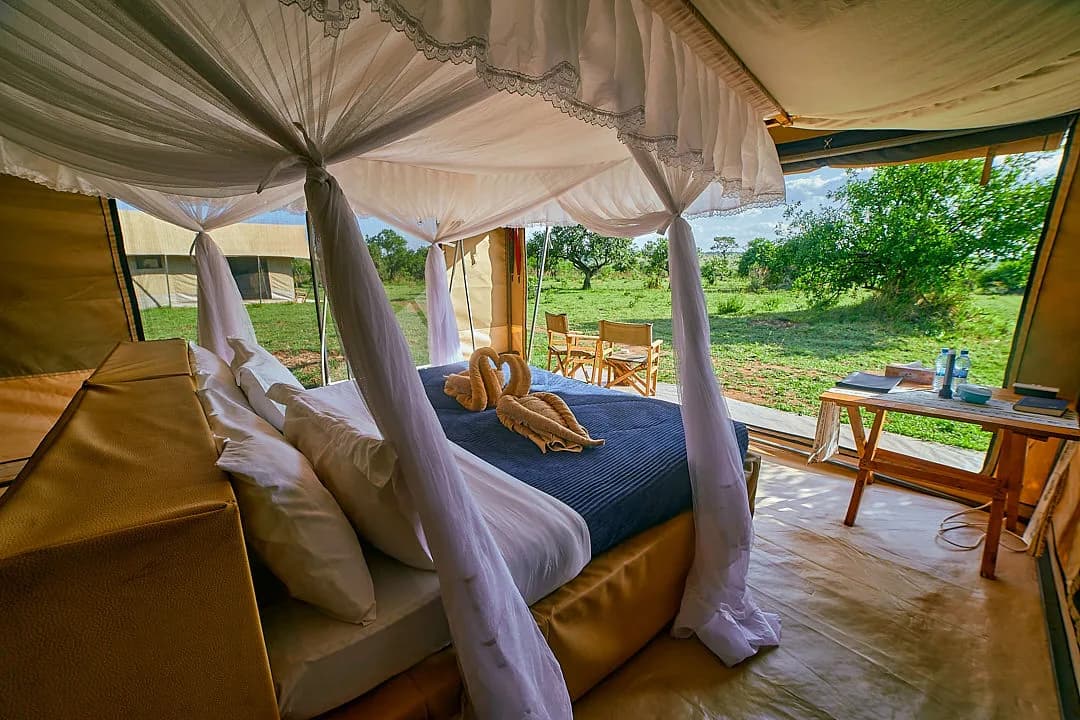
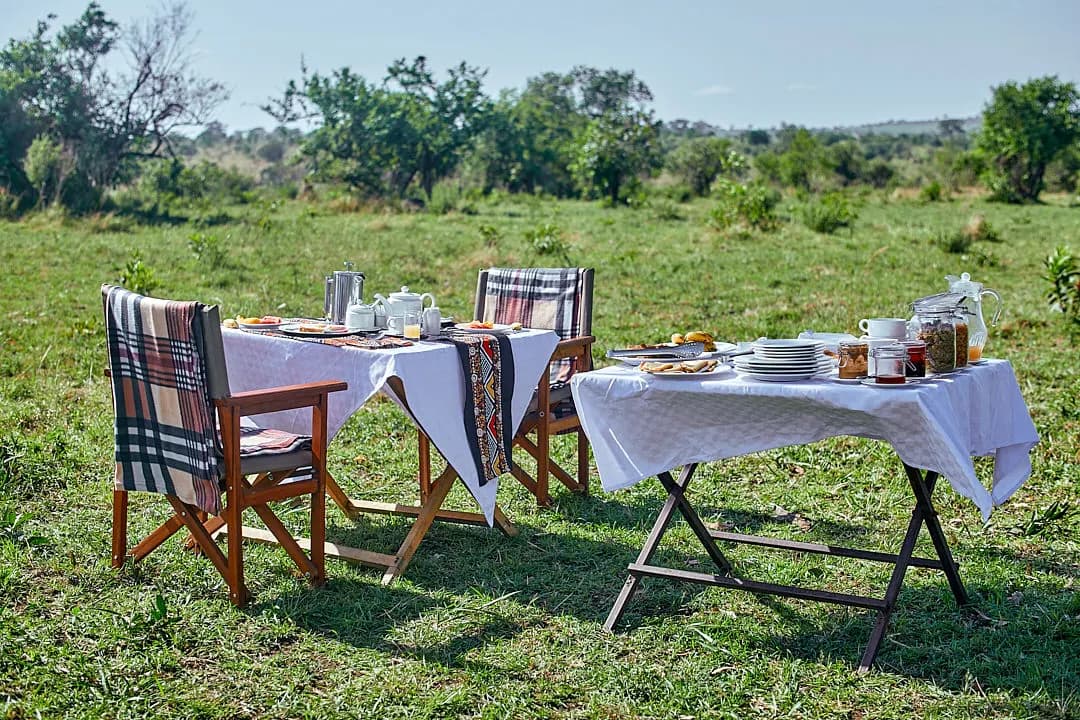
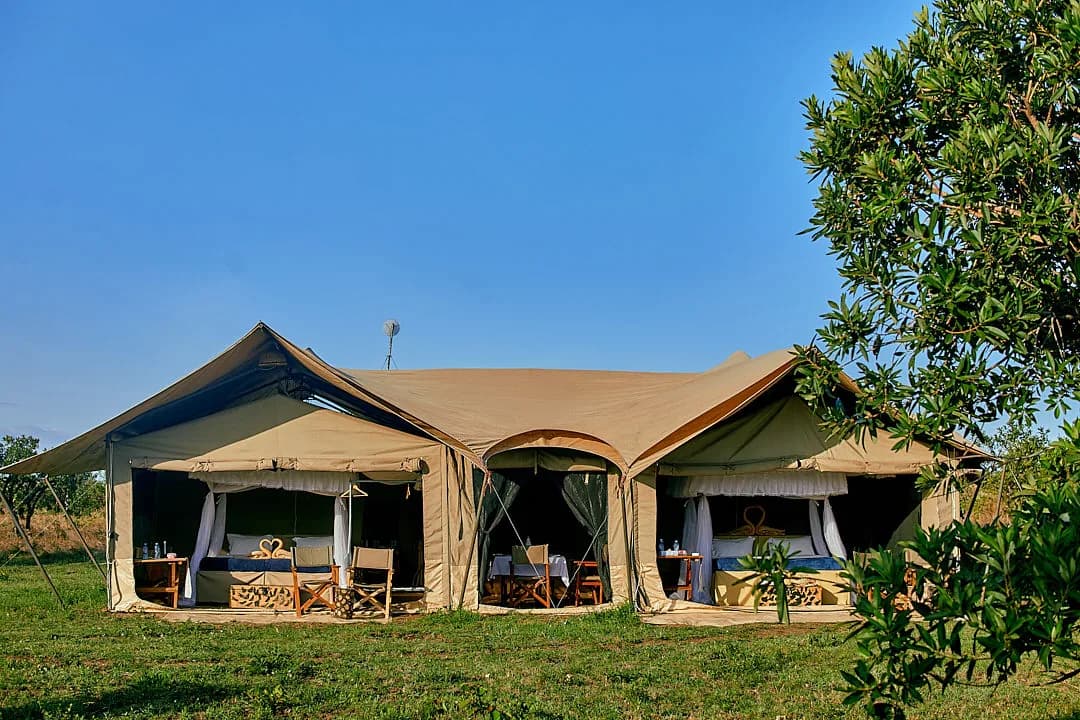
Photos: Pamoja Africa Pamoja Migration Camp
- Area
- North Serengeti · Jun–Oct; Ndutu · Dec–Apr
- Level
- Mid-range
- Meal plan
- Full board
- Pamoja Migration Undercanvas CampNorth Serengeti · Jun–Oct; Ndutu · Dec–AprMid-range
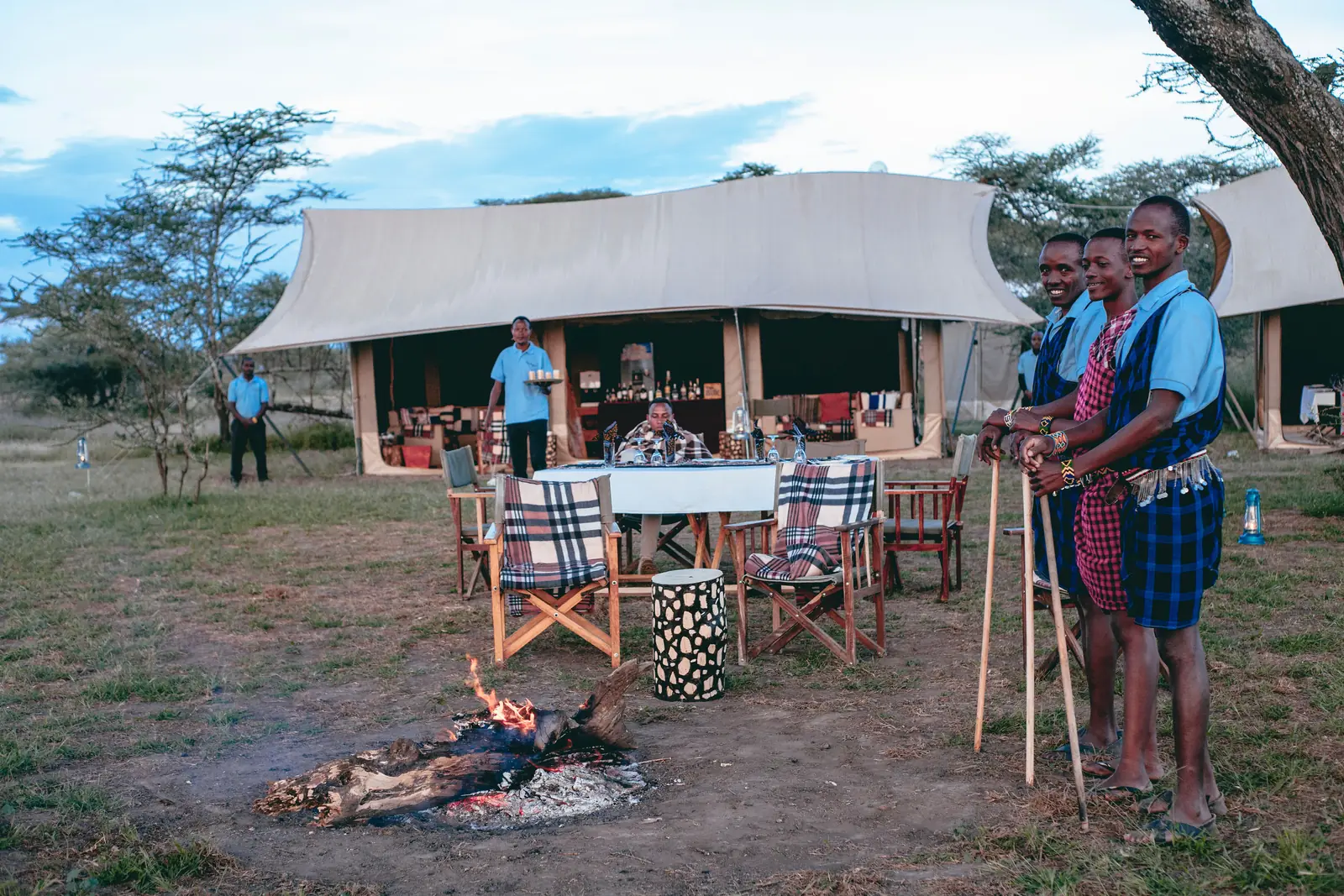
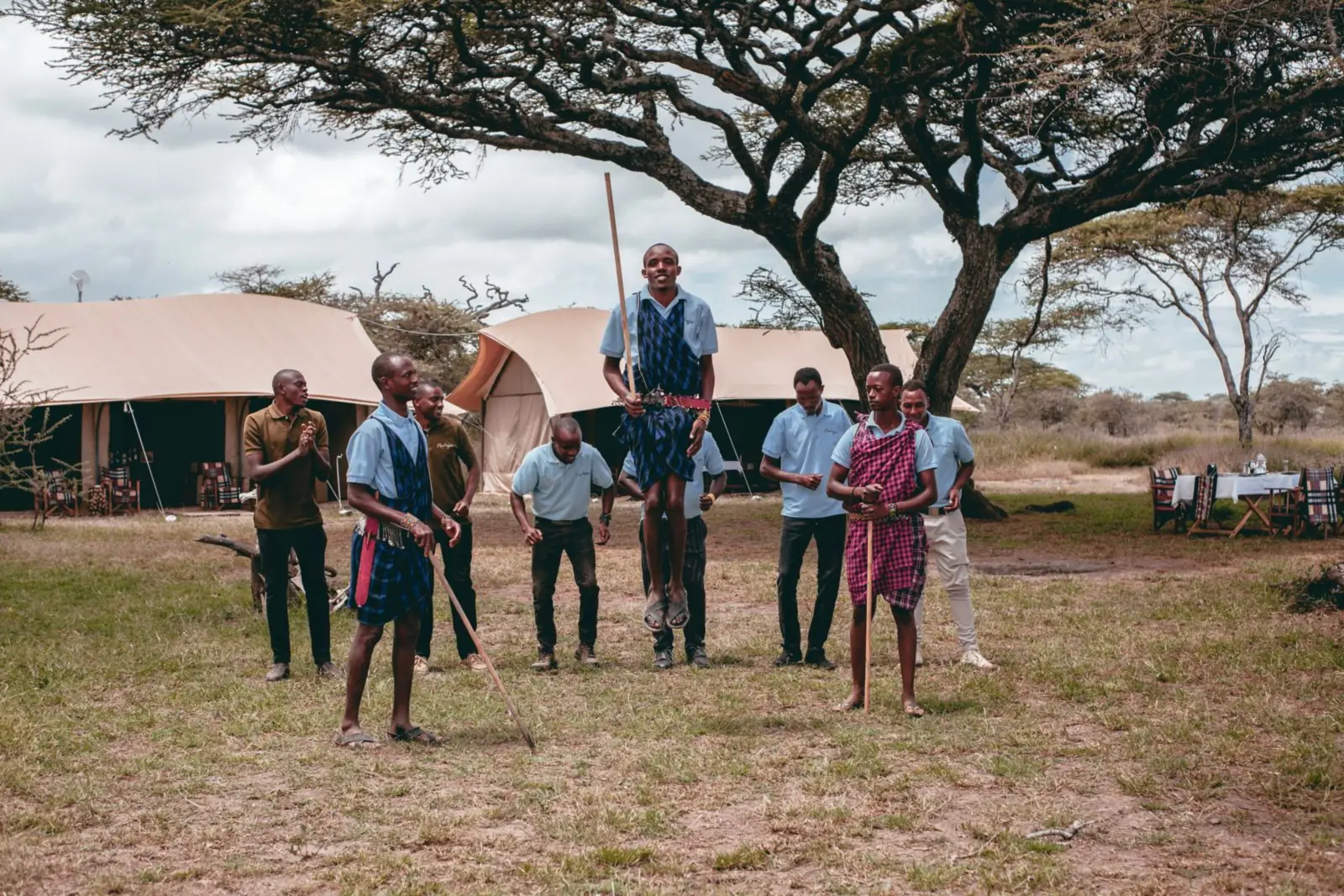
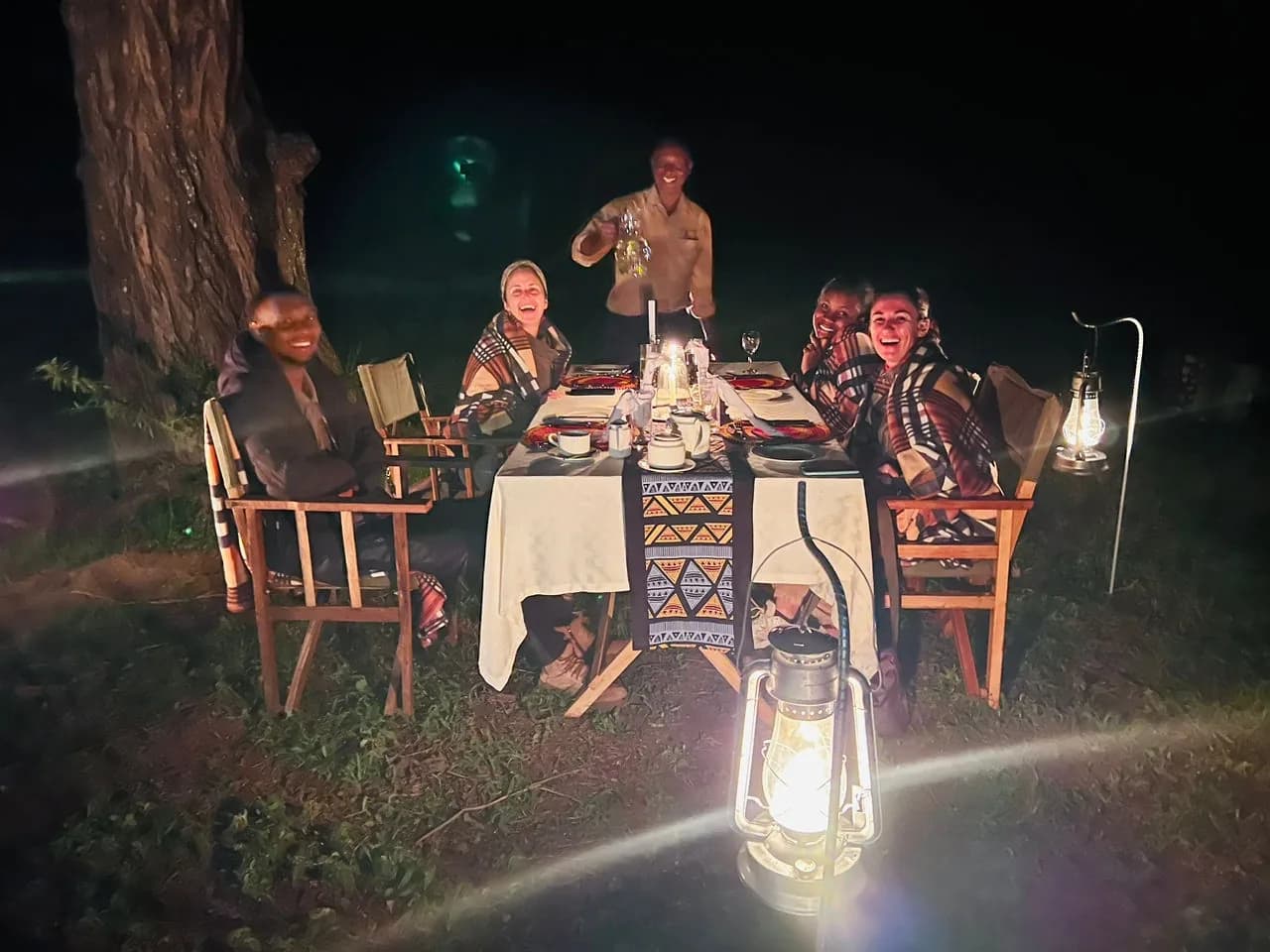
Photos: Pamoja Africa Pamoja Migration Undercanvas Camp
- Area
- North Serengeti · Jun–Oct; Ndutu · Dec–Apr
- Level
- Mid-range
- Meal plan
- Full board
- TAASA Migration CampNorth Serengeti · Jul–Oct; Ndutu · Dec–MarPhotos coming soonPremium
TAASA Migration Camp
- Area
- North Serengeti · Jul–Oct; Ndutu · Dec–Mar
- Level
- Premium
- Meal plan
- Full board
- Ndutu Kati KatiNdutu · Dec–AprPhotos coming soonComfort
Examples we book, not a fixed list. Which one suits your journey depends on your dates, route and availability, and we quote every stay in your personal price.
What a mobile camp actually is
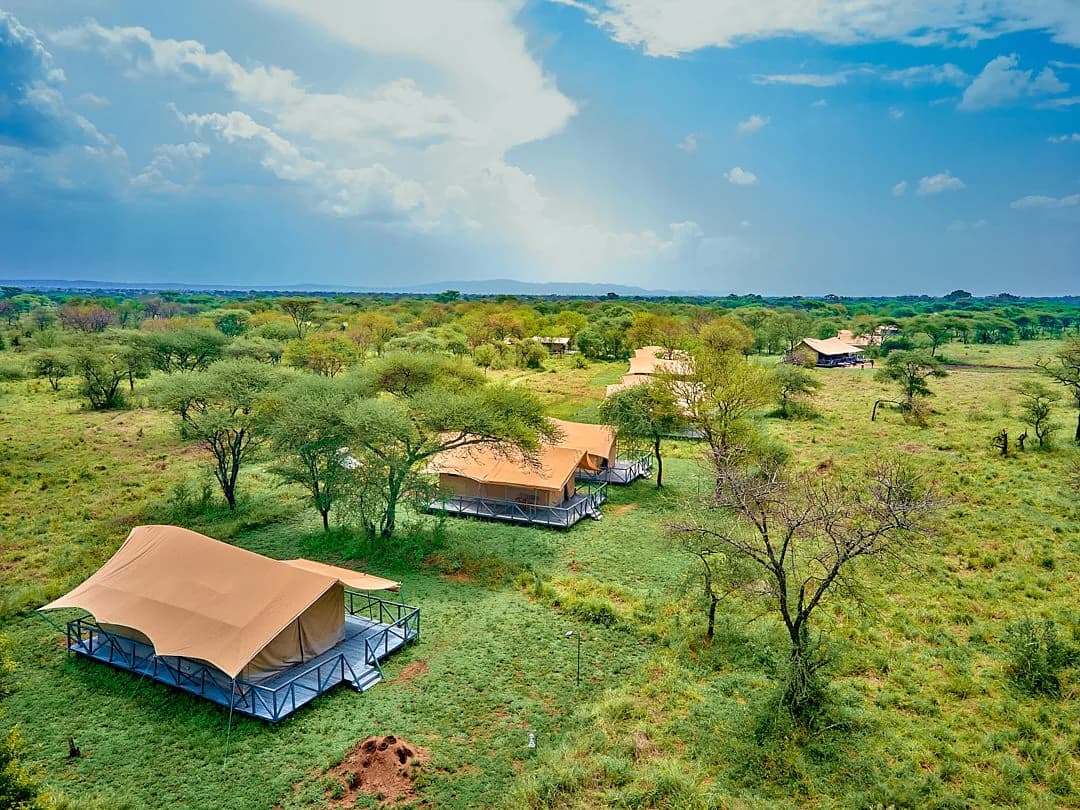
A small camp of canvas tents that is taken down and rebuilt somewhere else as the season changes. In the Serengeti that usually means the southern plains for calving early in the year, the centre or west as the herds move, and the north for the river crossings from around July.
Because it moves, it can sit where the animals are this season rather than where a building happened to go up twenty years ago. That is the whole point of it. On the right dates, a mobile camp is often the best-positioned bed in the park, at any price.
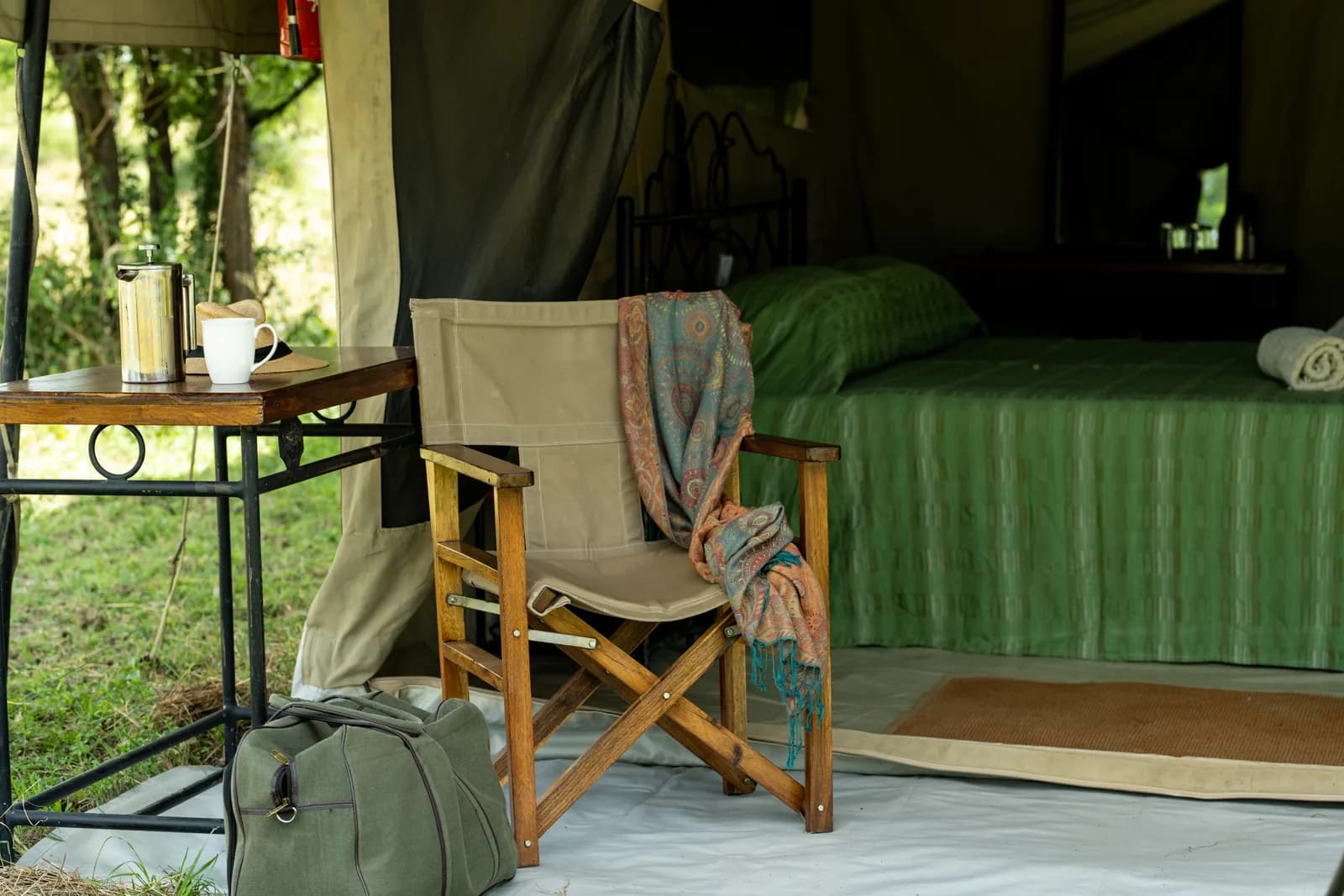
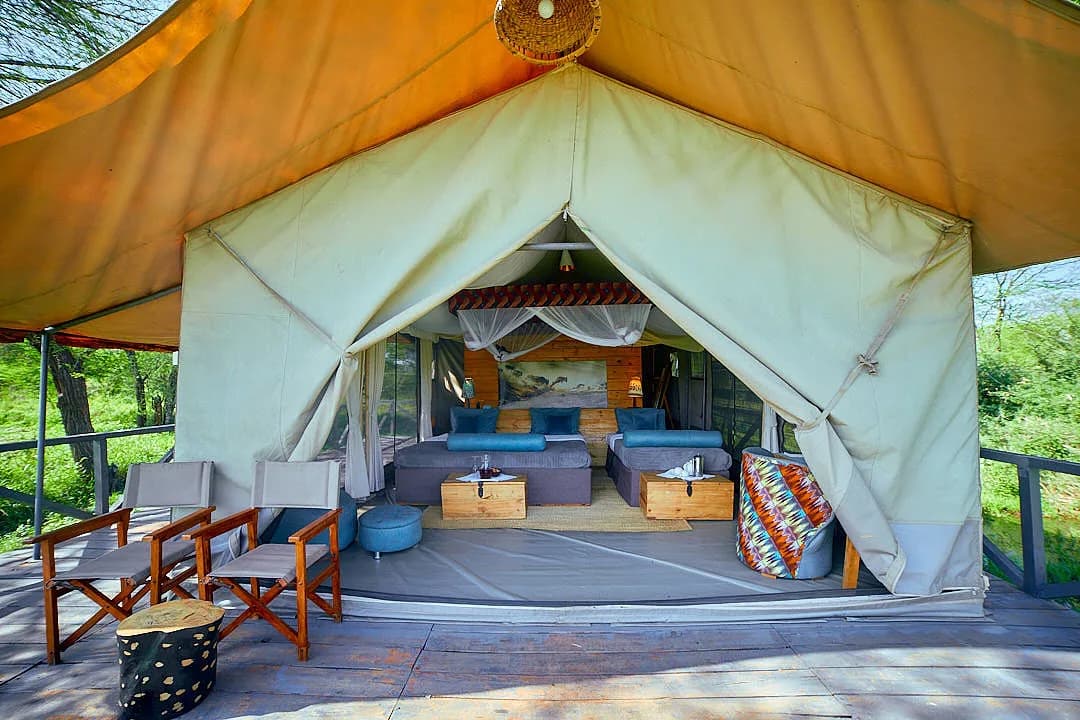
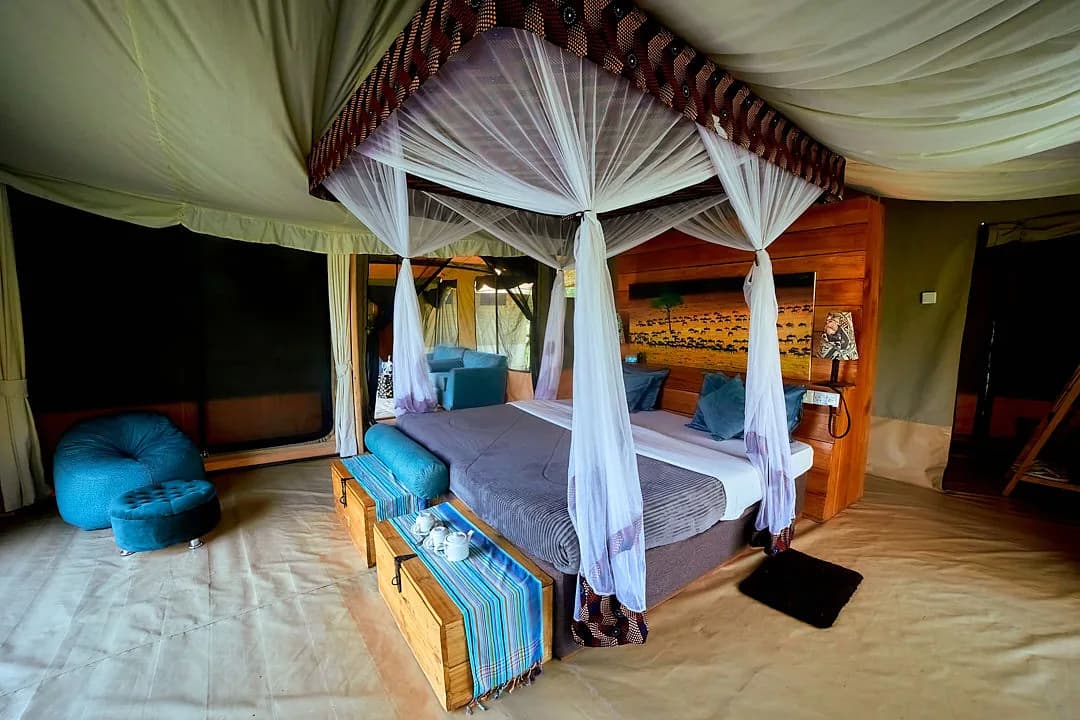
The tents are proper rooms, with a real bed, an en-suite bathroom at the back and a veranda at the front, but they are still canvas. You hear everything, and that is much of the appeal.
What you get
- Position: pitched close to the migration for the season, so the first hour of the morning is spent watching animals, not driving to them.
- Size: six to twelve guests, so dinner is one table or a few, and nobody is queuing for anything.
- Atmosphere: canvas walls, a fire at night, lions and hyenas audible from bed. It feels like the bush because it is in it.
- Flexibility: small camps can move a meal or a drive around what the animals are doing that day.
- Low footprint: nothing permanent is built, and the site is cleared when the camp moves on.
What you give up for it
Facilities are simpler, and we would rather you knew that before you arrive. Showers are bucket or safari showers: a set amount of hot water, filled by staff when you ask for it. Power is solar, charging is limited and often only in the main tent, and after a run of cloudy days it can be rationed. Do not count on wifi.
There is no pool, no gym, no spa and usually no choice of restaurant. Meals are good and generous, but they come from a bush kitchen and the menu is the menu.
Staying in an unfenced camp
Mobile camps are not fenced. Animals walk through, sometimes between the tents, sometimes all night. That is normal, and the rules that keep it safe are simple: once it is dark, you do not walk anywhere alone. A staff member escorts you between your tent and the main area, every time, and you call them from the tent with a radio or whistle.
Most travellers find this the most memorable part of the stay. A few find it keeps them awake. If you are unsure which you are, one or two nights in a mobile camp inside a longer trip is a good way to find out.
Where it's worth it, and where it isn't
Worth it: the migration, above all. For calving on the southern plains or the crossings in the north, a mobile camp in the right sector can save hours of driving a day, and those hours are the trip. Also for travellers who want atmosphere over amenities, and for anyone who has done a lodge safari and wants the next step closer in.
Not ideal: families with young children, since the camps are unfenced and many set minimum ages. Anyone who needs reliable power every night for medical equipment such as a CPAP machine. And anyone who will not enjoy a bucket shower. There is no shame in that, and a permanent lodge will serve you better.
We often pair them: a mobile camp for the three or four migration nights, and something more solid either side.
Questions travellers actually ask
Usually not. The camps are unfenced, animals walk through at night, and many set a minimum age for that reason. With young children we would put you in a permanent lodge and bring you to the migration by day.
We would not recommend it. Power is solar, often only in the main tent, and it can run short after cloudy days. If a device has to work every night, a permanent lodge with mains or generator power is the safe choice. Tell us and we will plan around it.
A canvas bag or tank above the shower, filled by staff with heated water when you ask for it. It is hot and it works well; it is just a set amount, so it is a shower rather than a long soak.
It happens. The herds follow rain, not a calendar. A camp that moves gets closer than one that cannot, but no camp can promise the herds on your dates. We place you by the most recent reports, not last year's pattern, and tell you honestly how sure we are.
The other ways to sleep in the bush, and the event these camps are built around.