Permanent Lodges
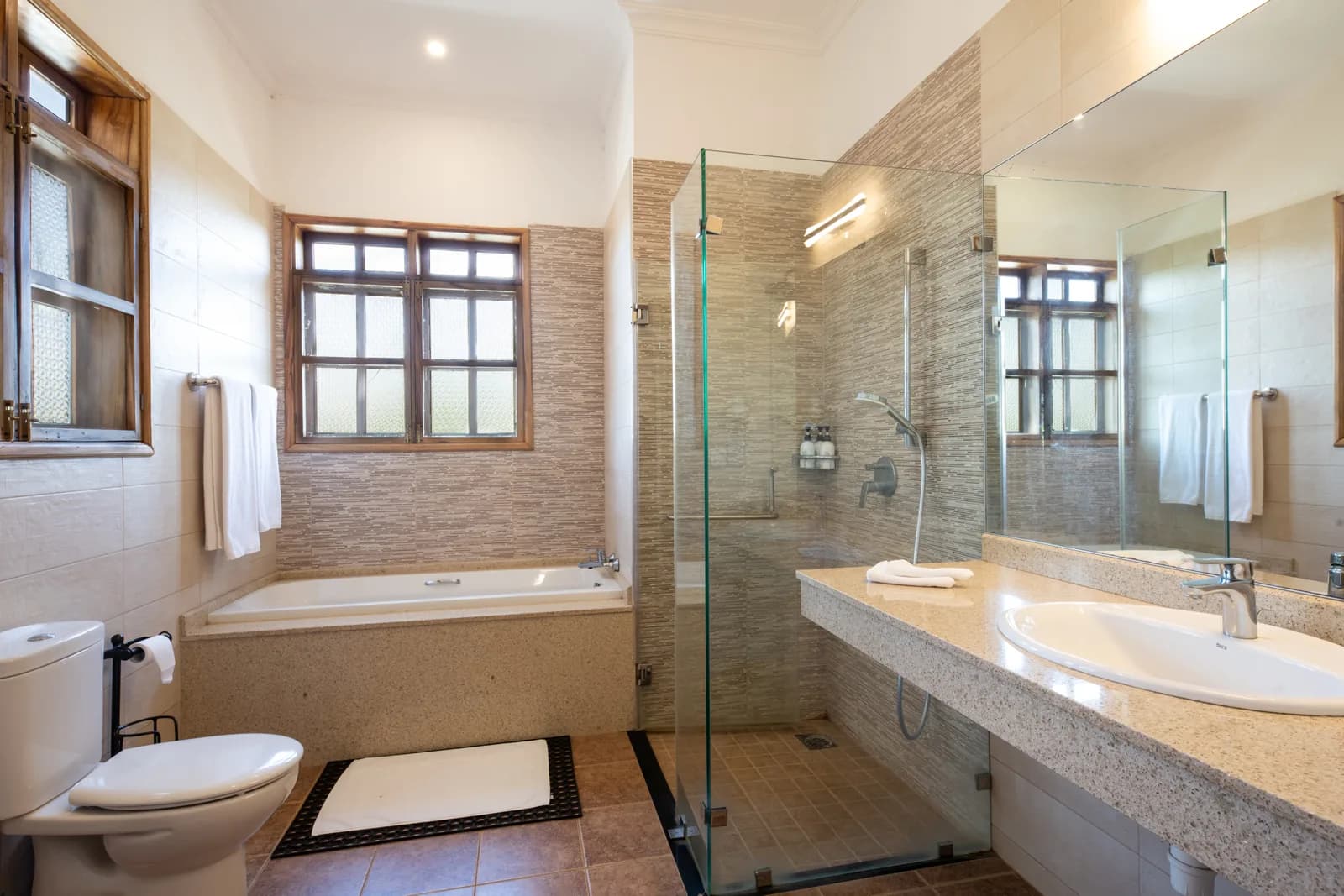
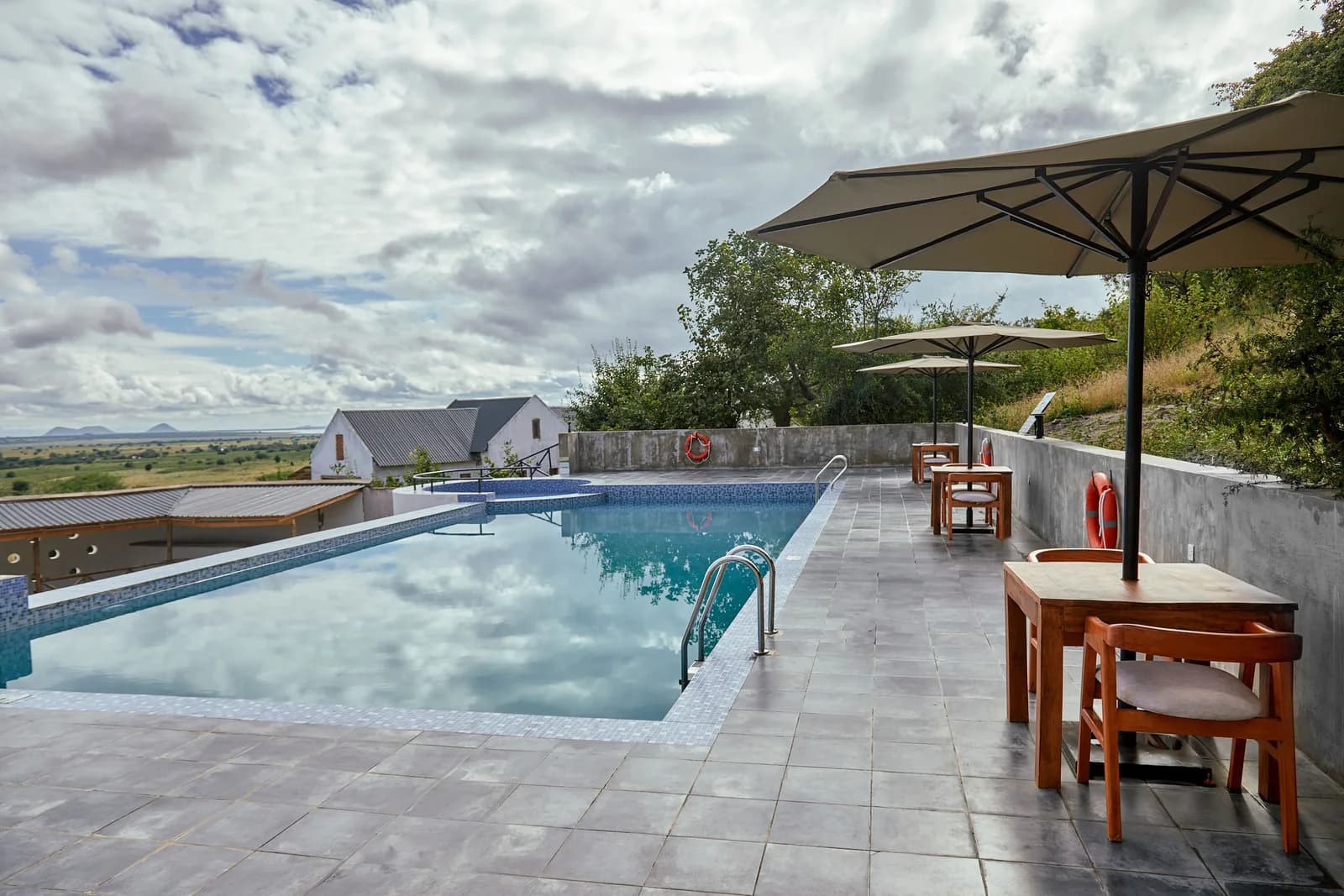
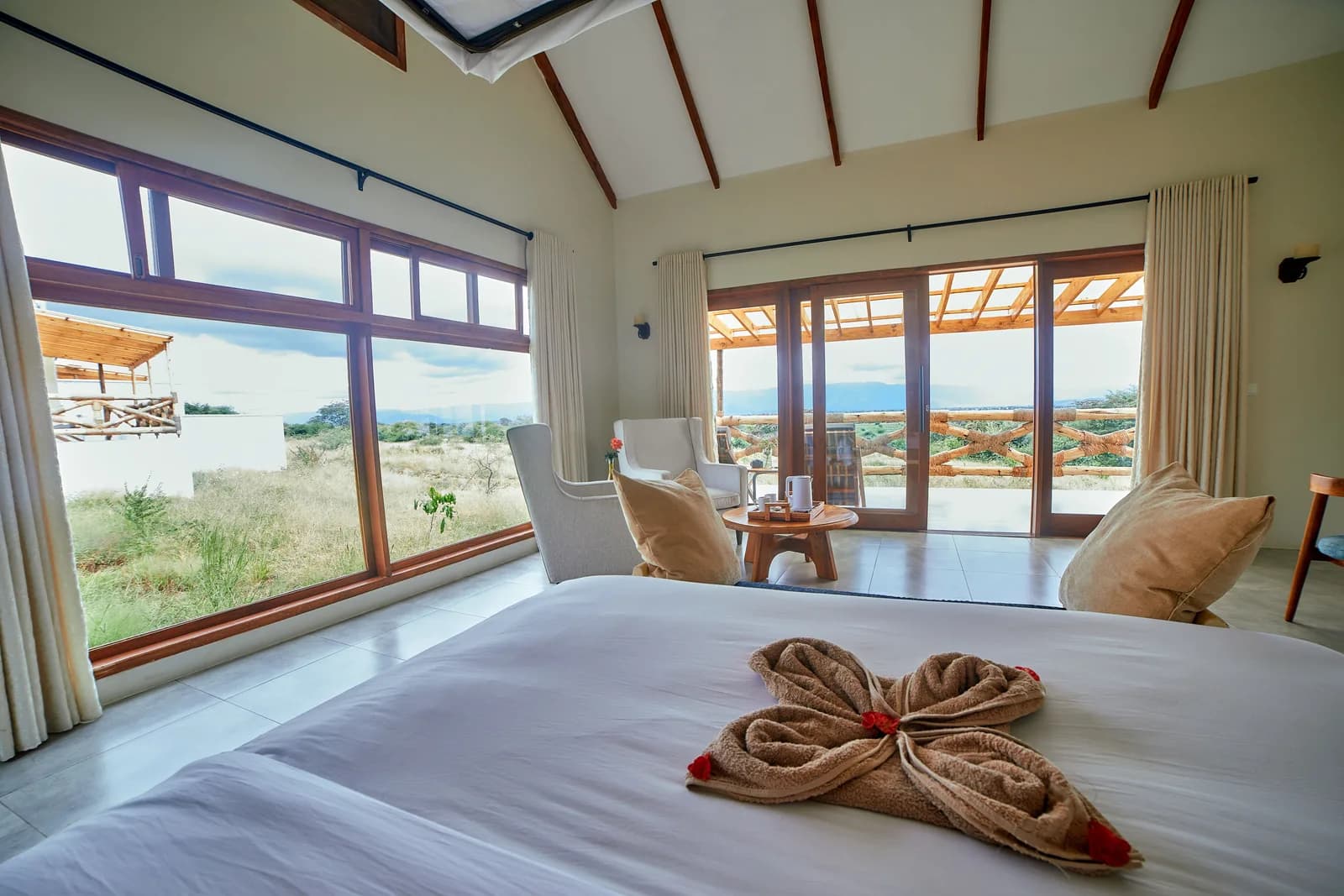
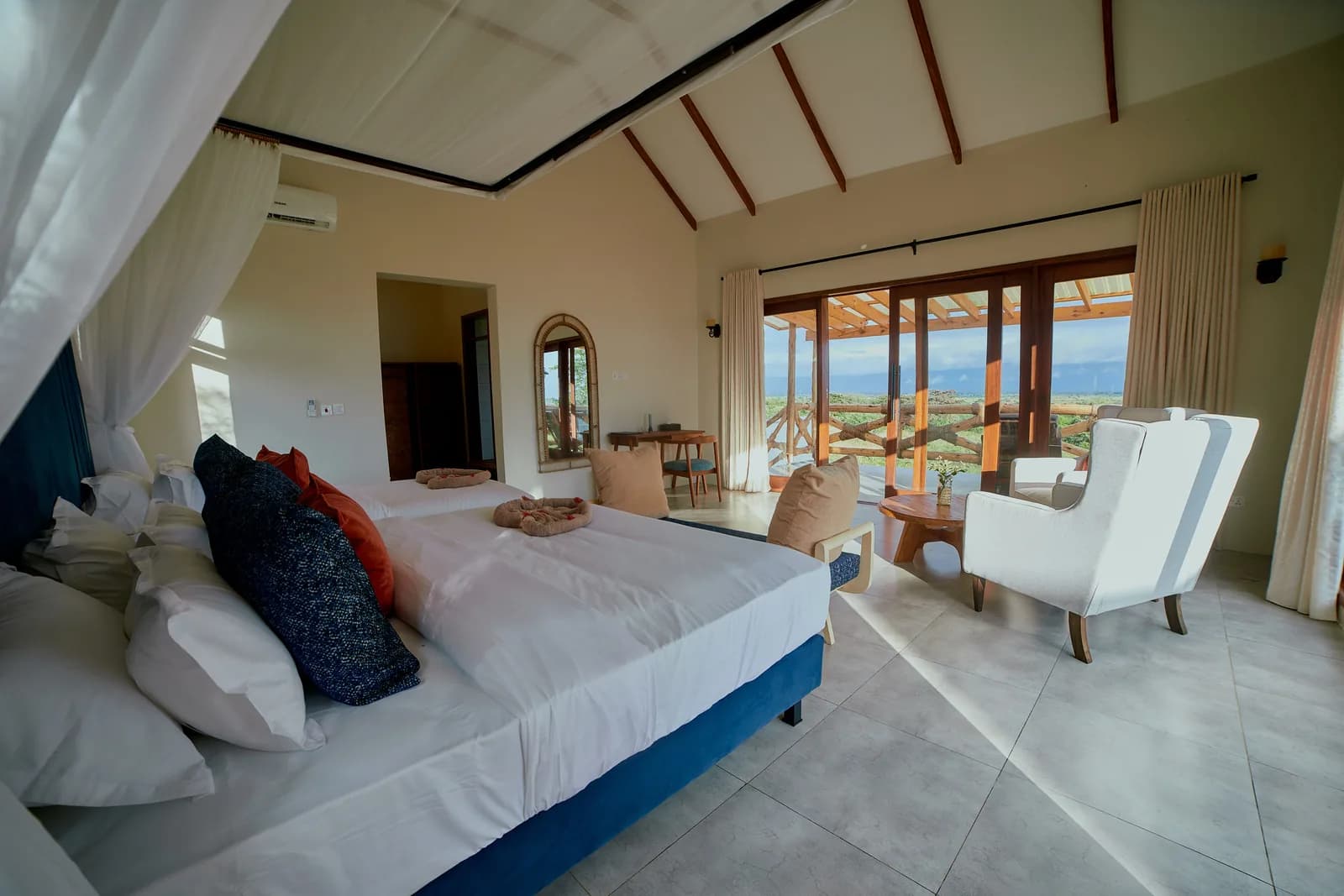
Solid walls, a pool, power that stays on and rooms that fit a family. Larger and less intimate than a camp, and dependable in every season.
Where we book
The permanent lodges we book, from Arusha to the Serengeti.
- Ngare Sero Mountain LodgeArushaComfort
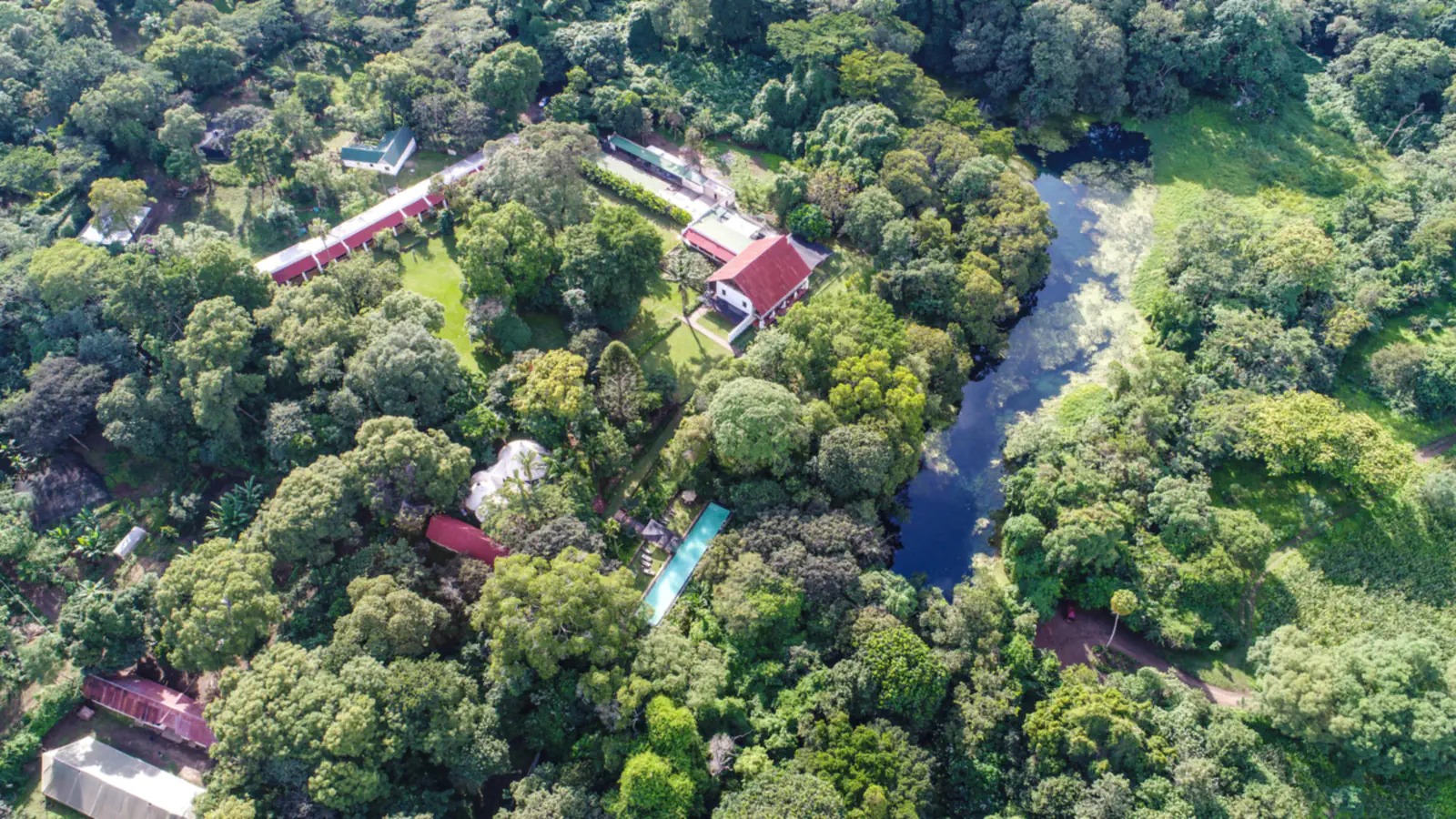
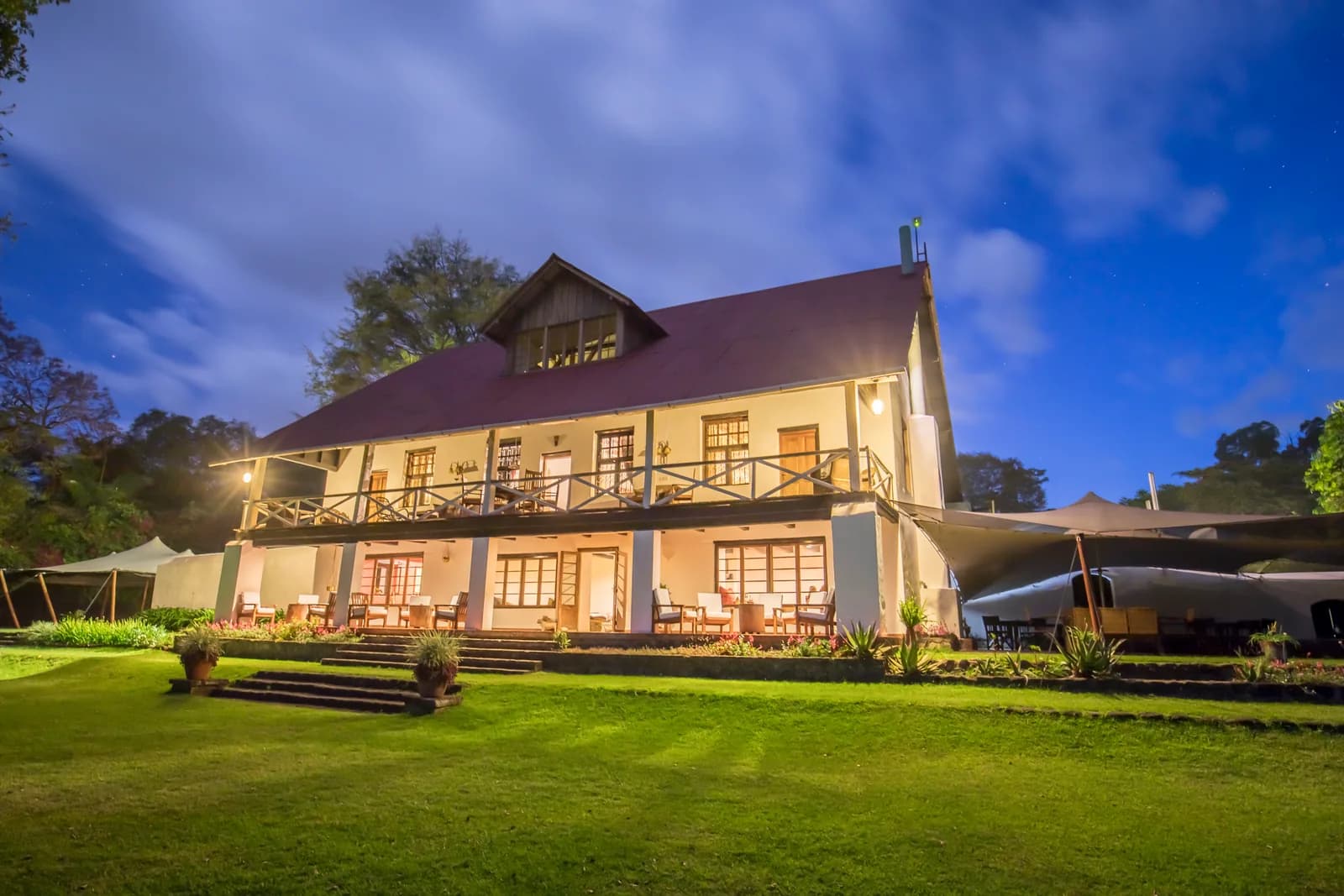
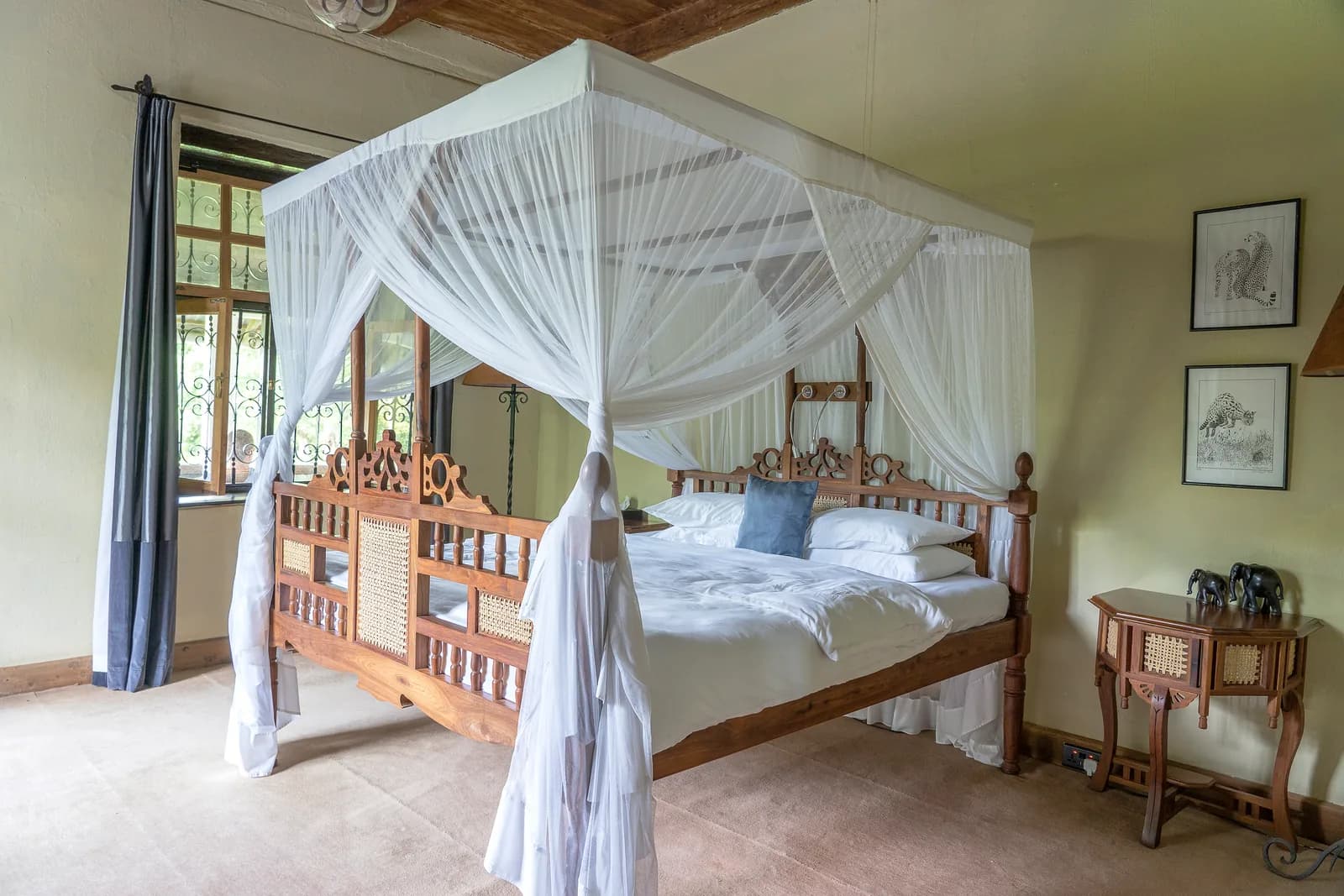
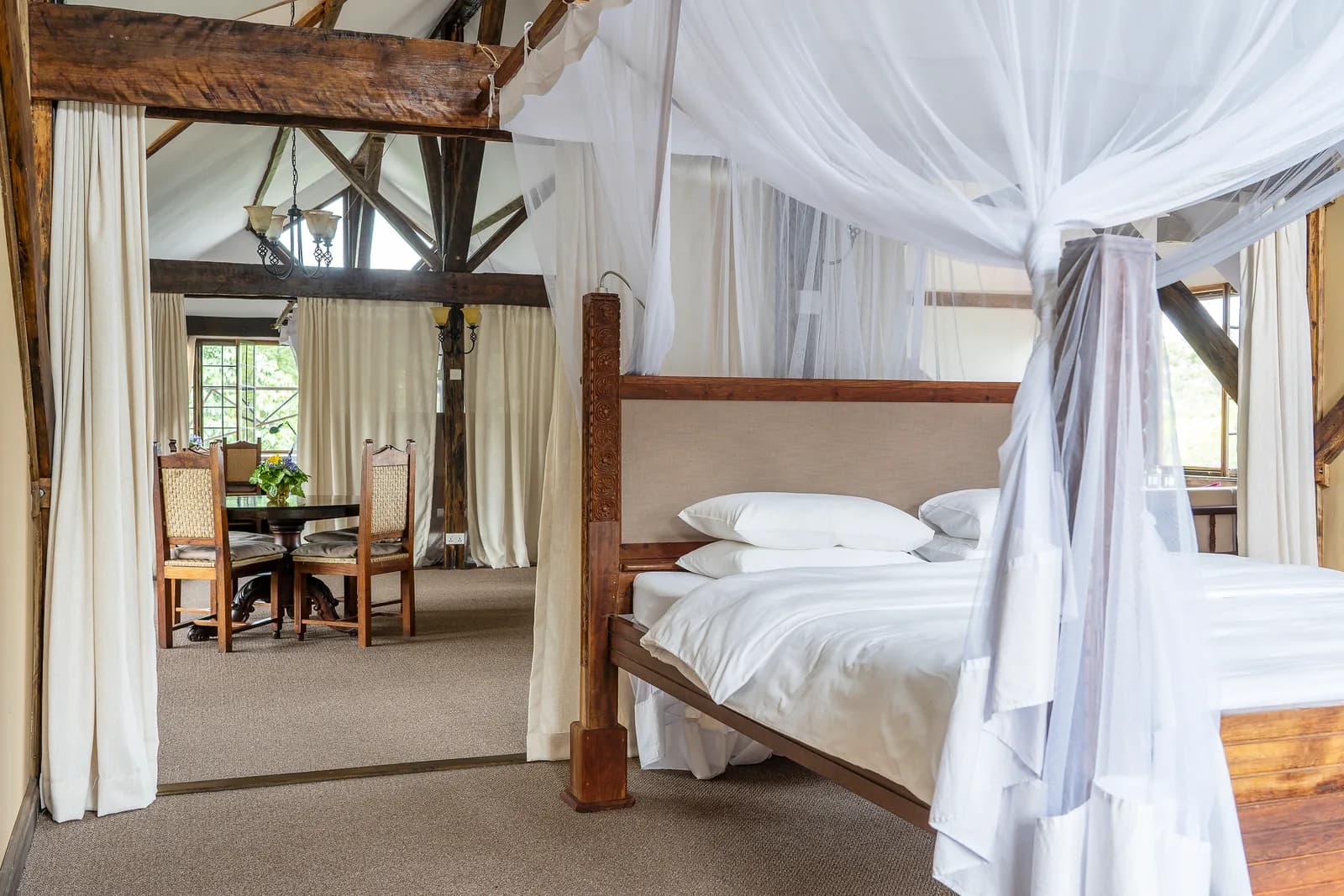
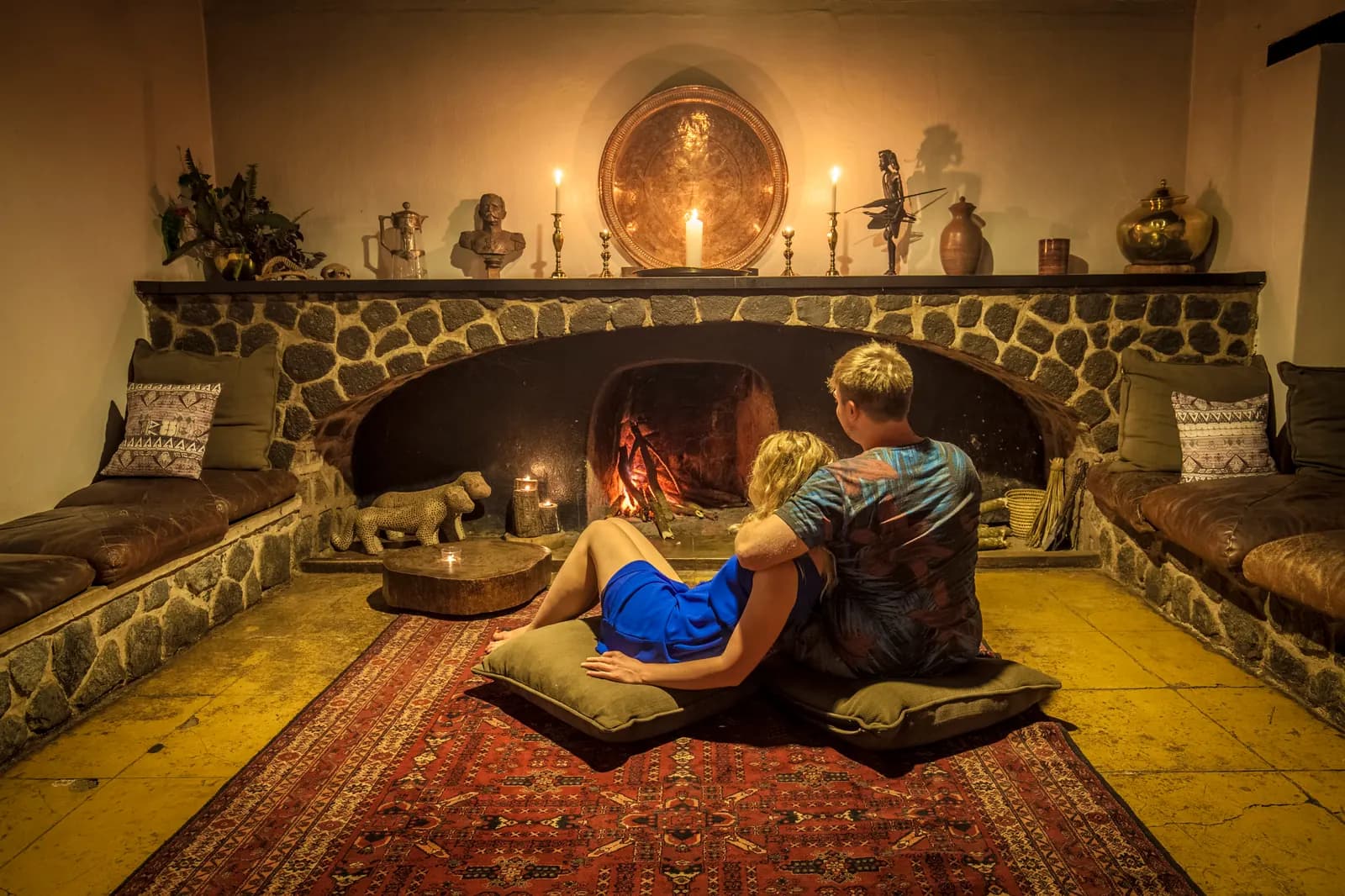
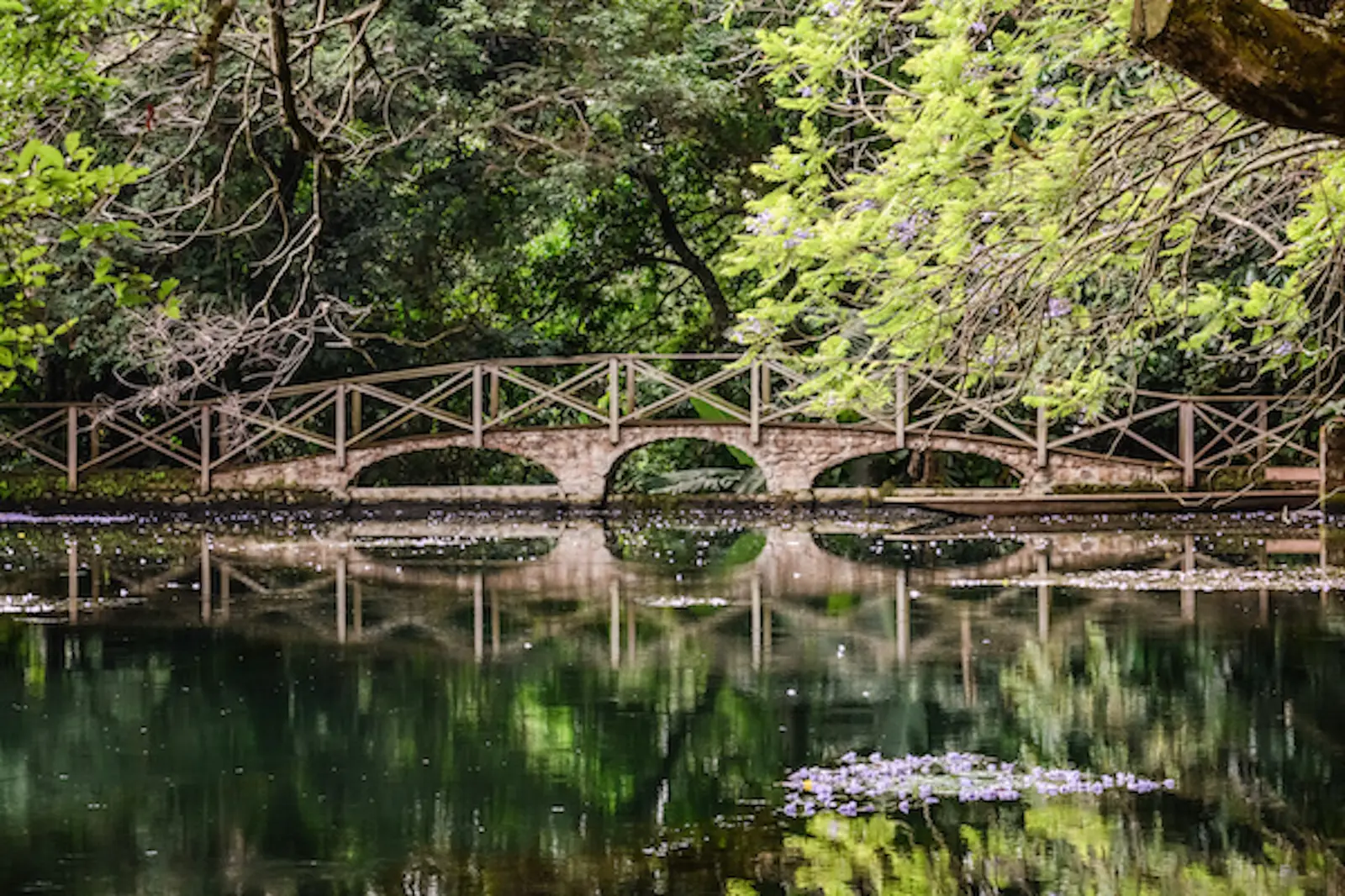
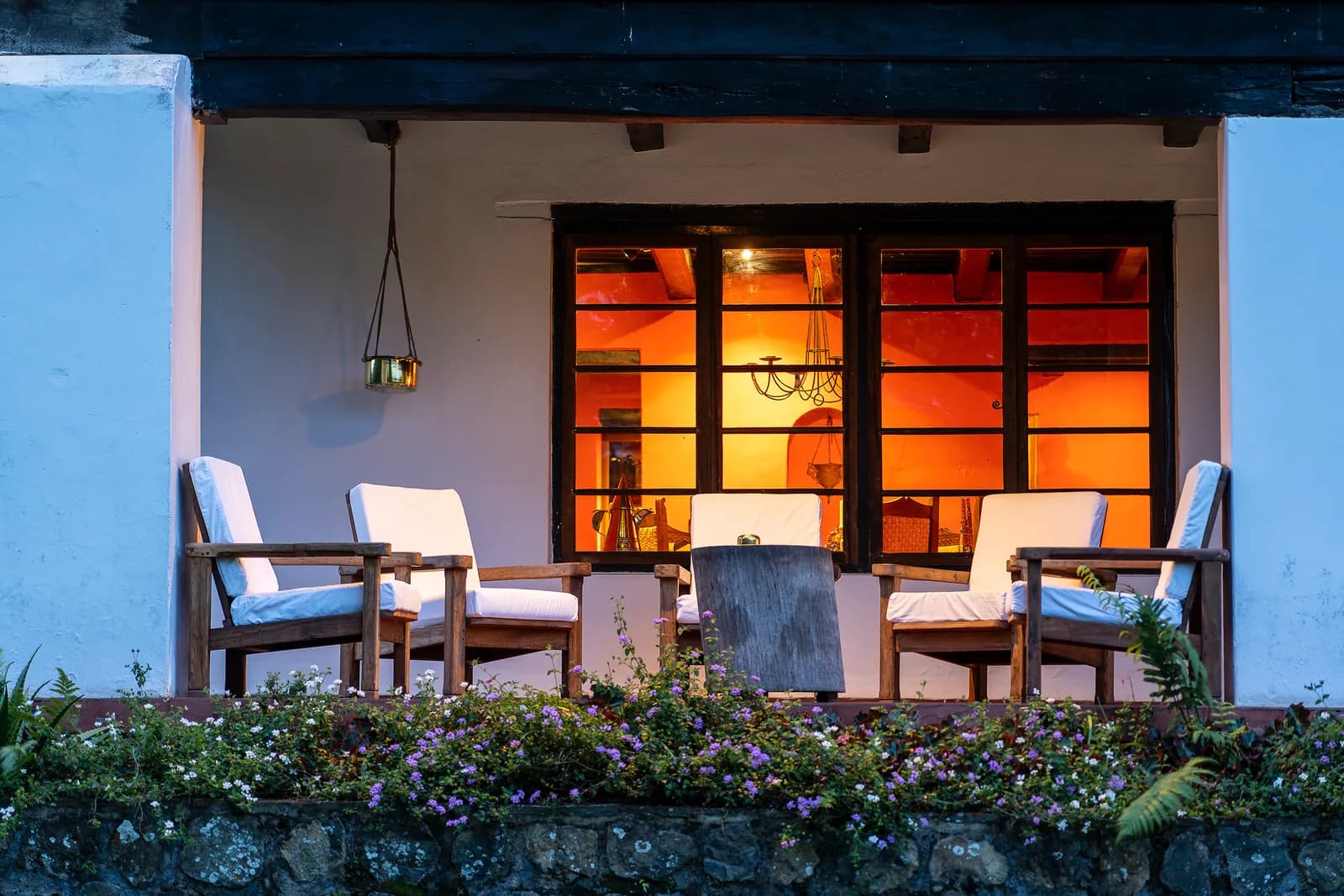
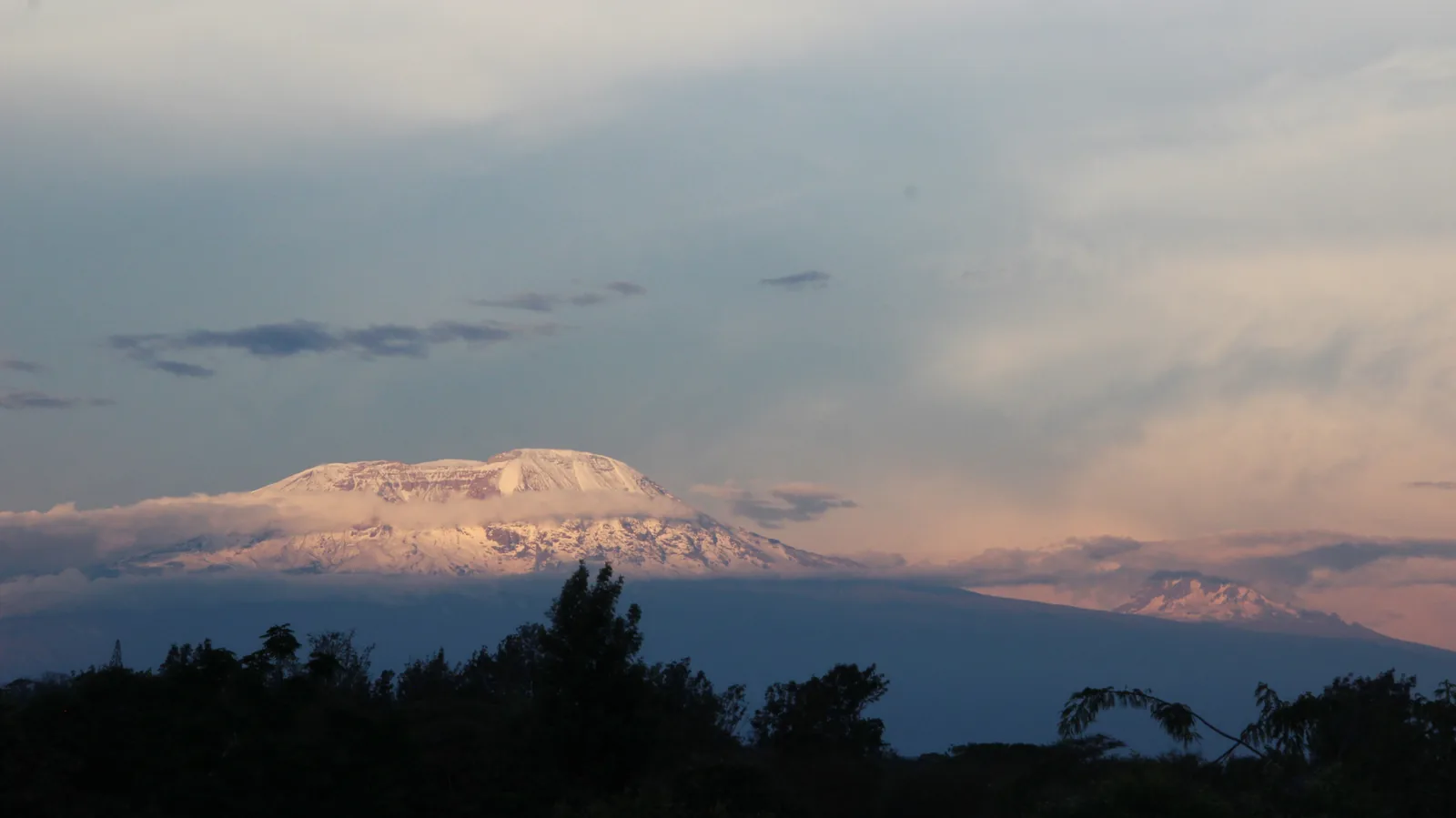
Photos: Ngare Sero Mountain Lodge - Pamoja Verdant Farm VillaArushaComfort
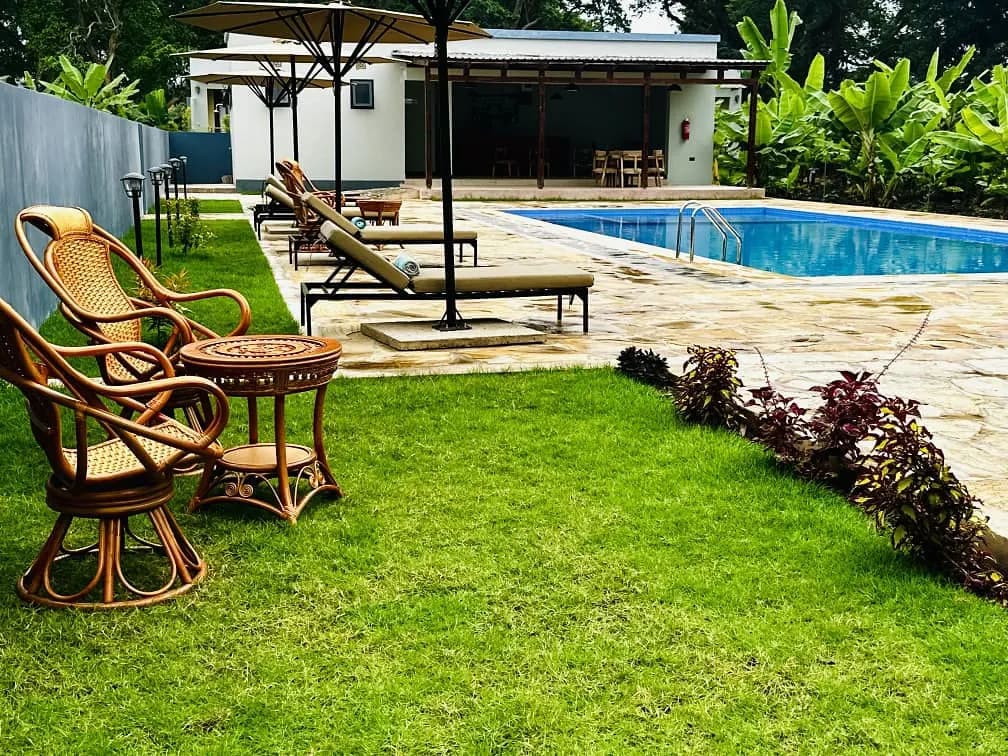
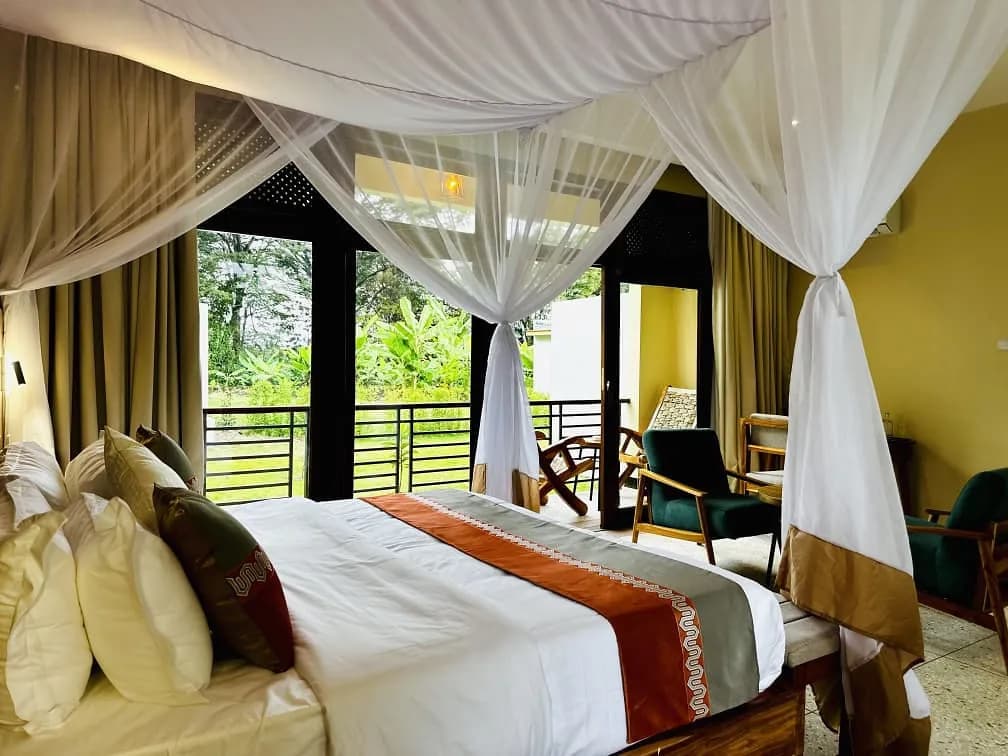
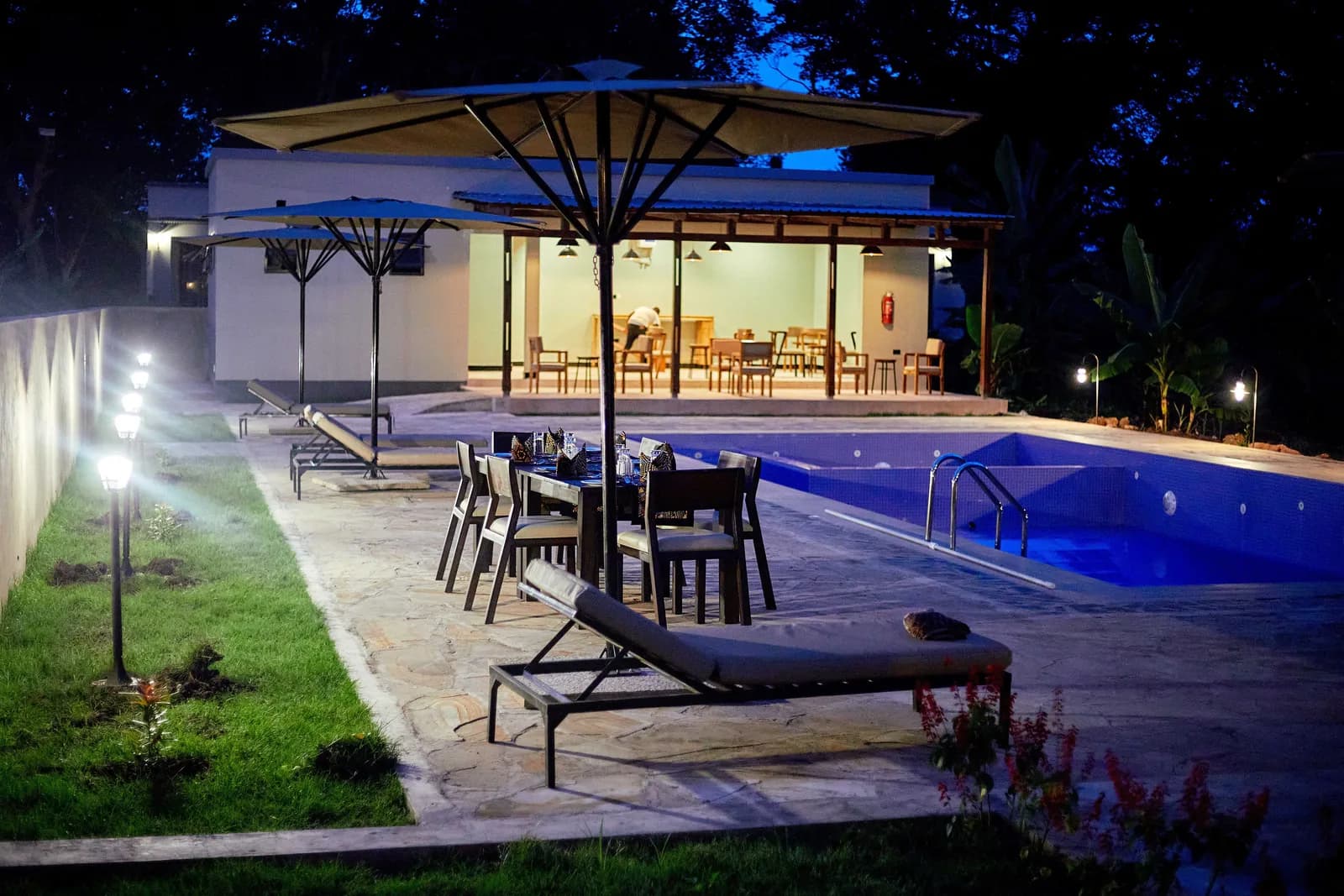
Photos: Pamoja Africa - Gran Meliá ArushaArushaPhotos coming soonMid-range
- Kahawa HouseArushaMid-range
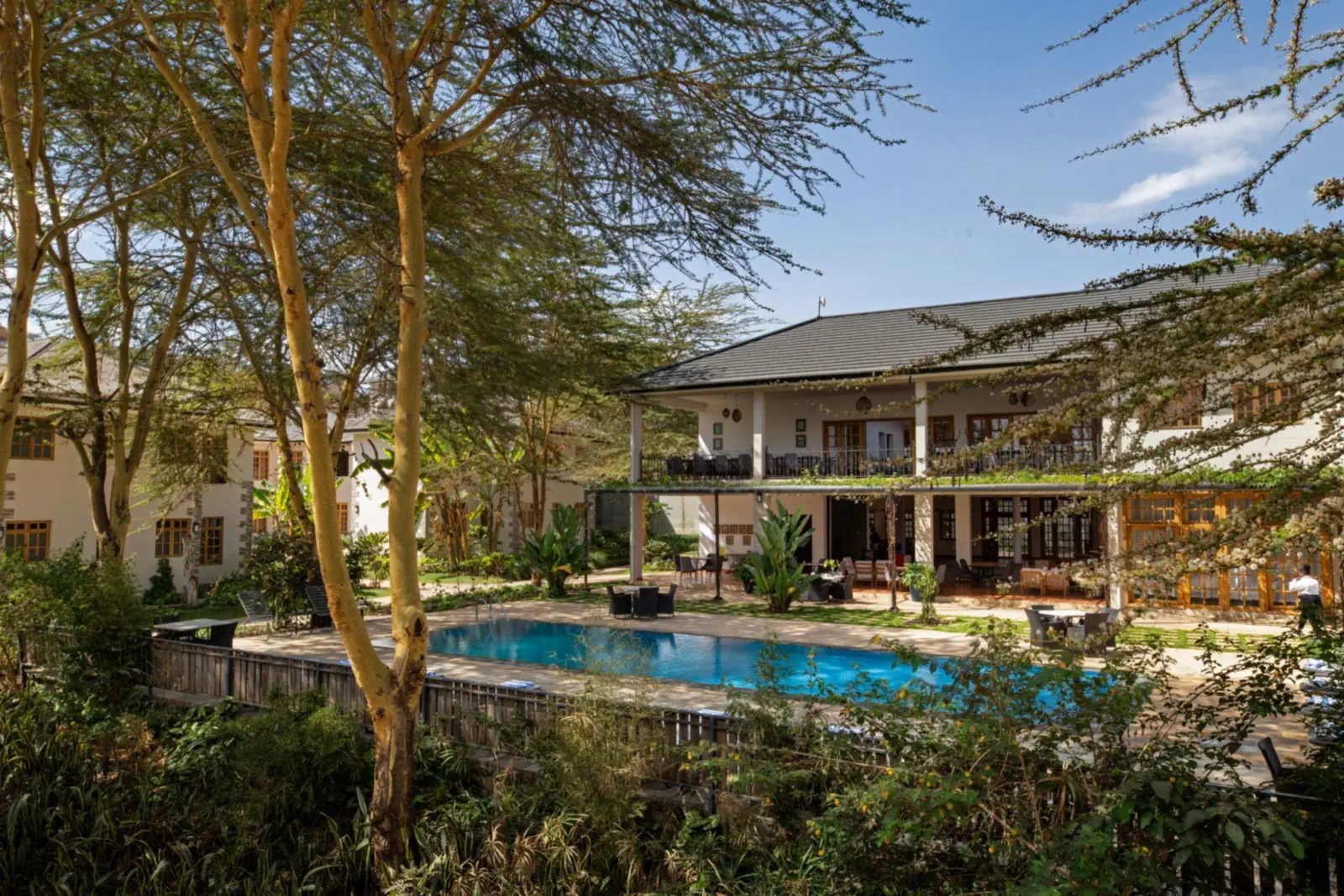
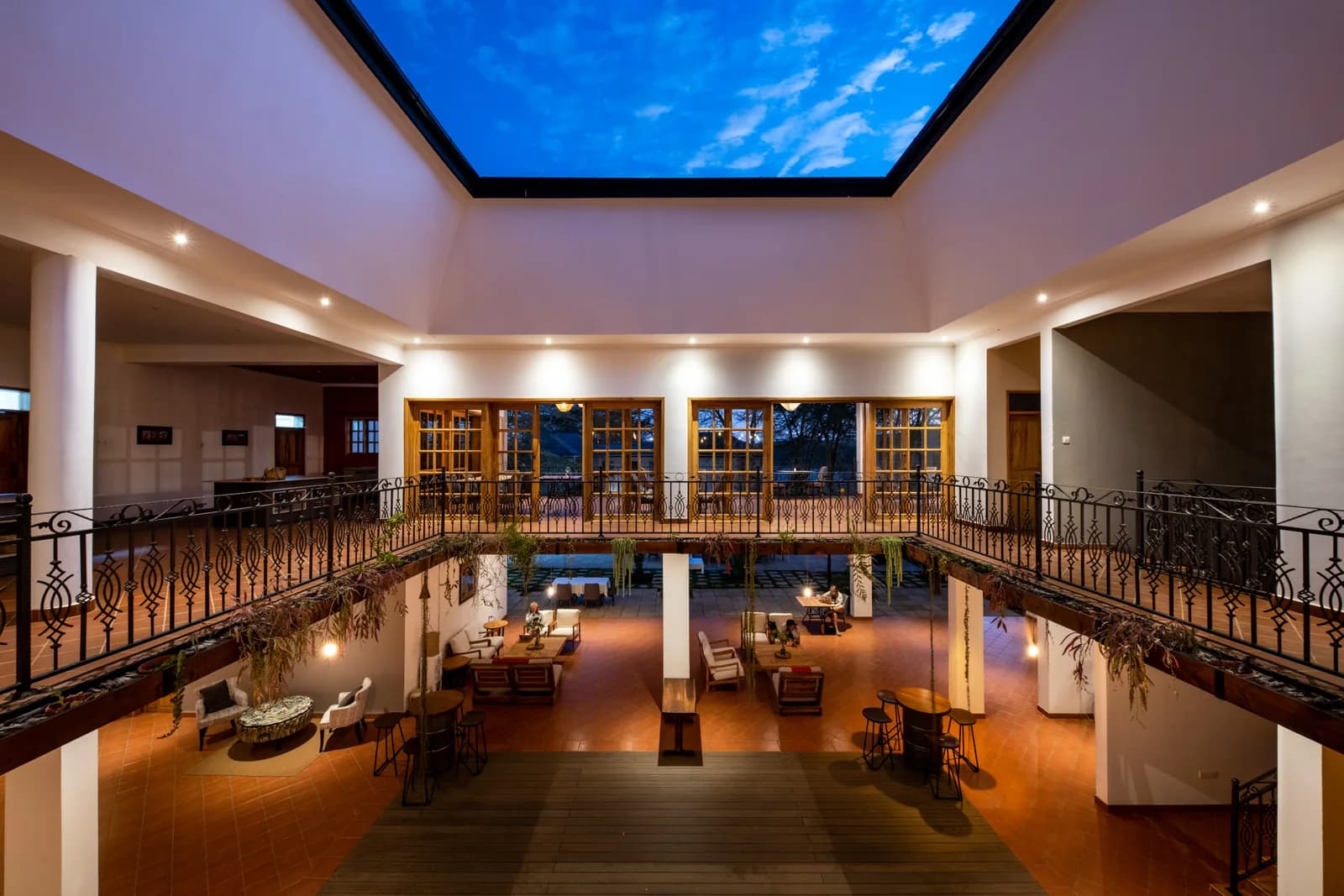
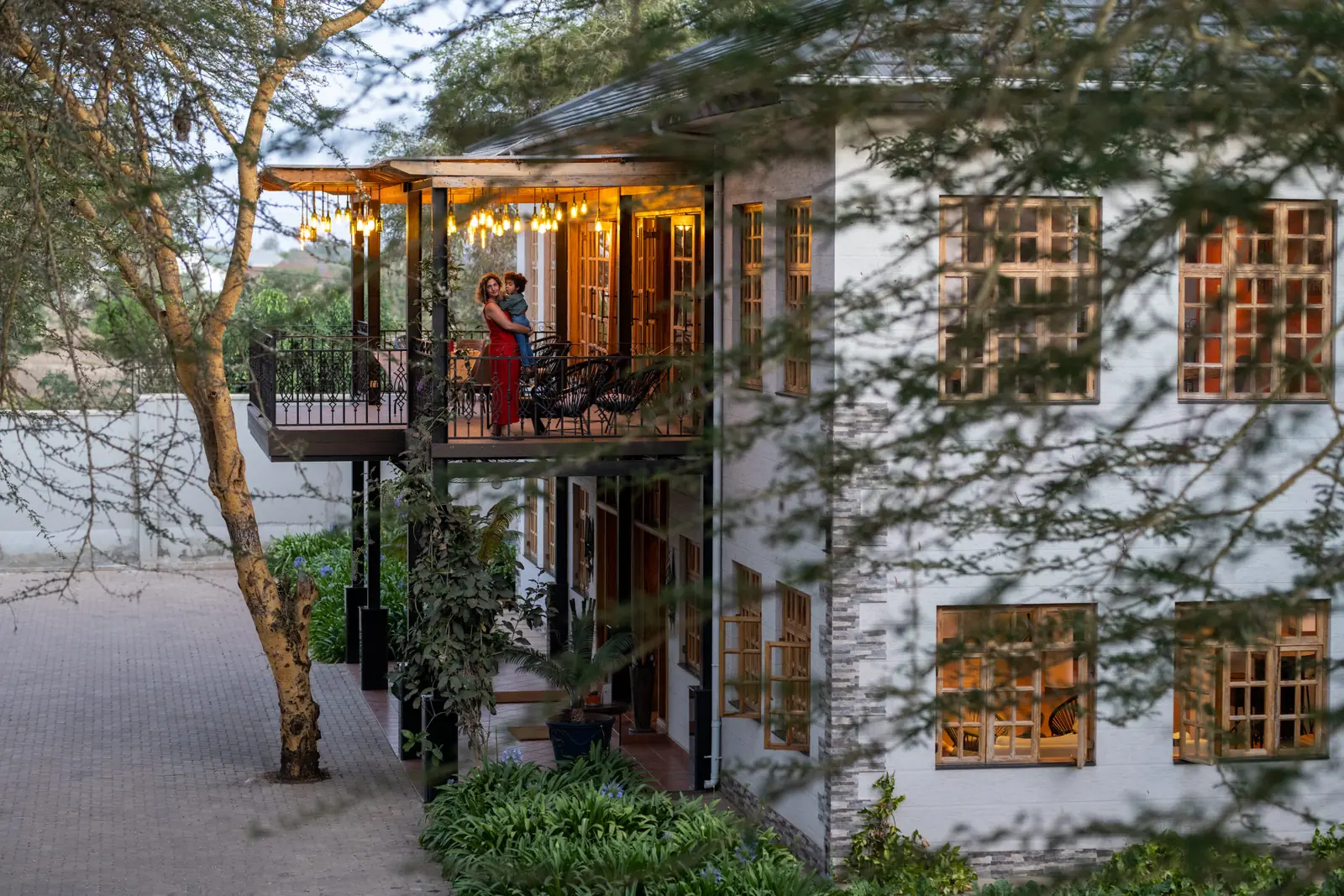
Photos: Tanganyika Wilderness Camps - Arusha Coffee LodgeArushaPhotos coming soonPremium
- Tarangire Luxury HideawayTarangireMid-range
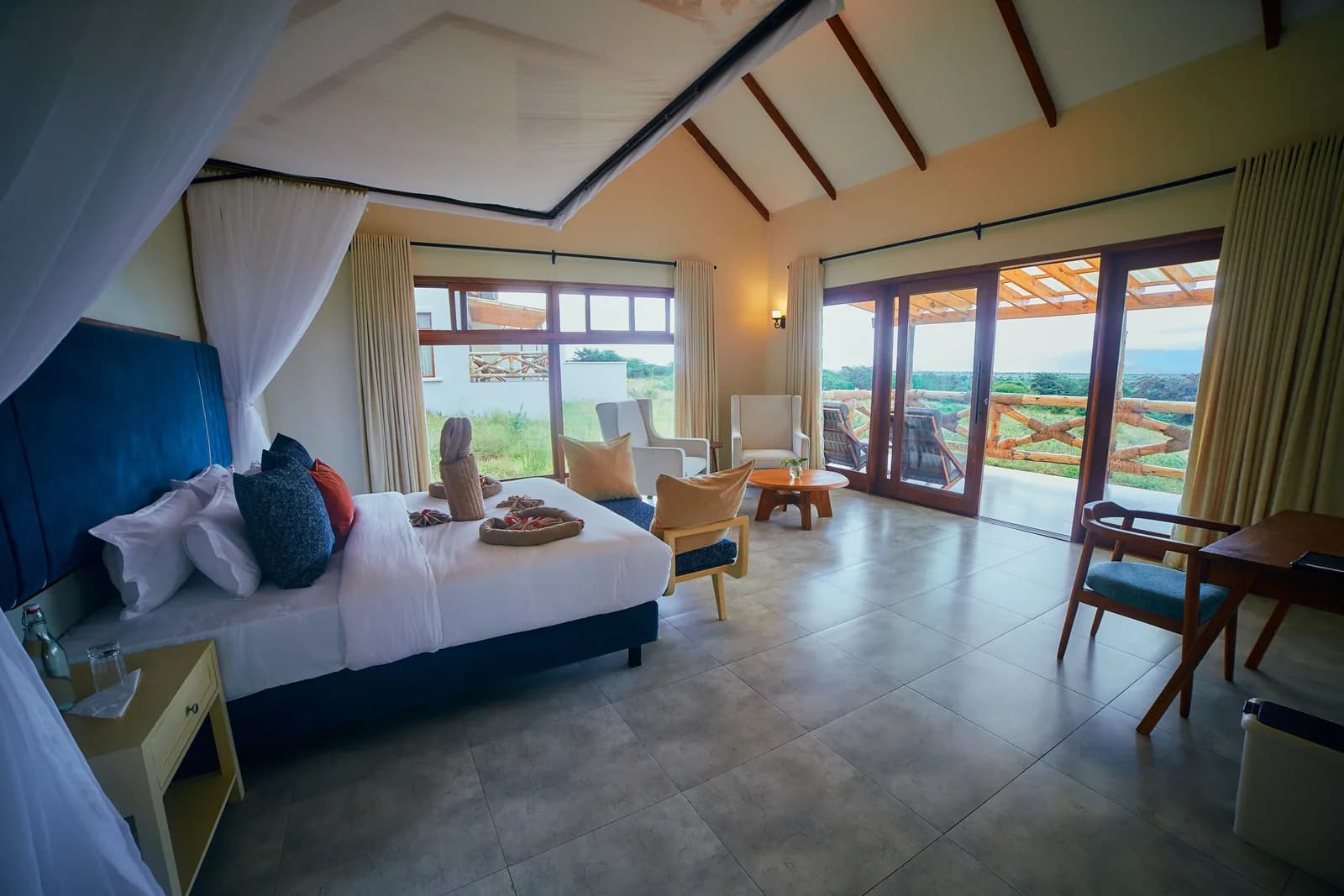
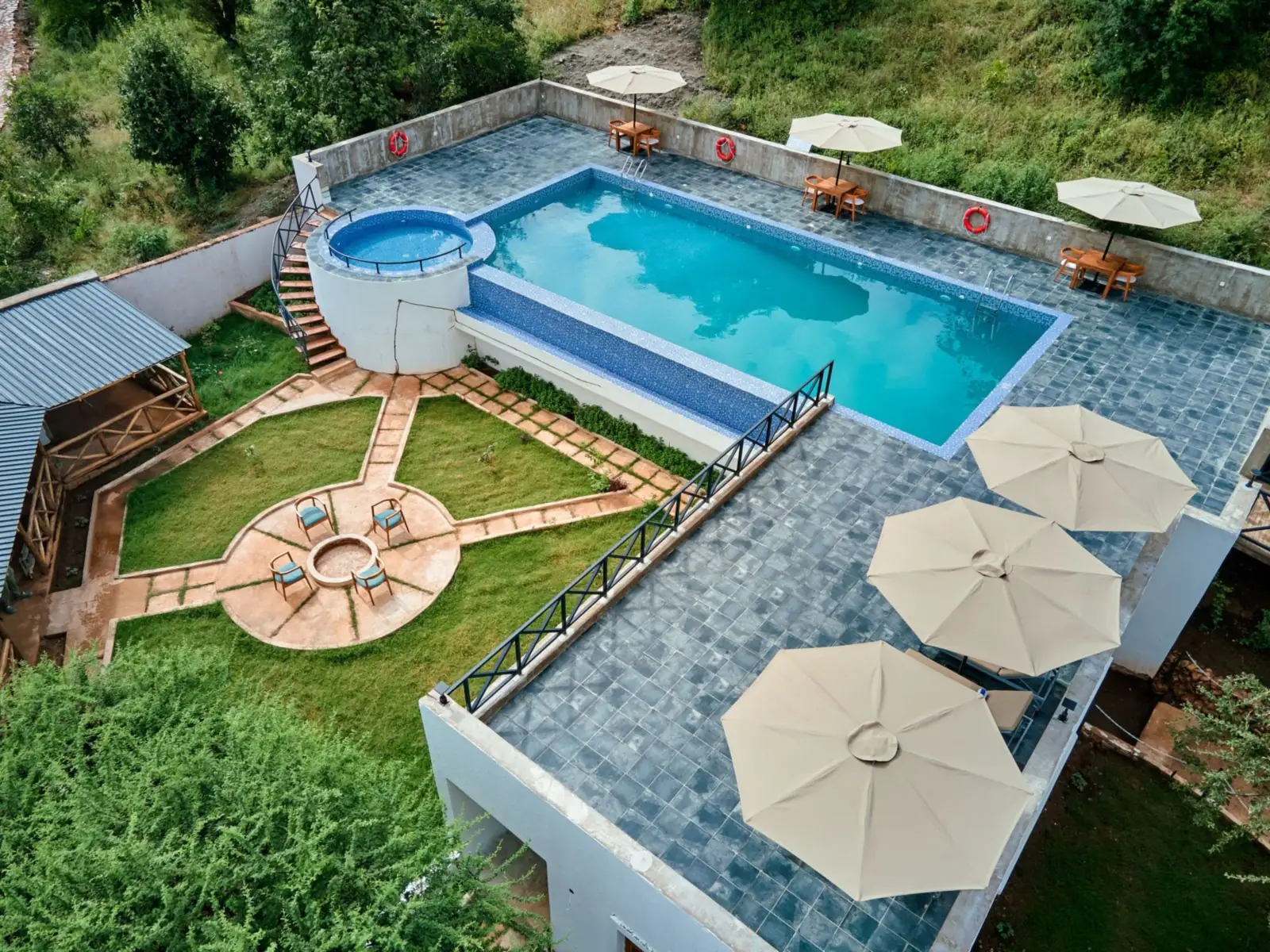
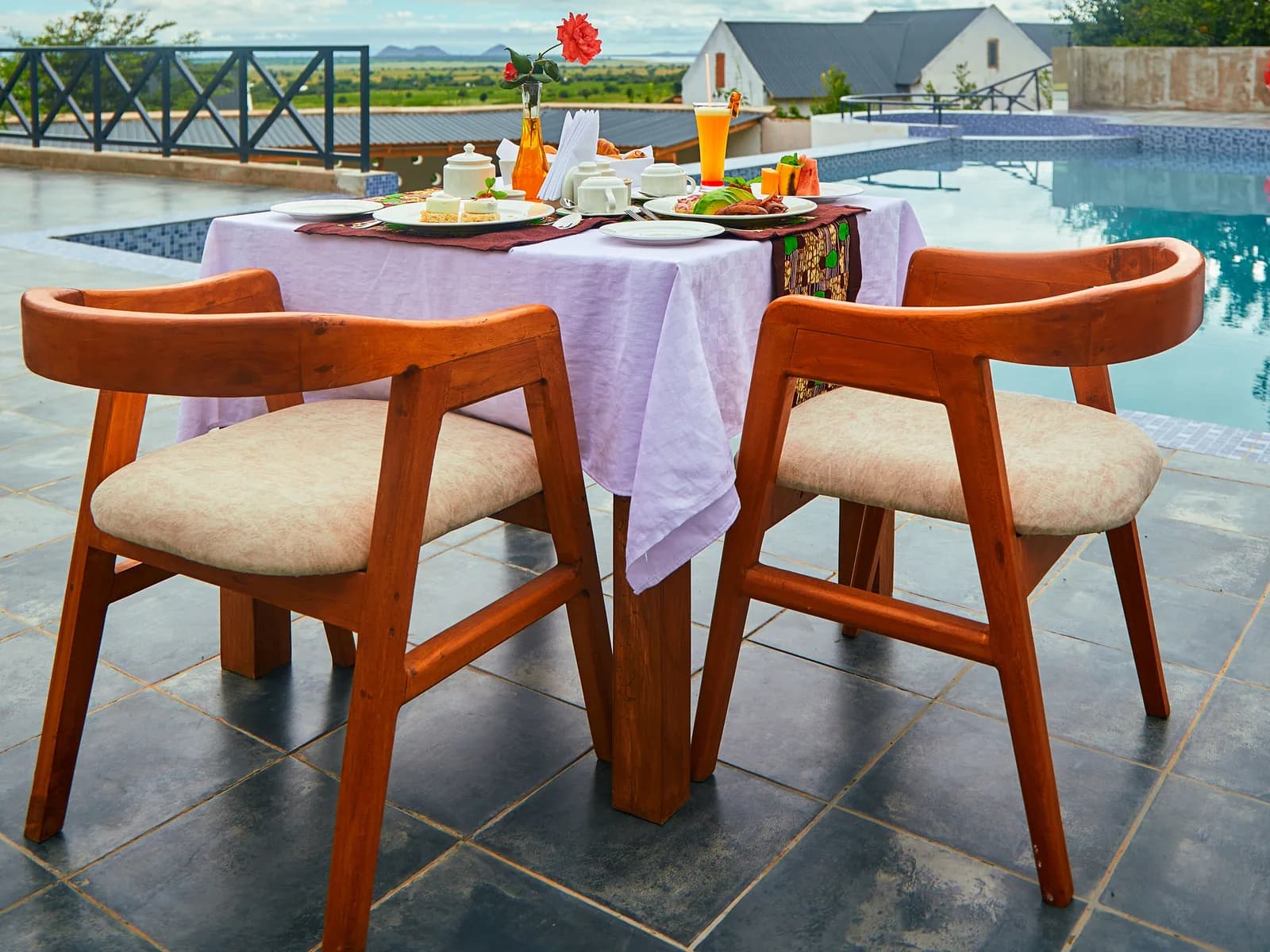
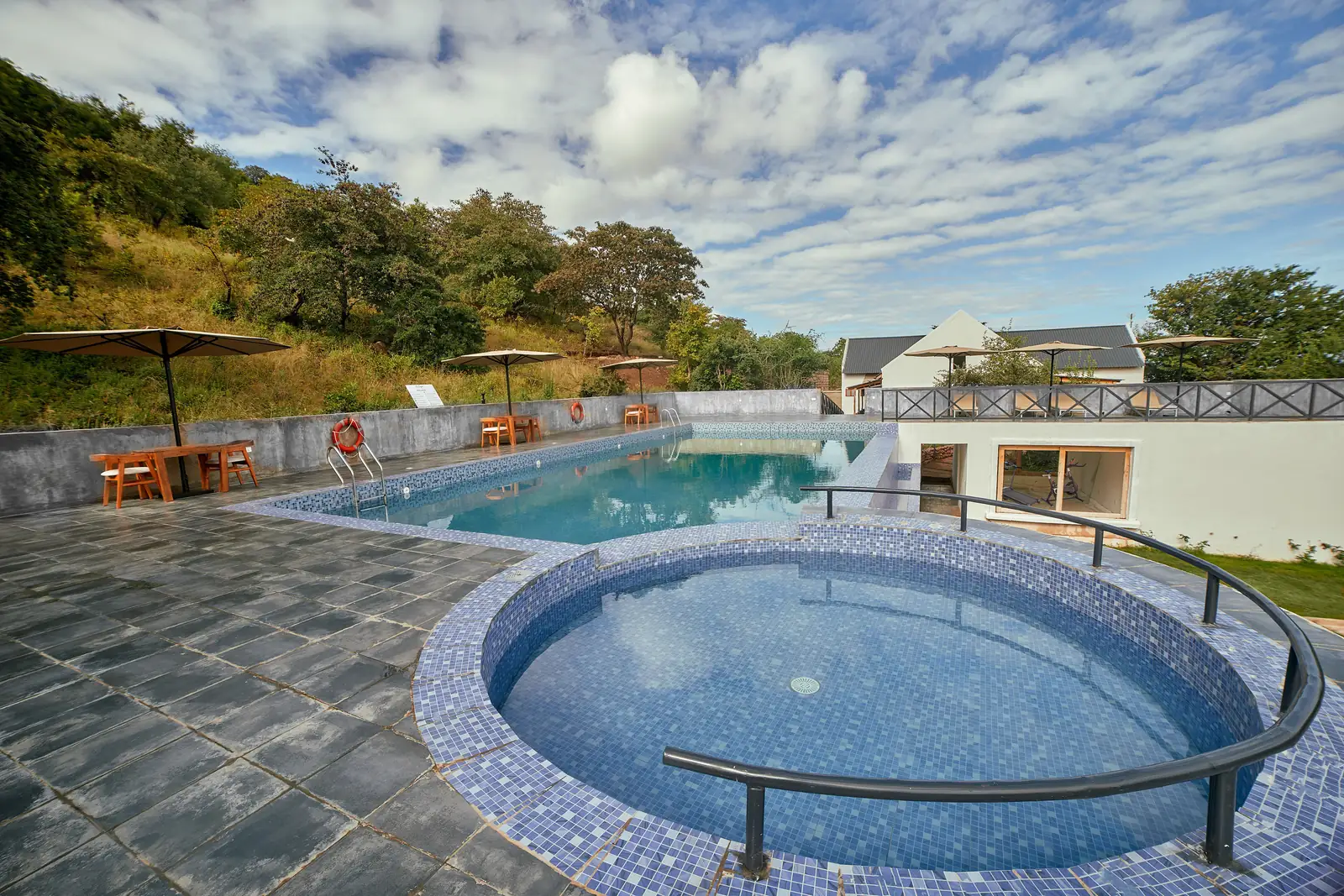
Photos: Pamoja Africa - Manyara Baobab LodgeLake ManyaraMid-range
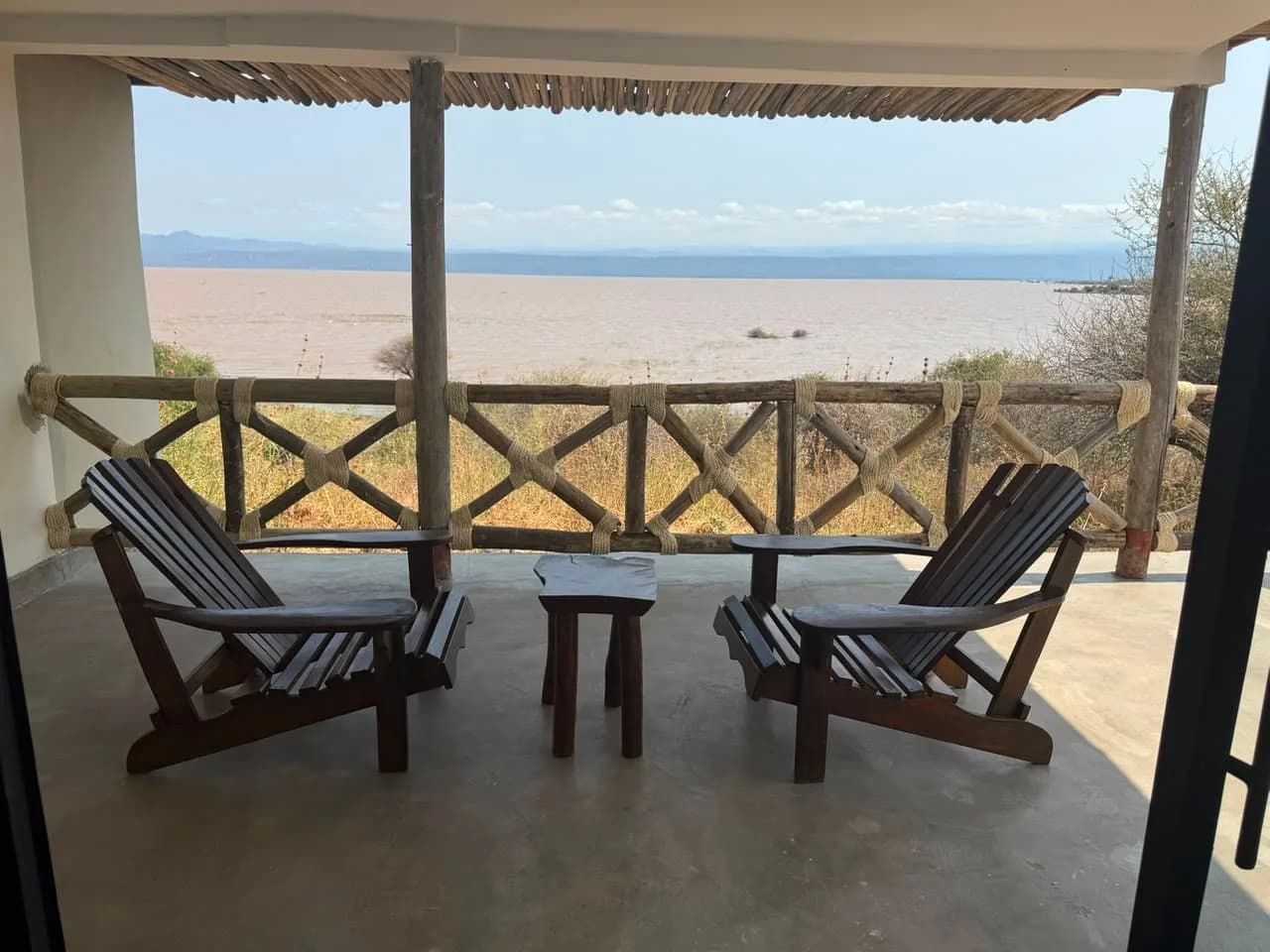
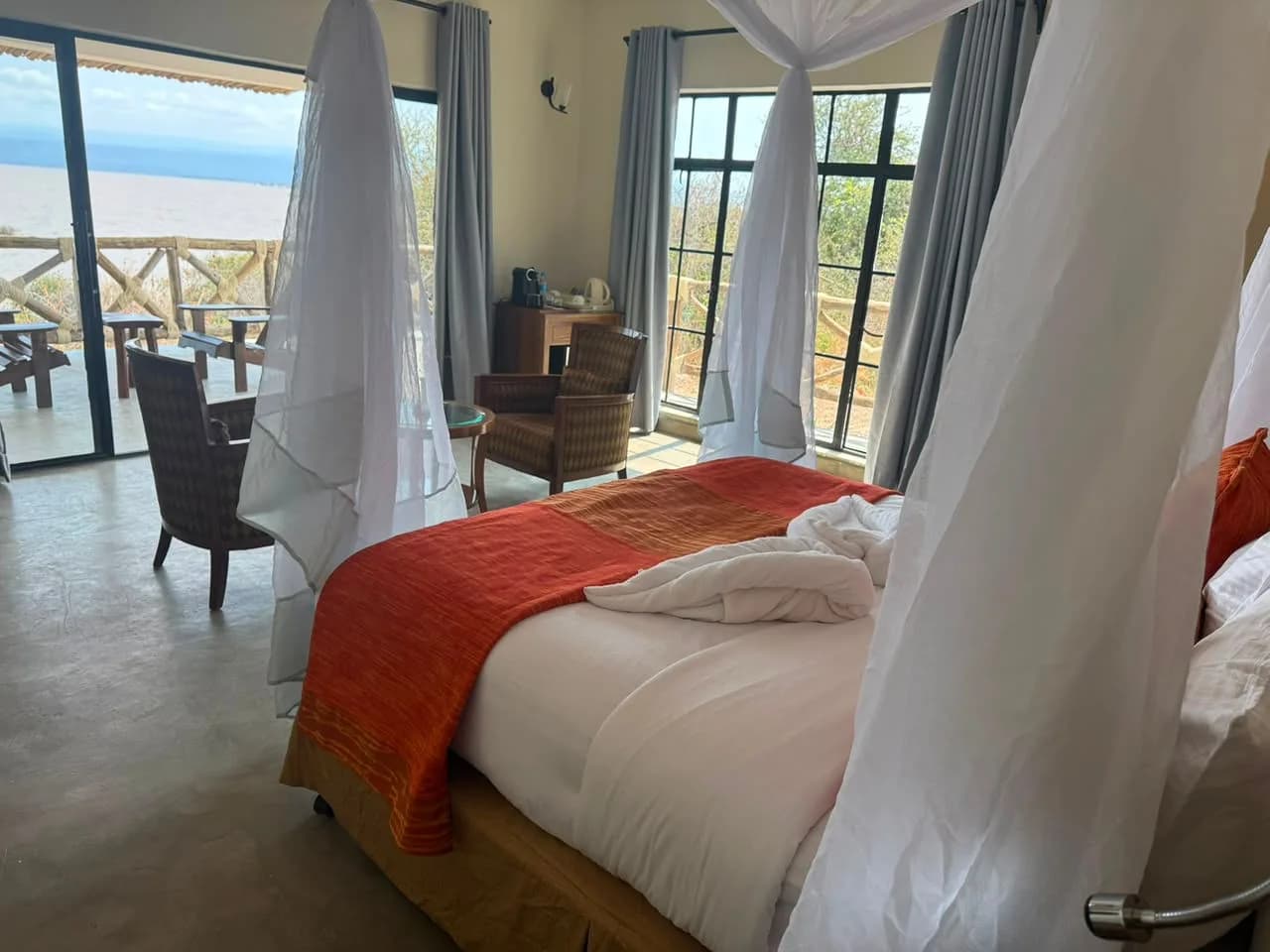
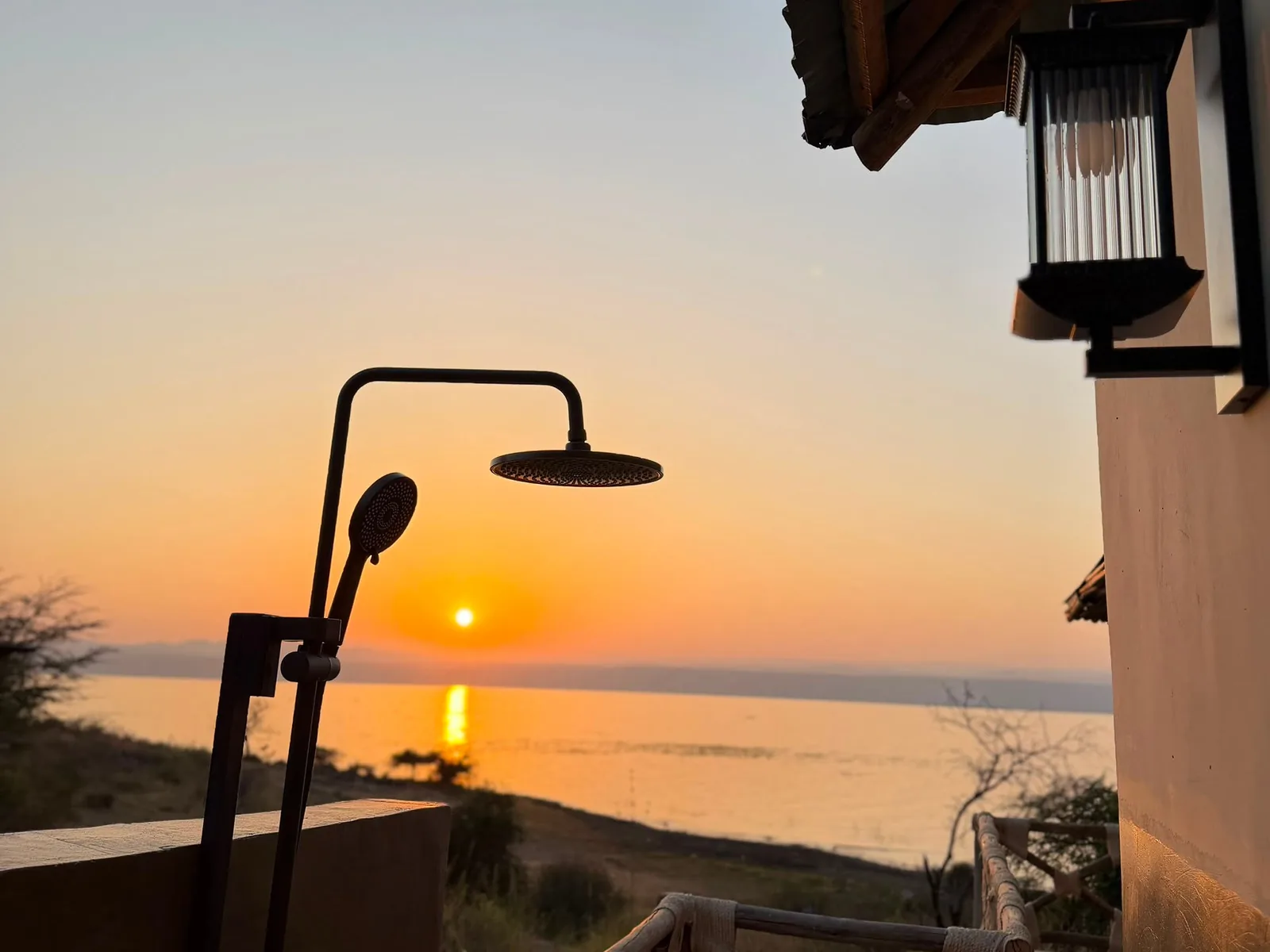
Photos: Pamoja Africa - Tloma LodgeKaratu & NgorongoroComfort
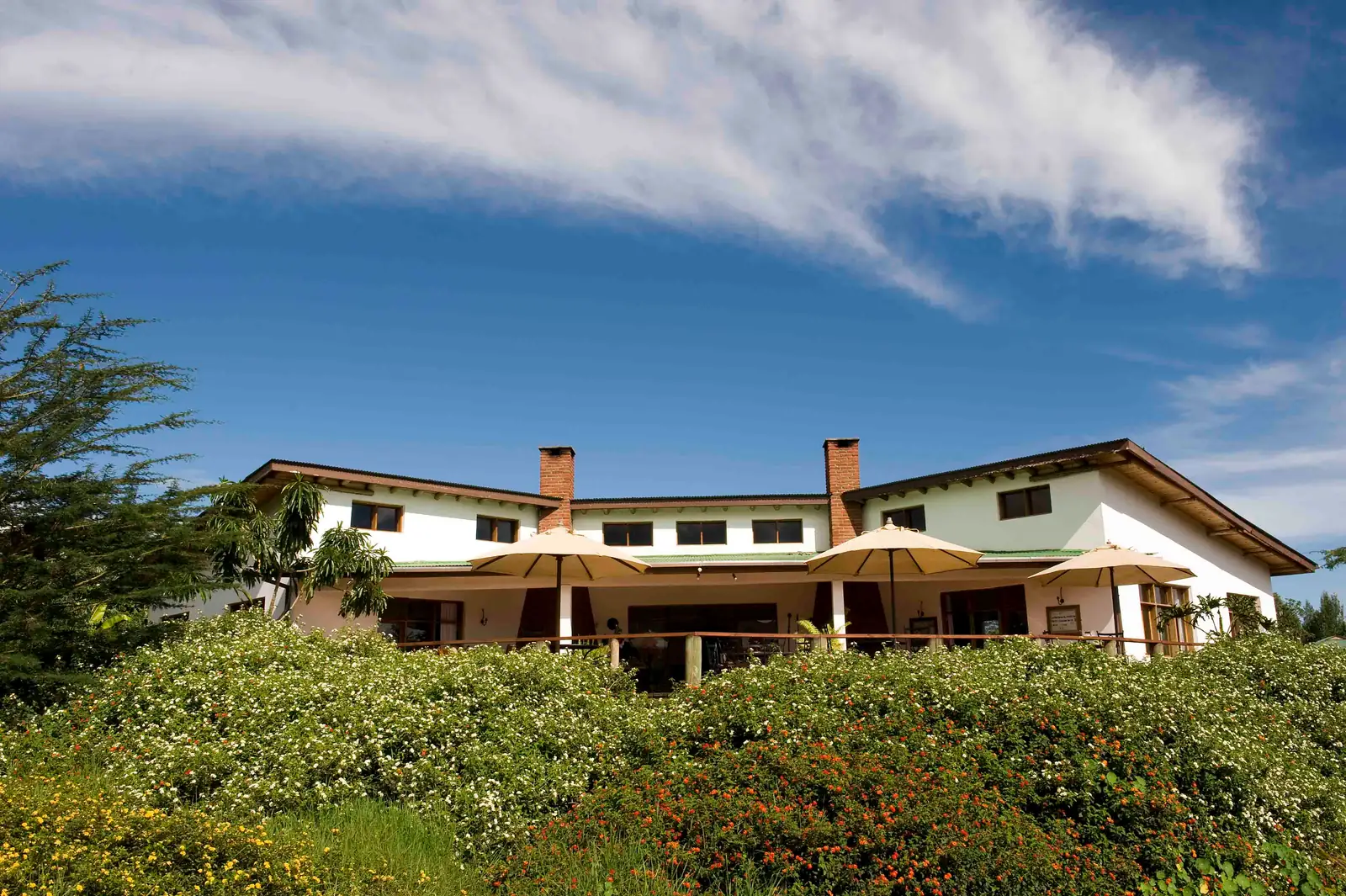
Photos: Tanganyika Wilderness Camps - Kitela LodgeKaratu & NgorongoroMid-range
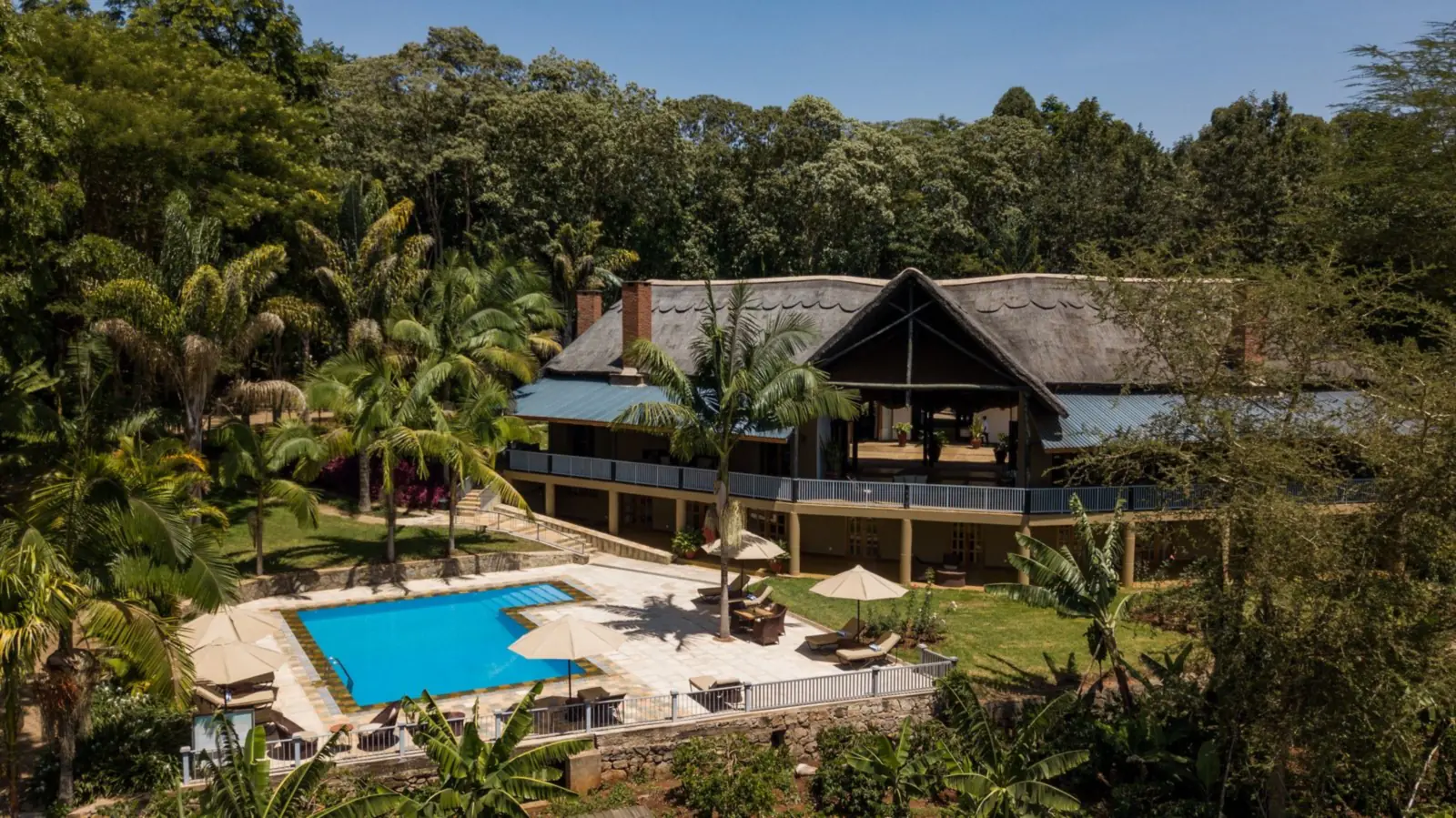
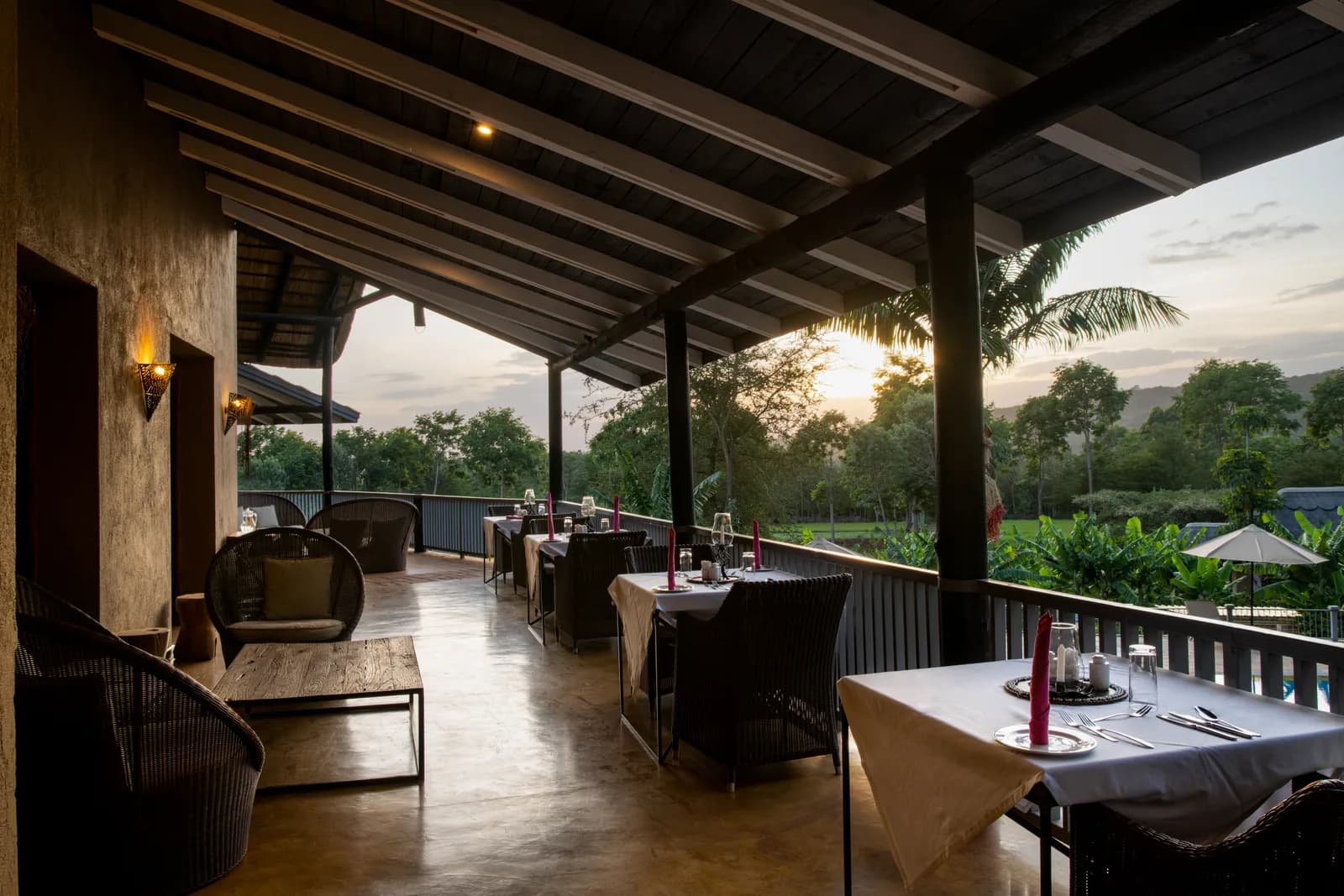
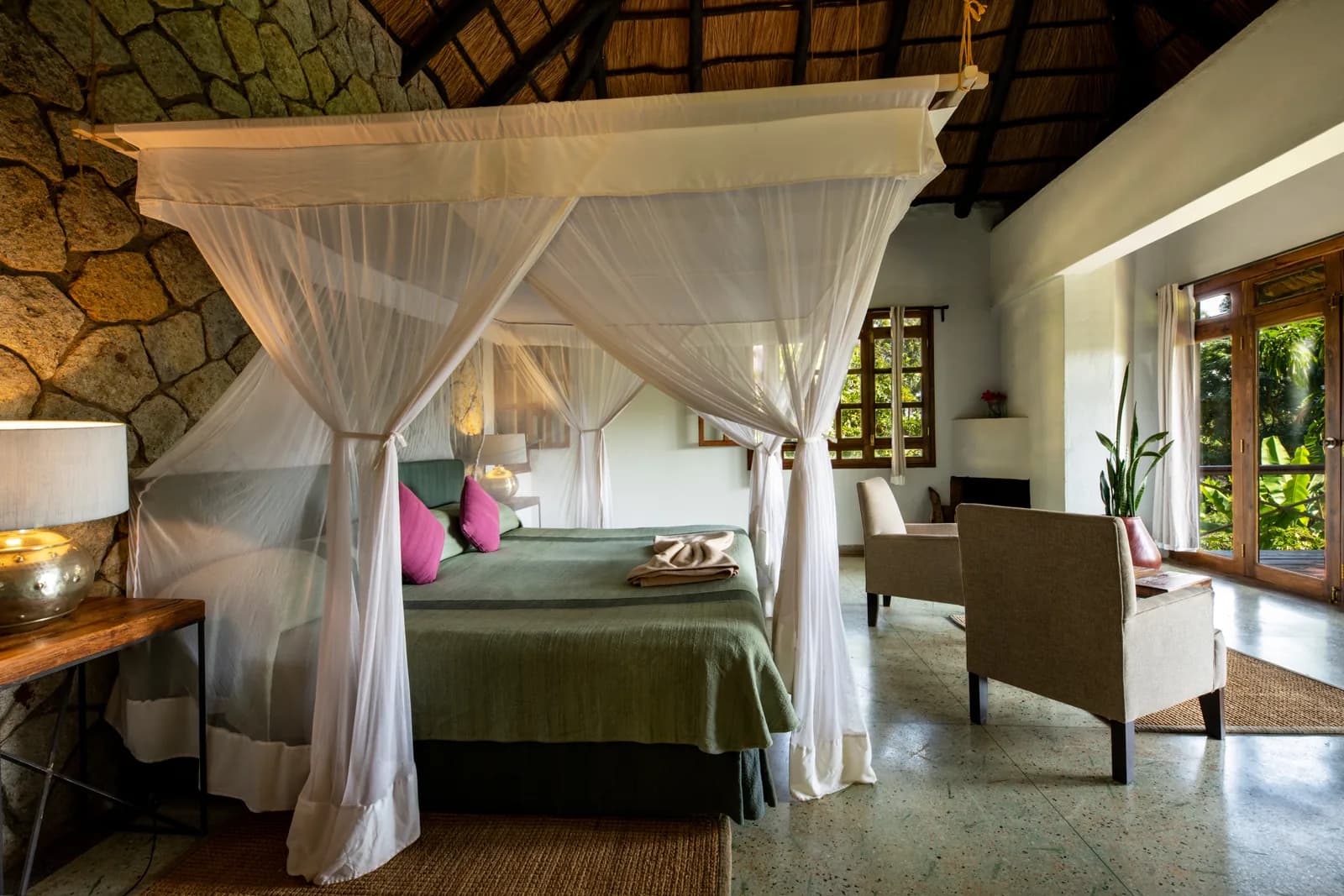
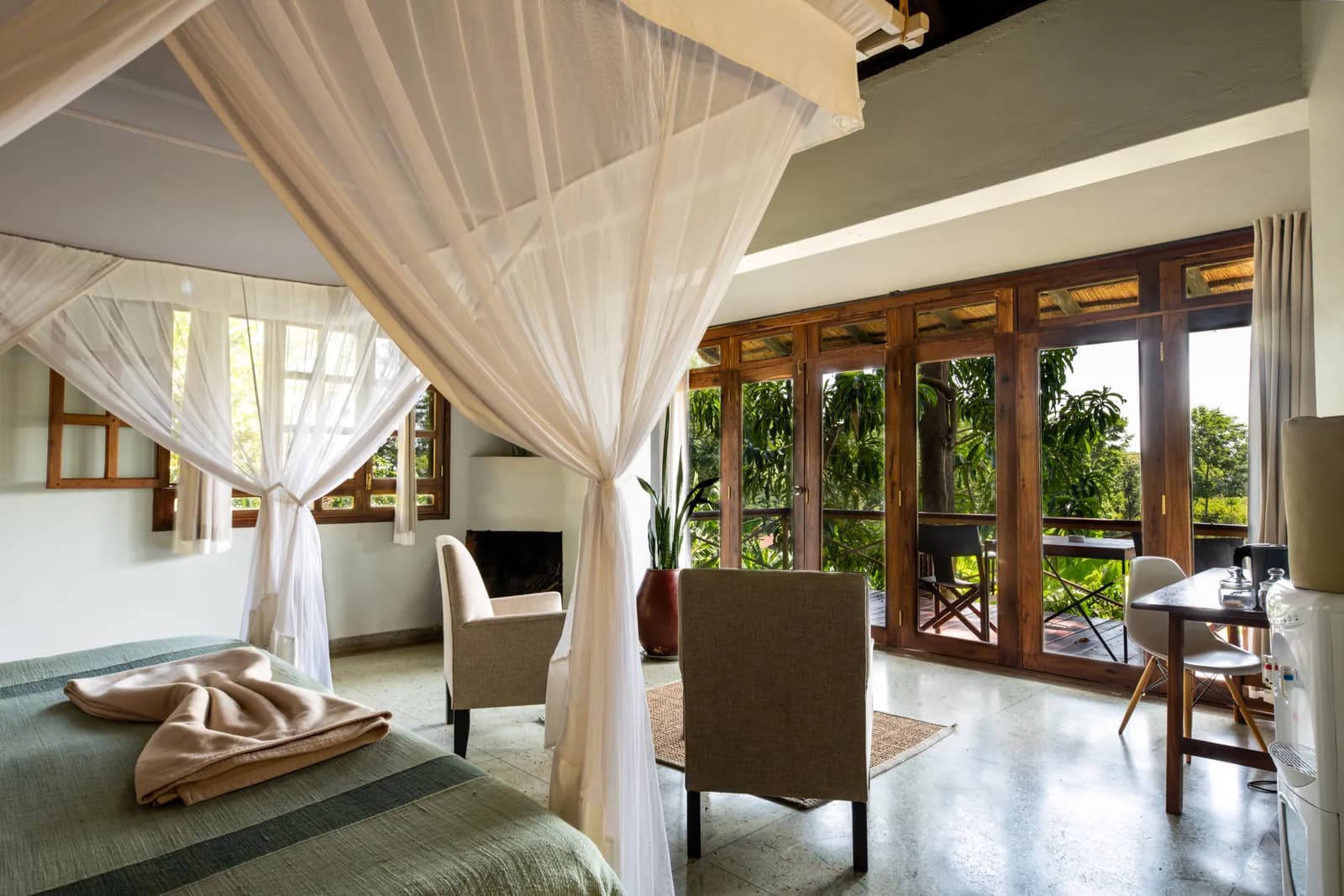
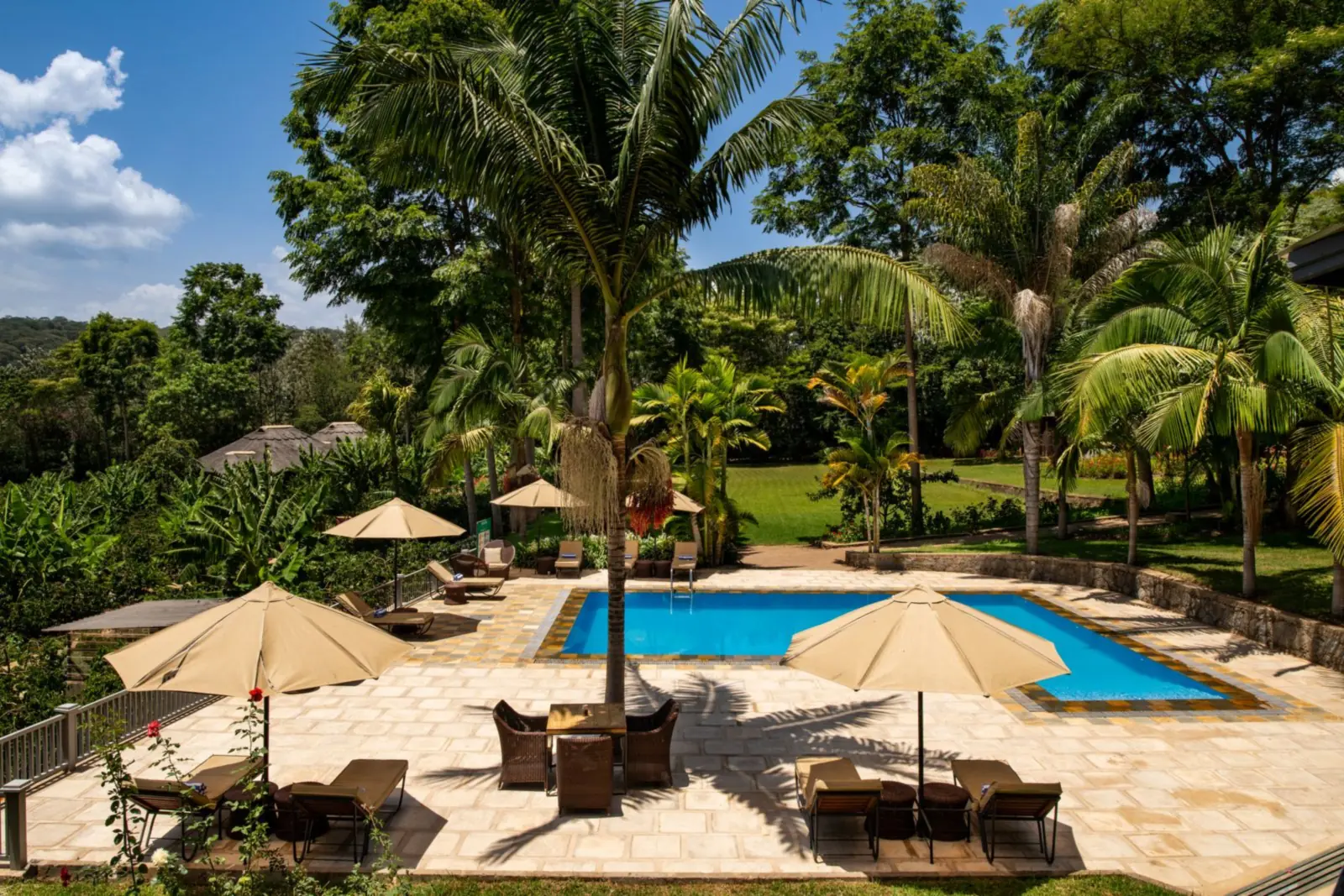
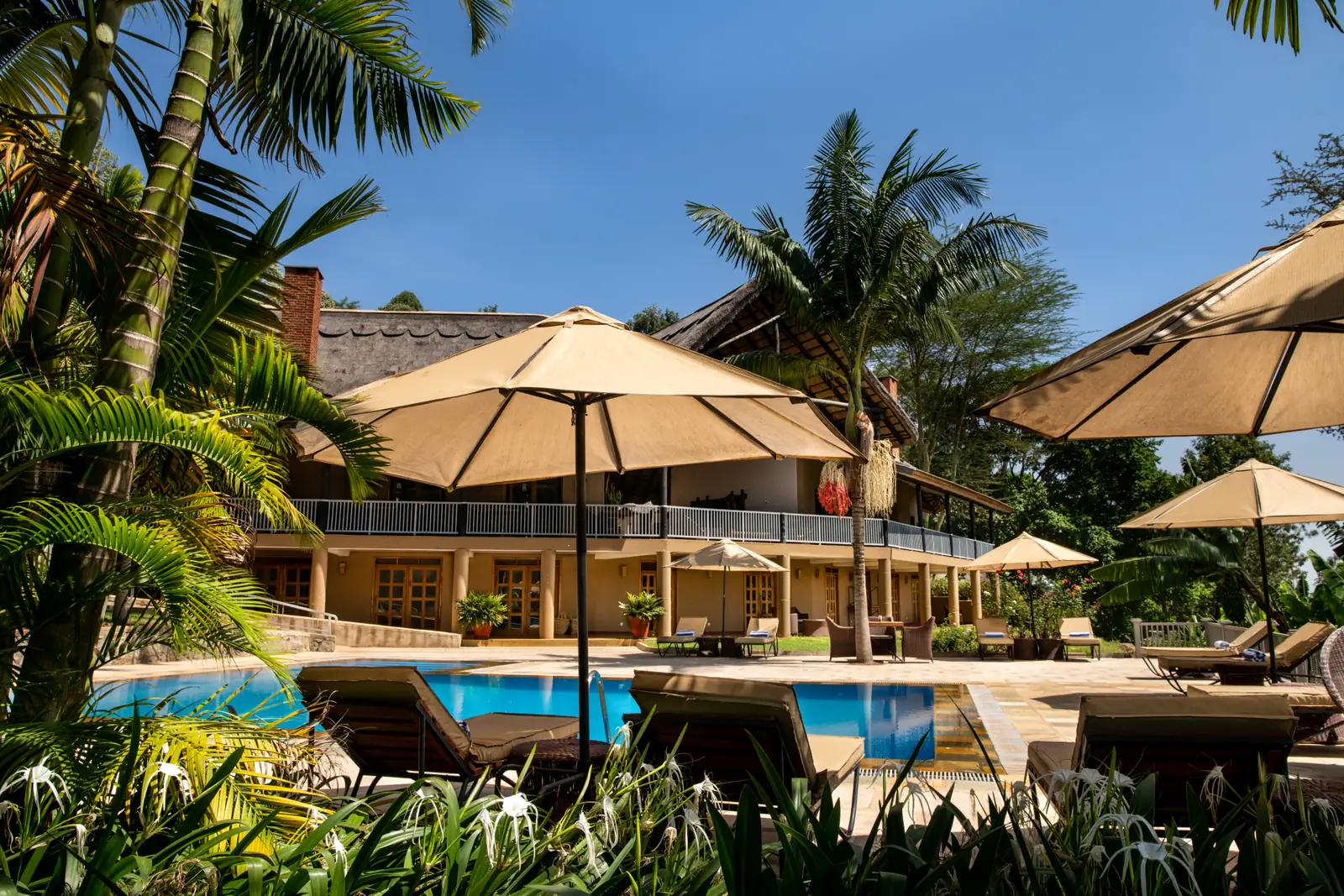
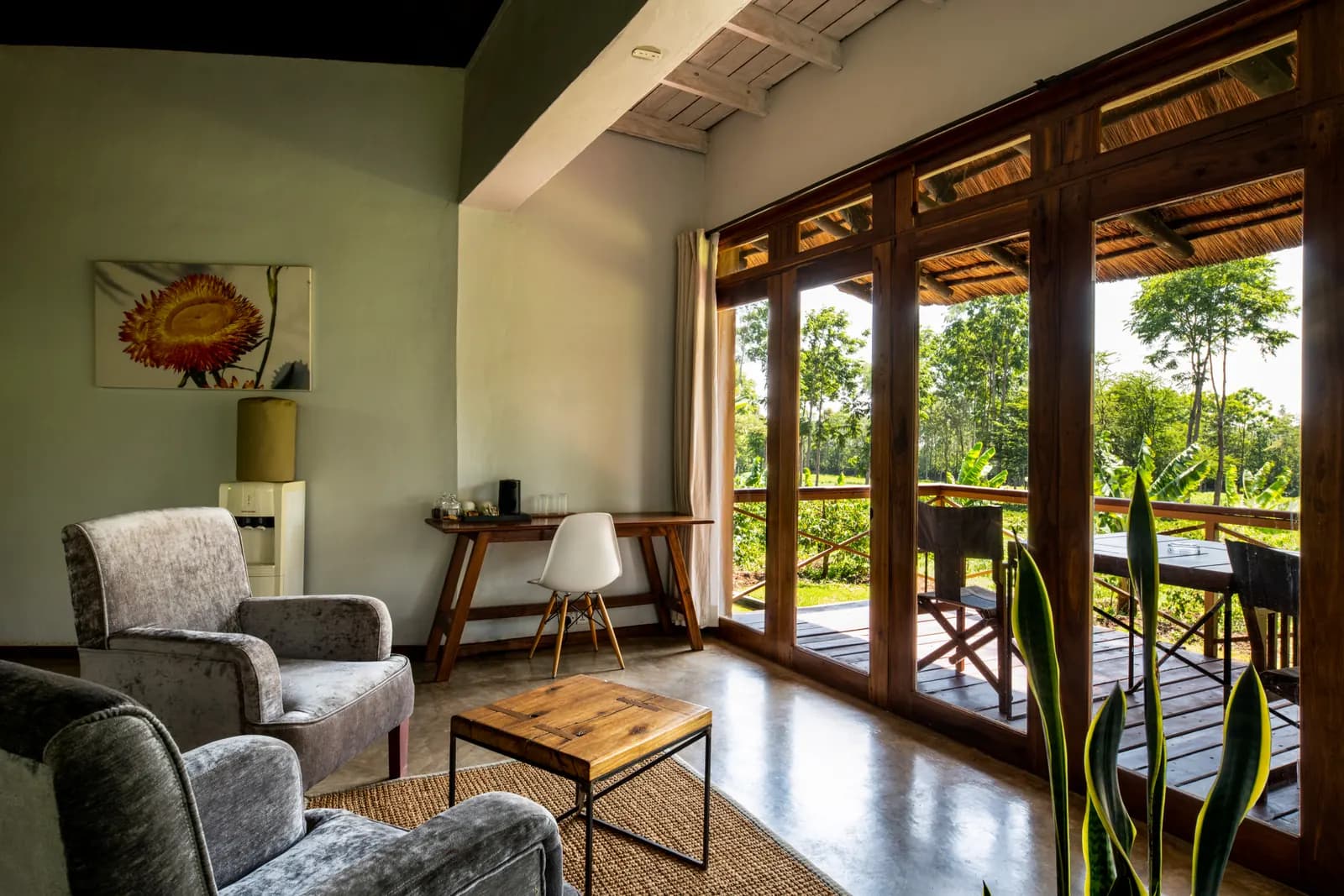
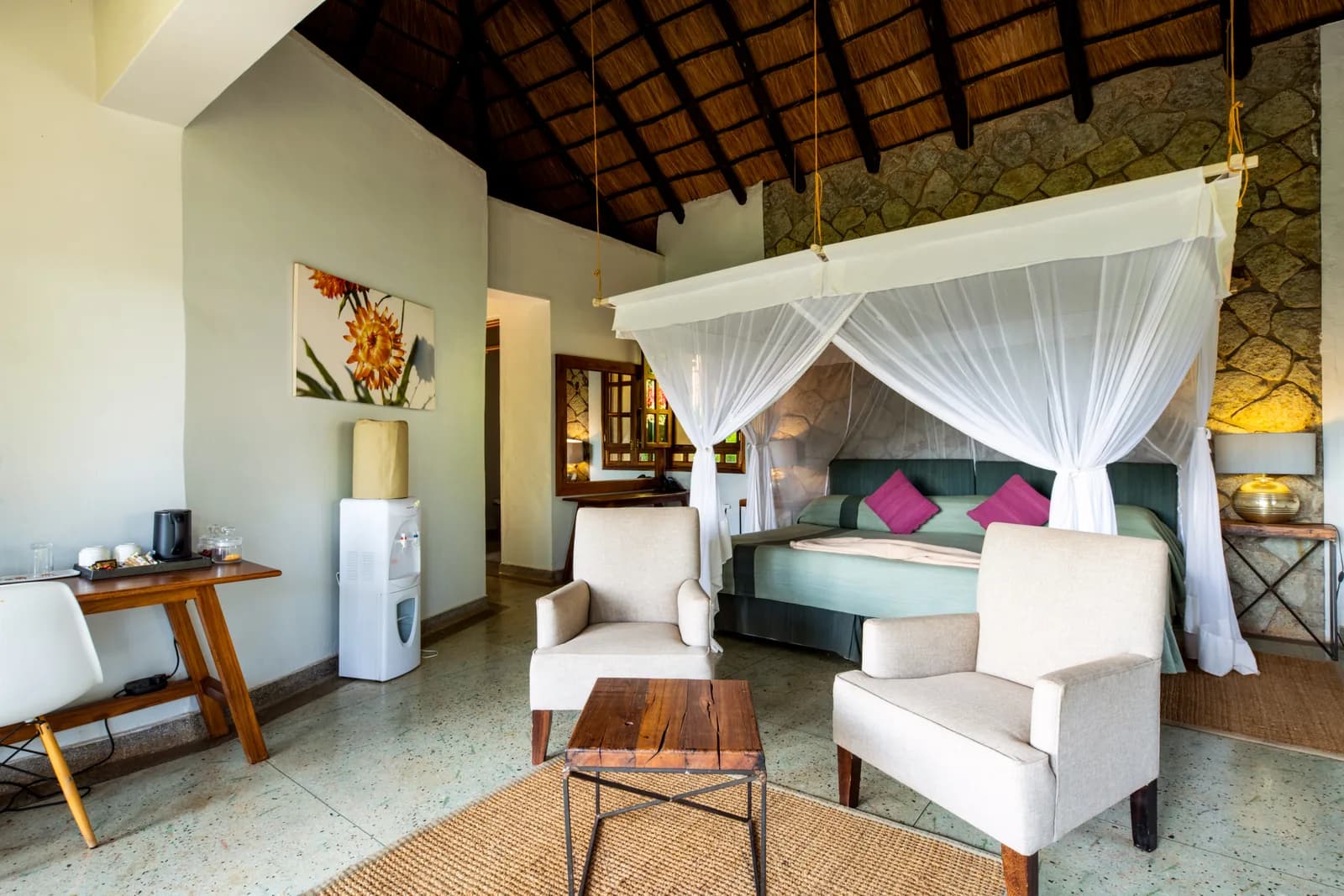
Photos: Tanganyika Wilderness Camps - Pamoja Farm VillaKaratu & NgorongoroMid-range
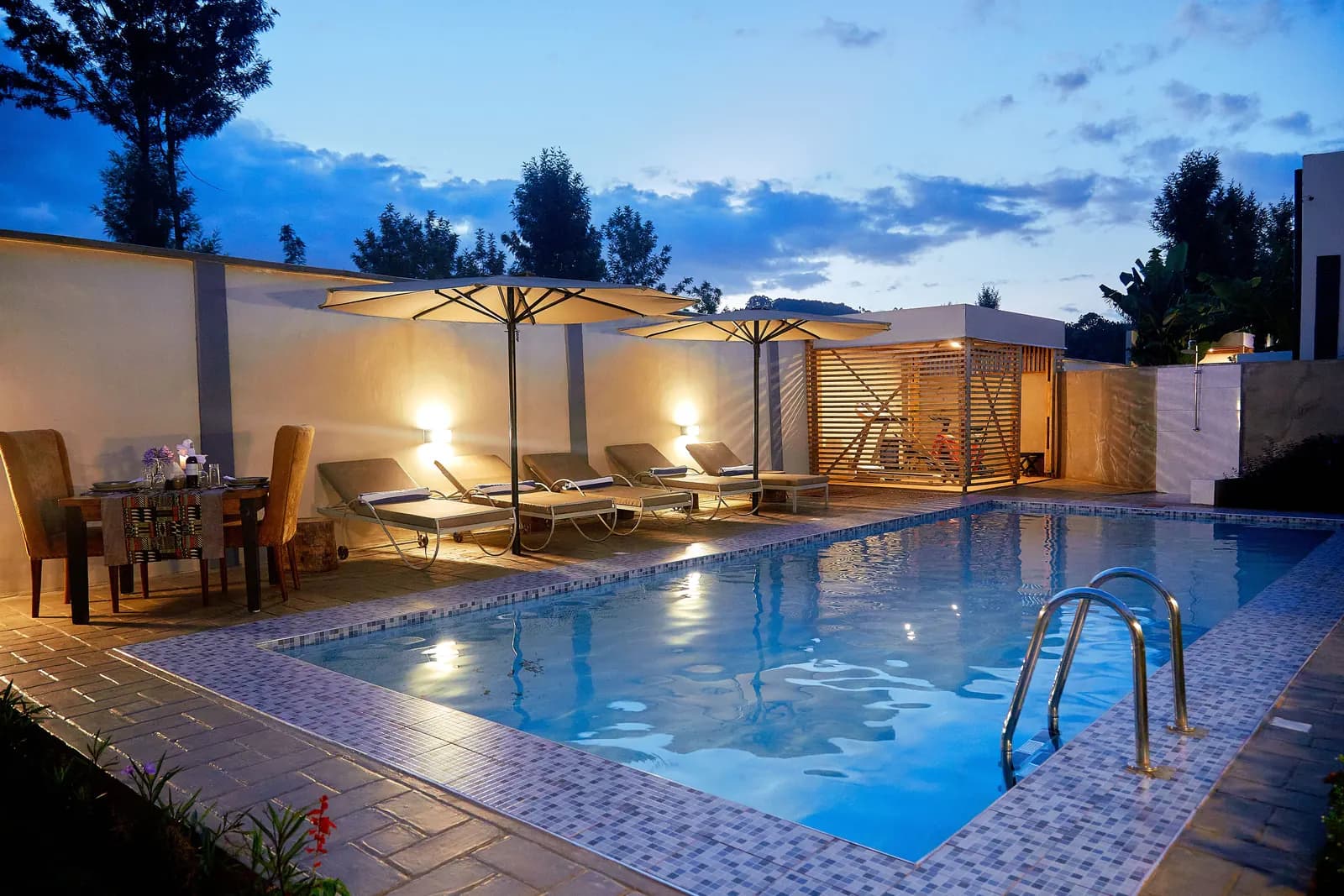
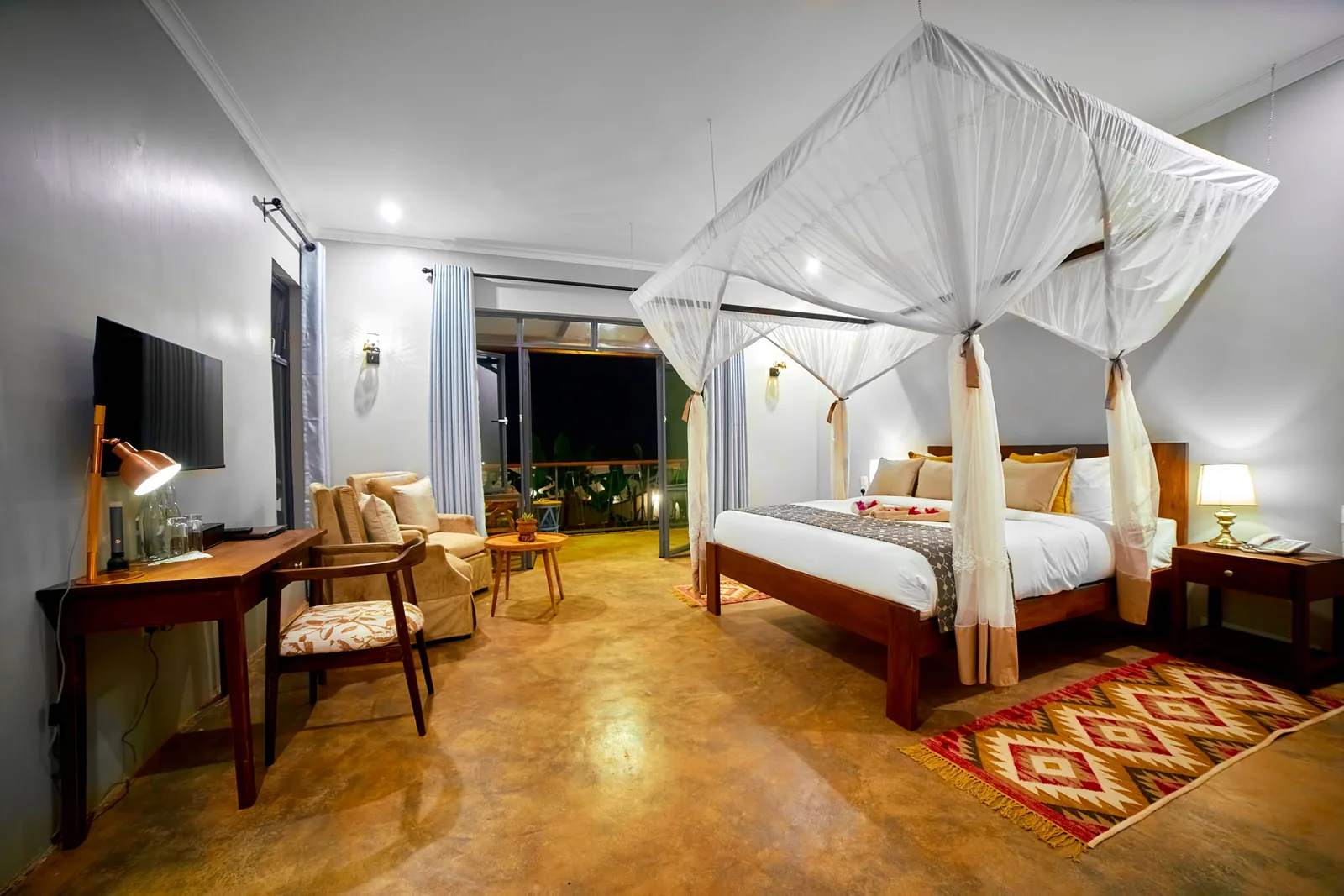
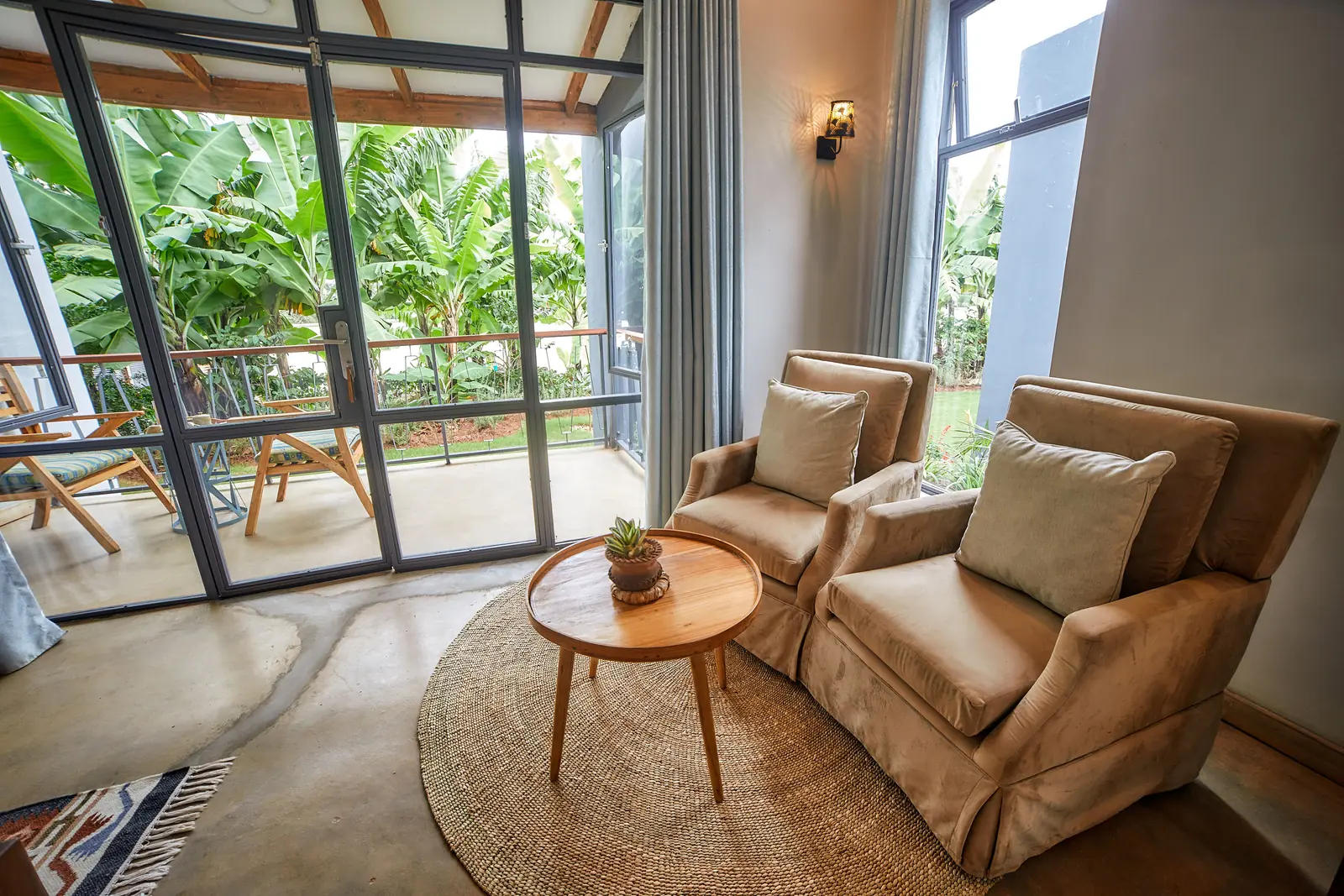
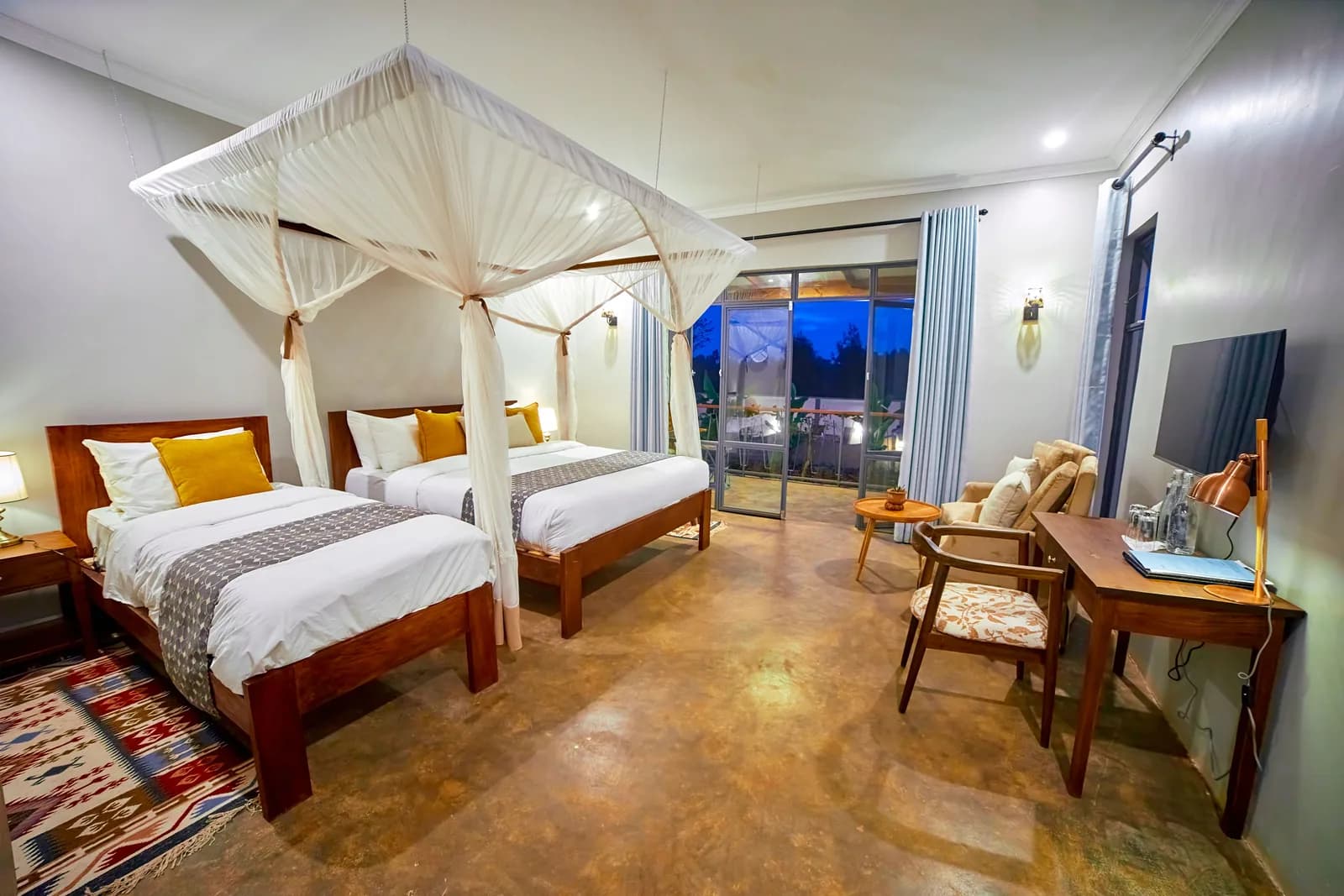
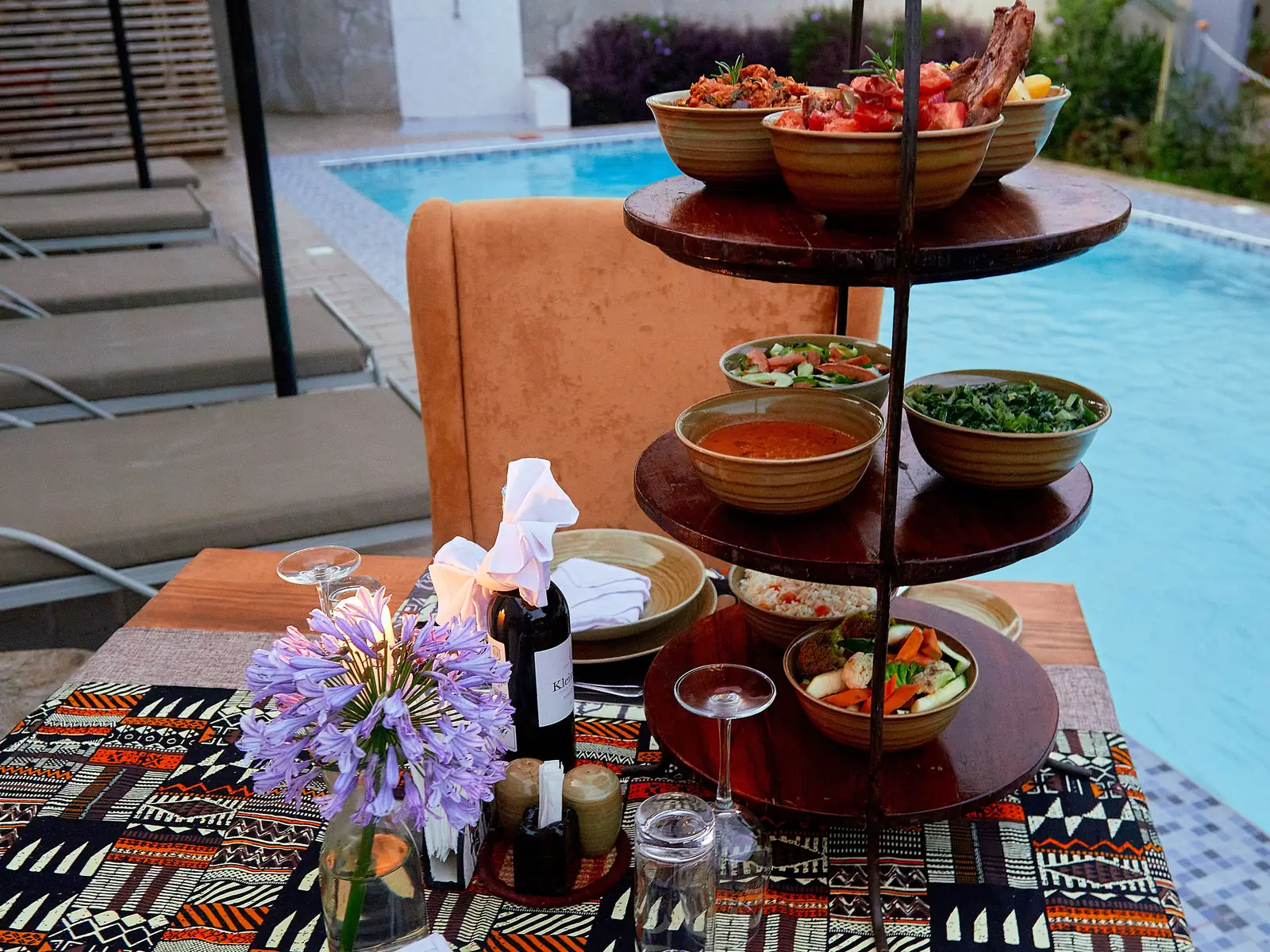
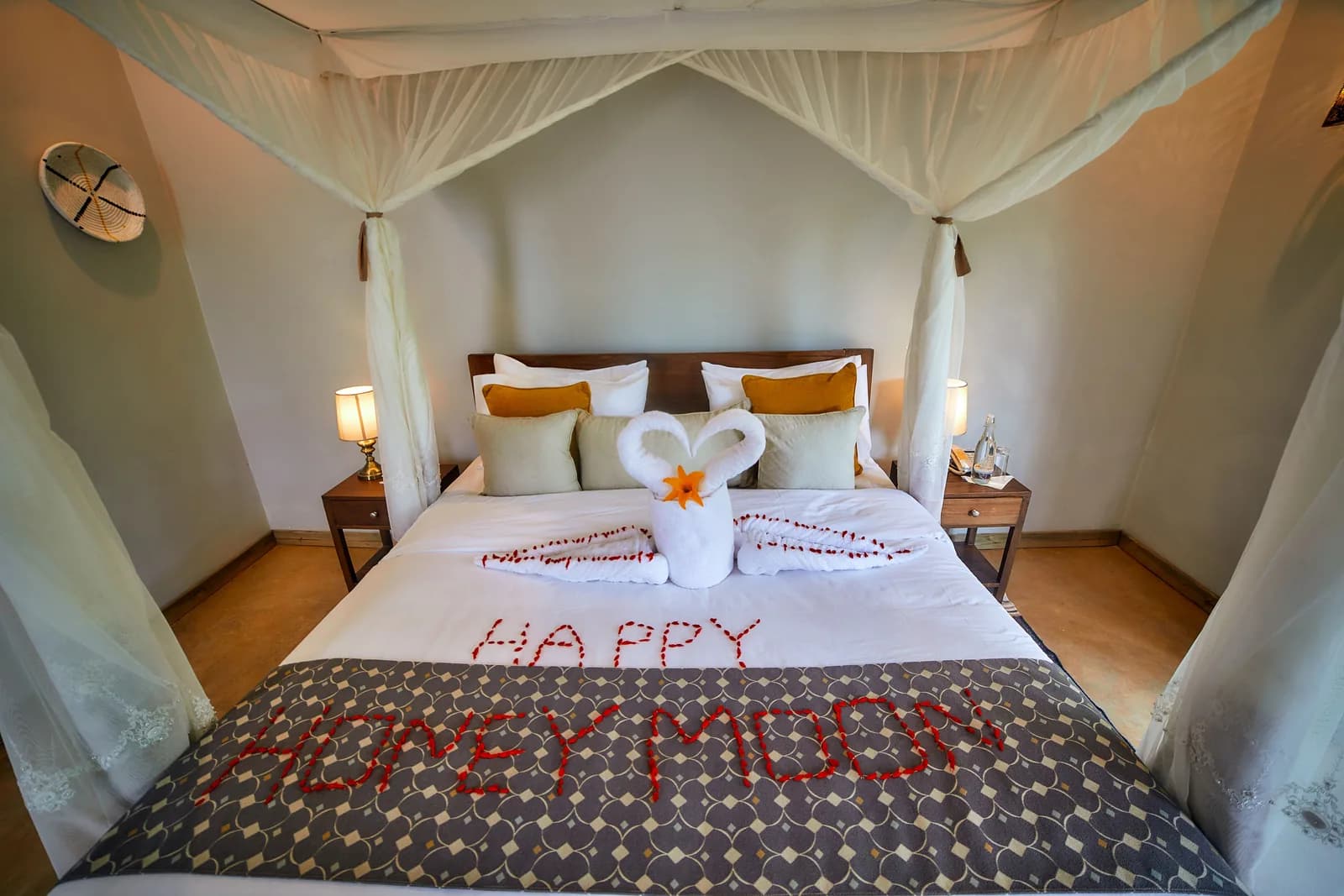
Photos: Pamoja Africa - Ngorongoro Farm HouseKaratu & NgorongoroMid-range
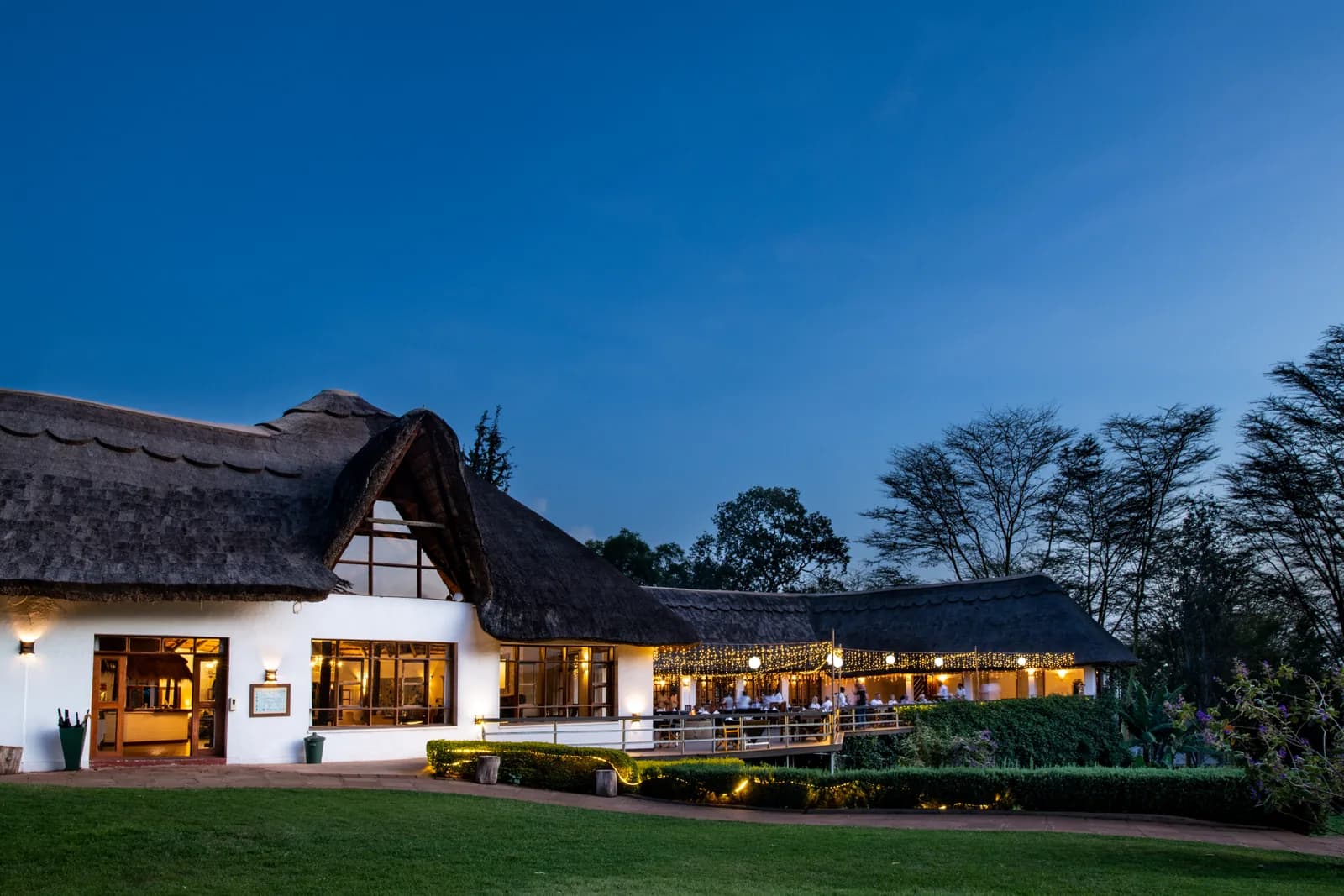
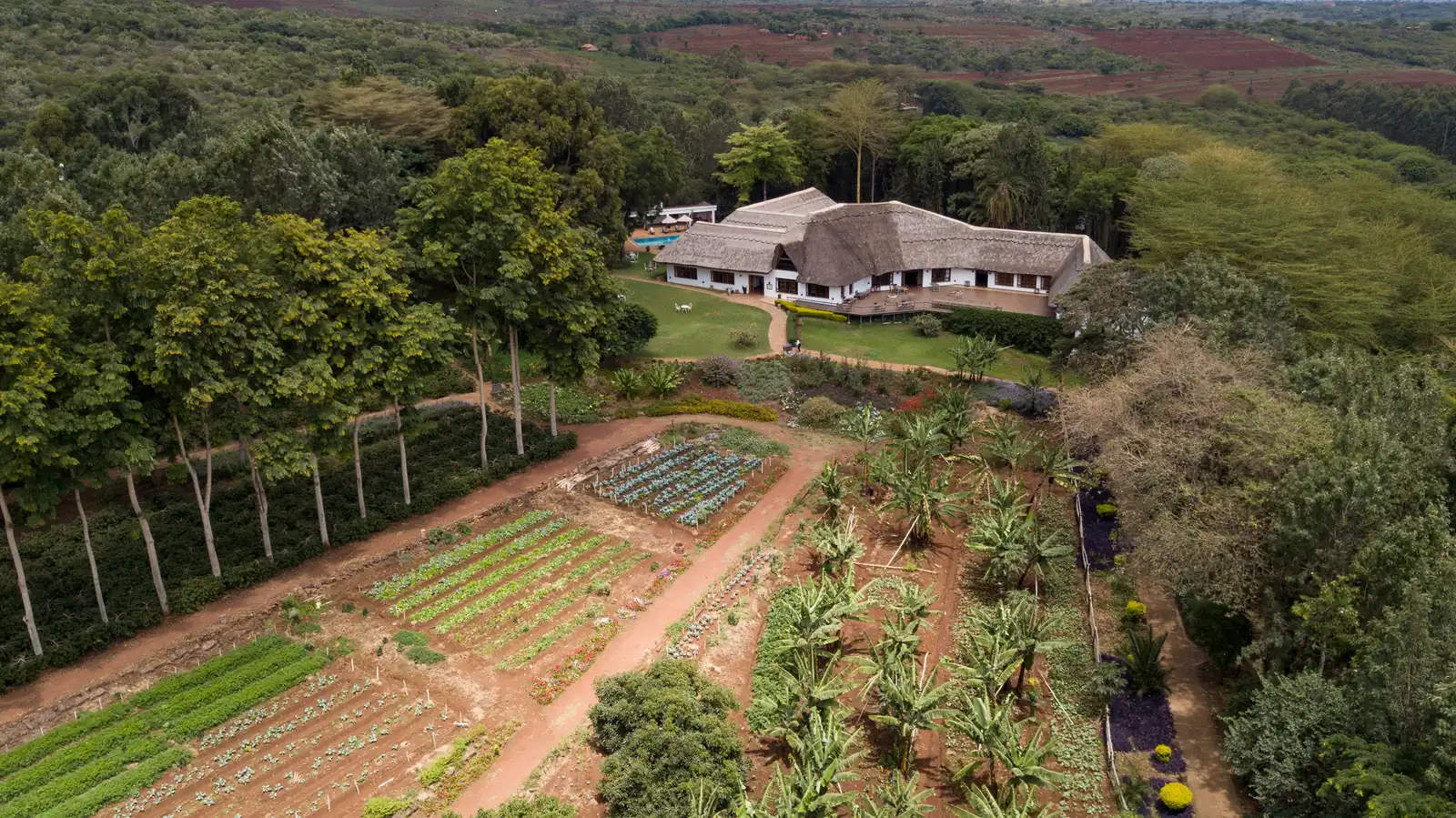
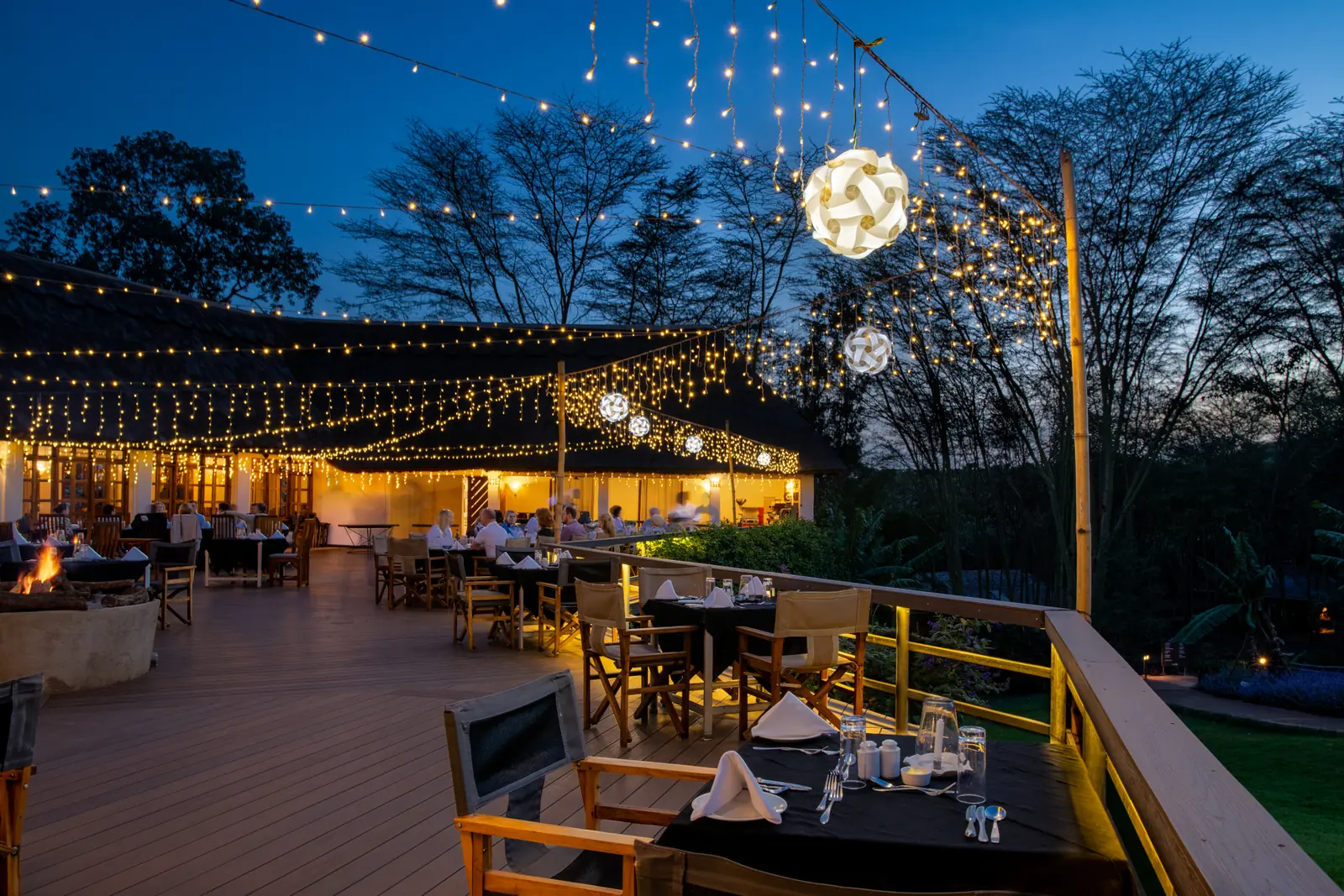
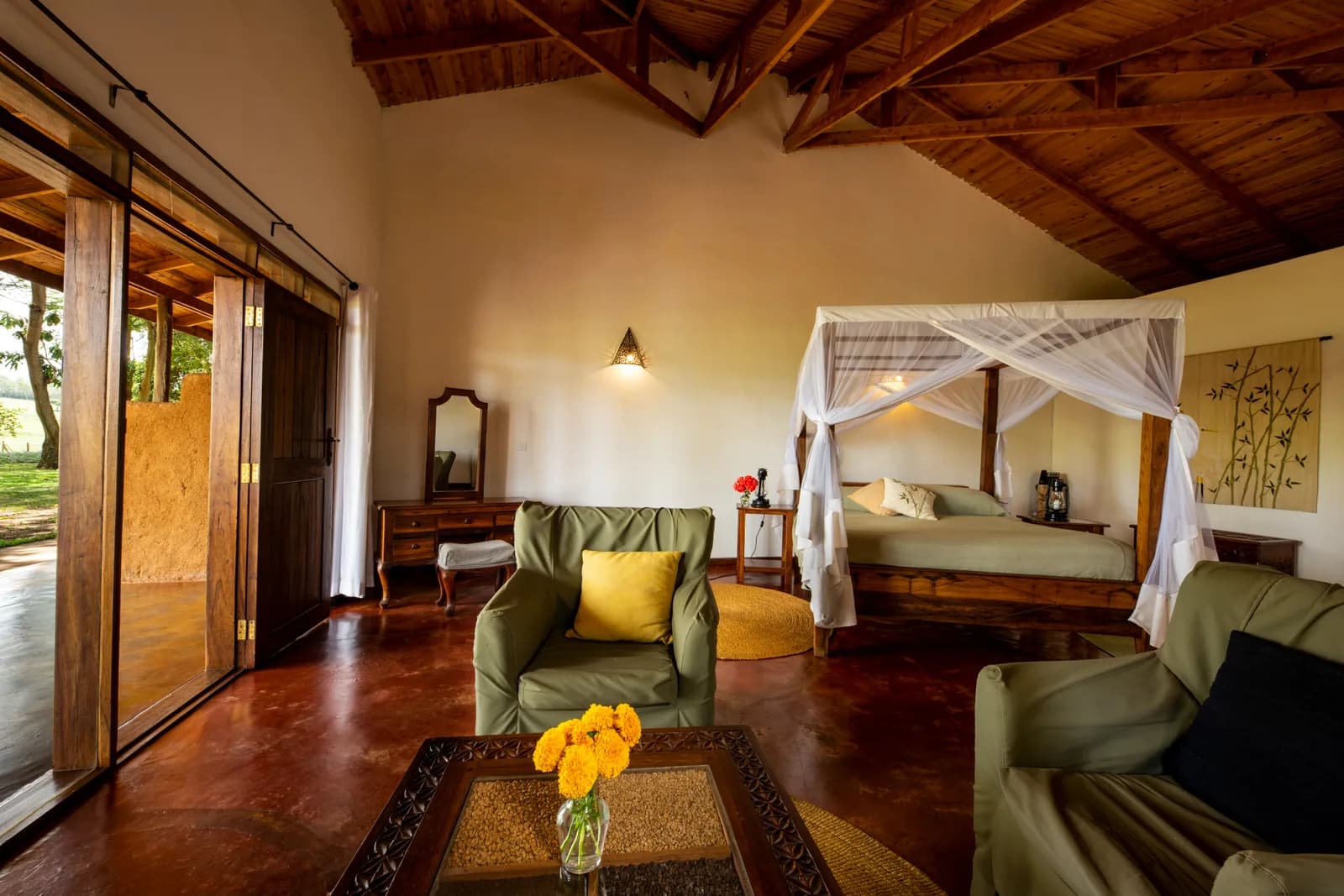
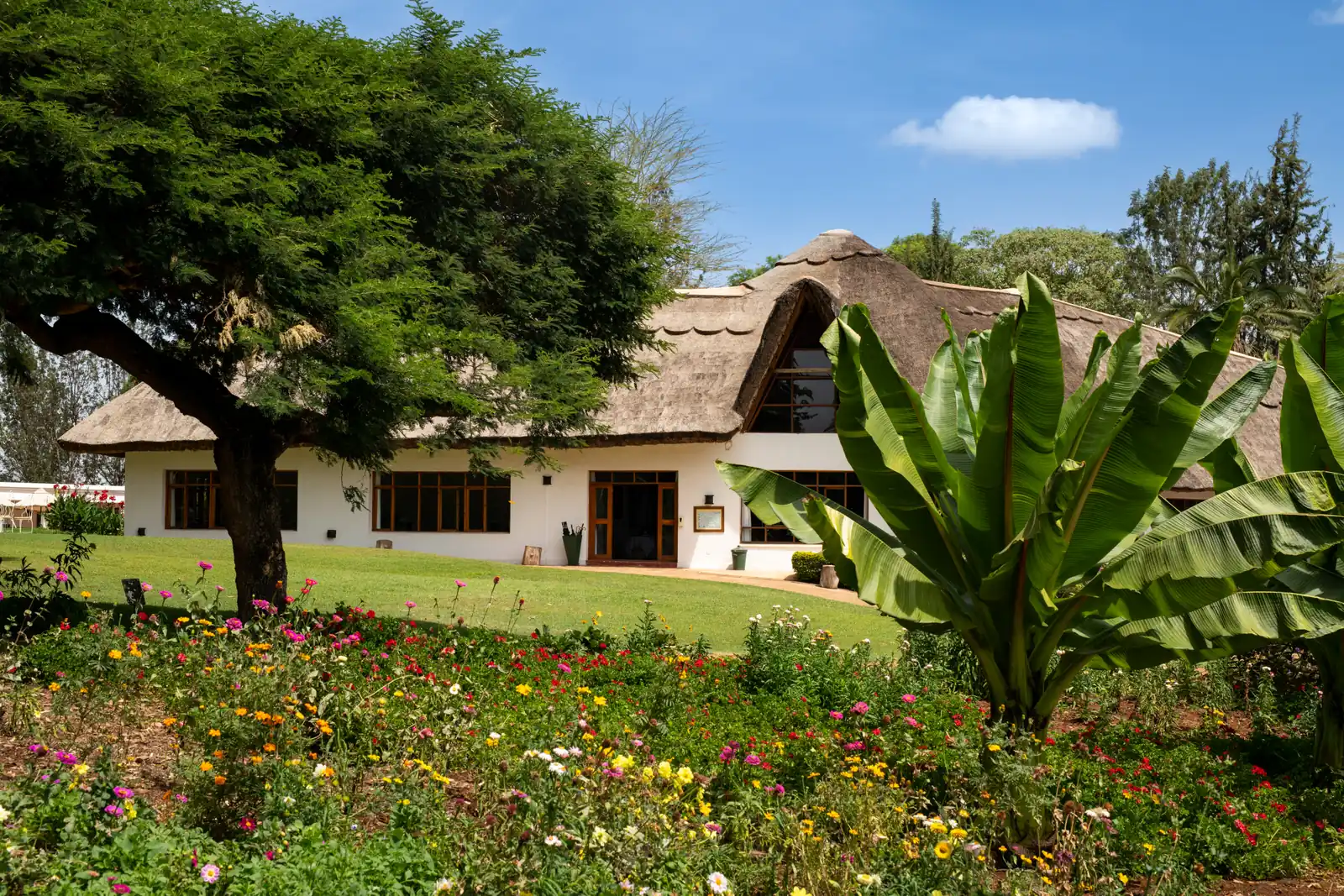
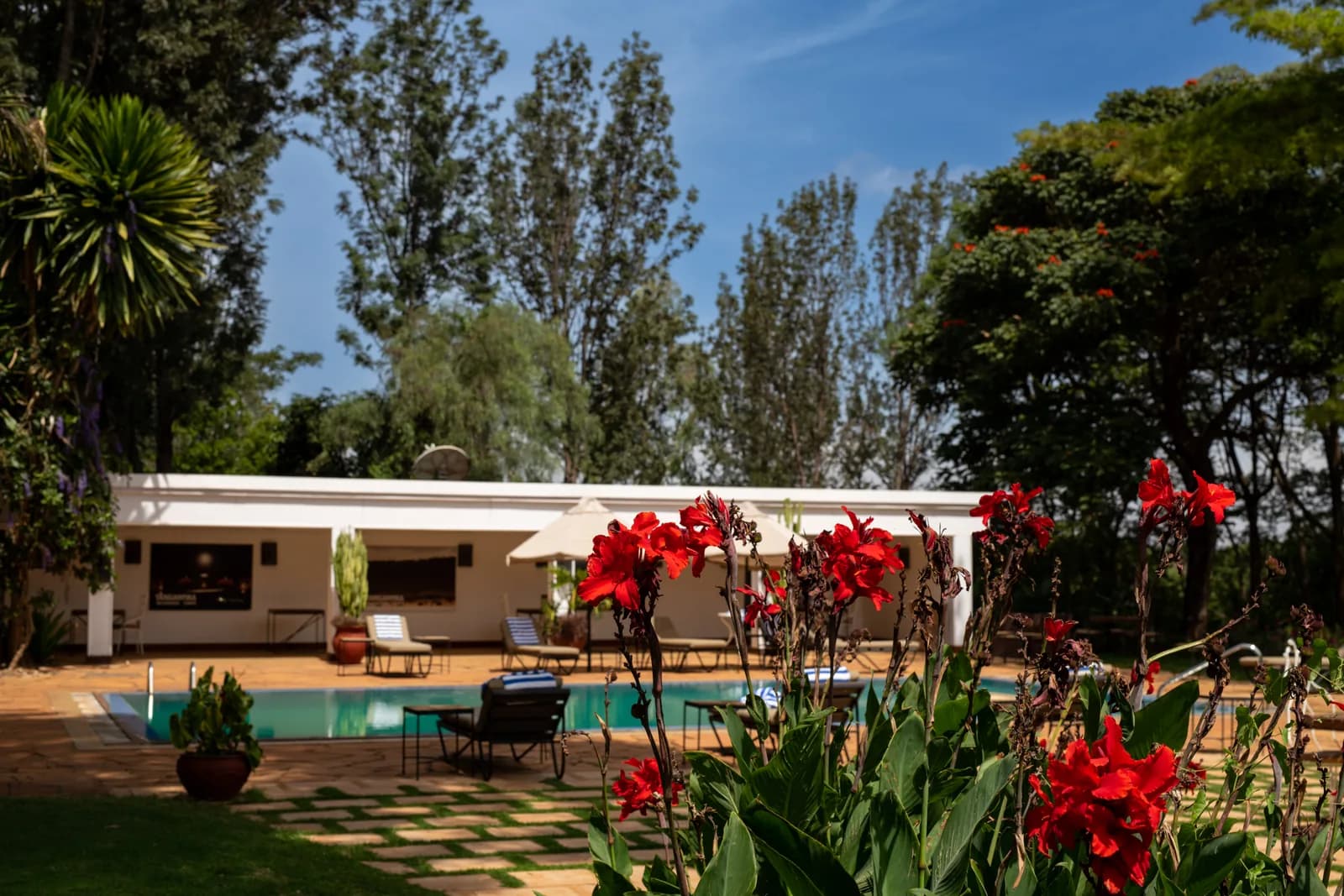
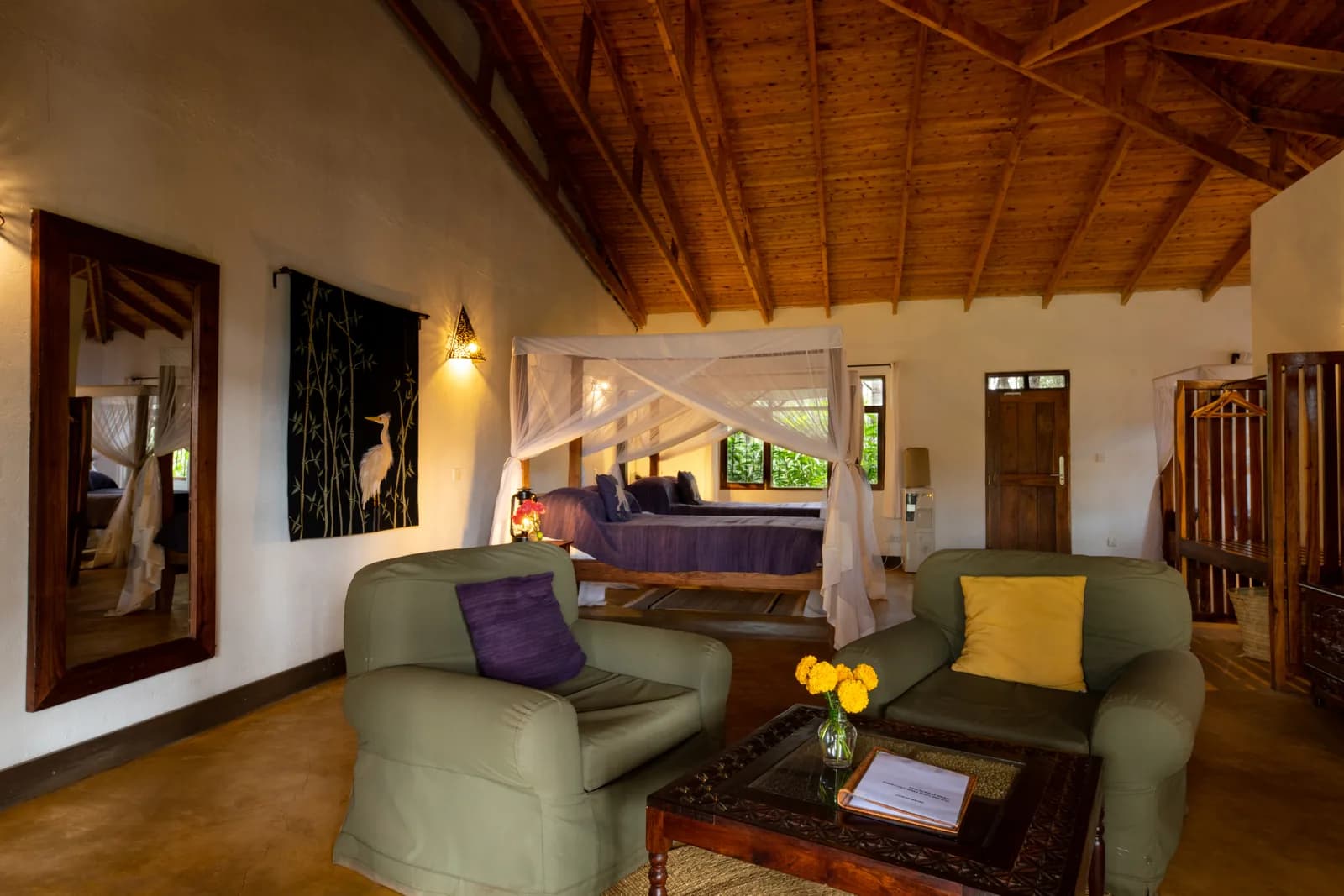
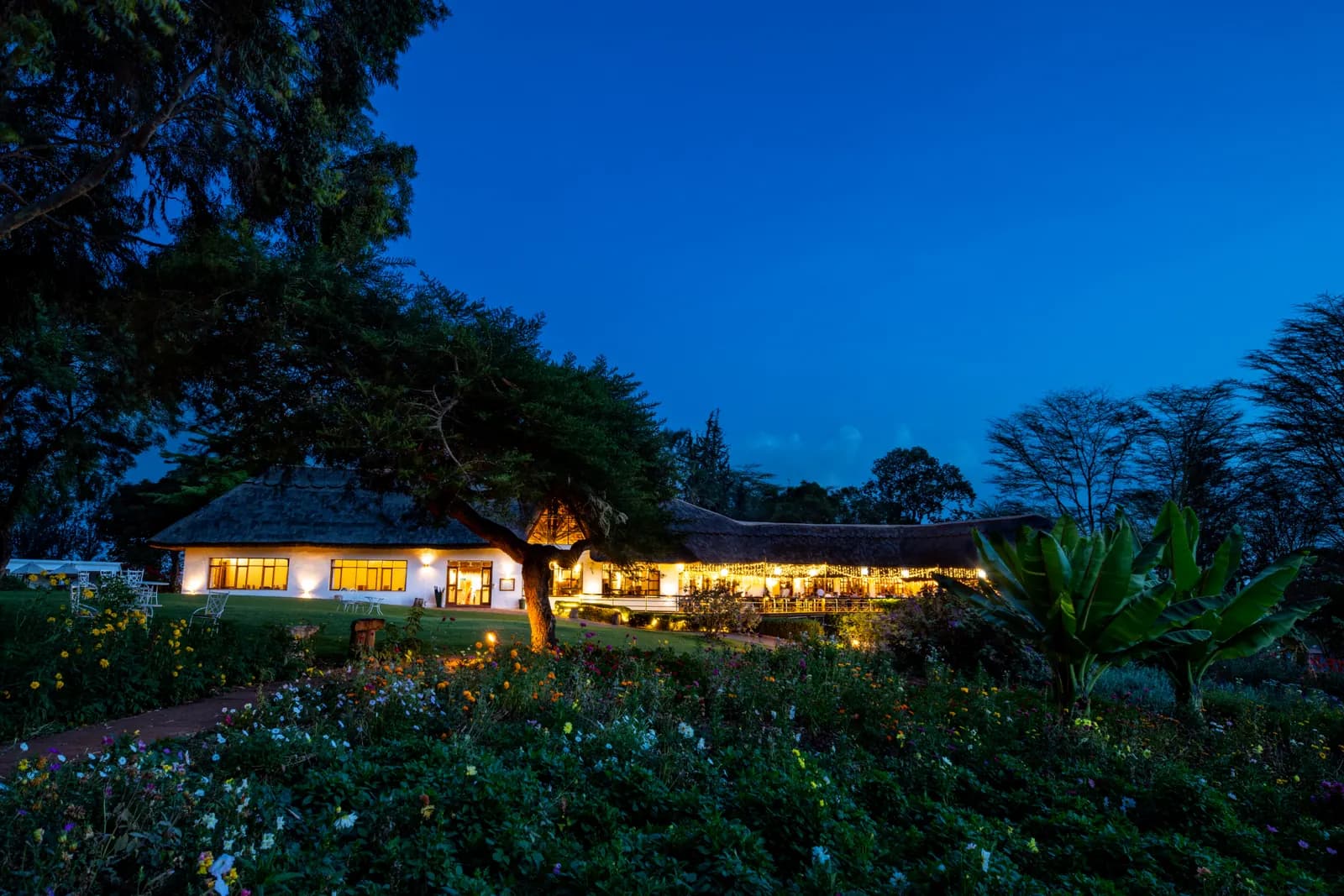
Photos: Tanganyika Wilderness Camps - Meliá Serengeti LodgeCentral SerengetiPhotos coming soonPremium
- Meliá ZanzibarZanzibarPhotos coming soonMid-range
Examples we book, not a fixed list. Which one suits your journey depends on your dates, route and availability, and we quote every stay in your personal price.
What a permanent lodge is
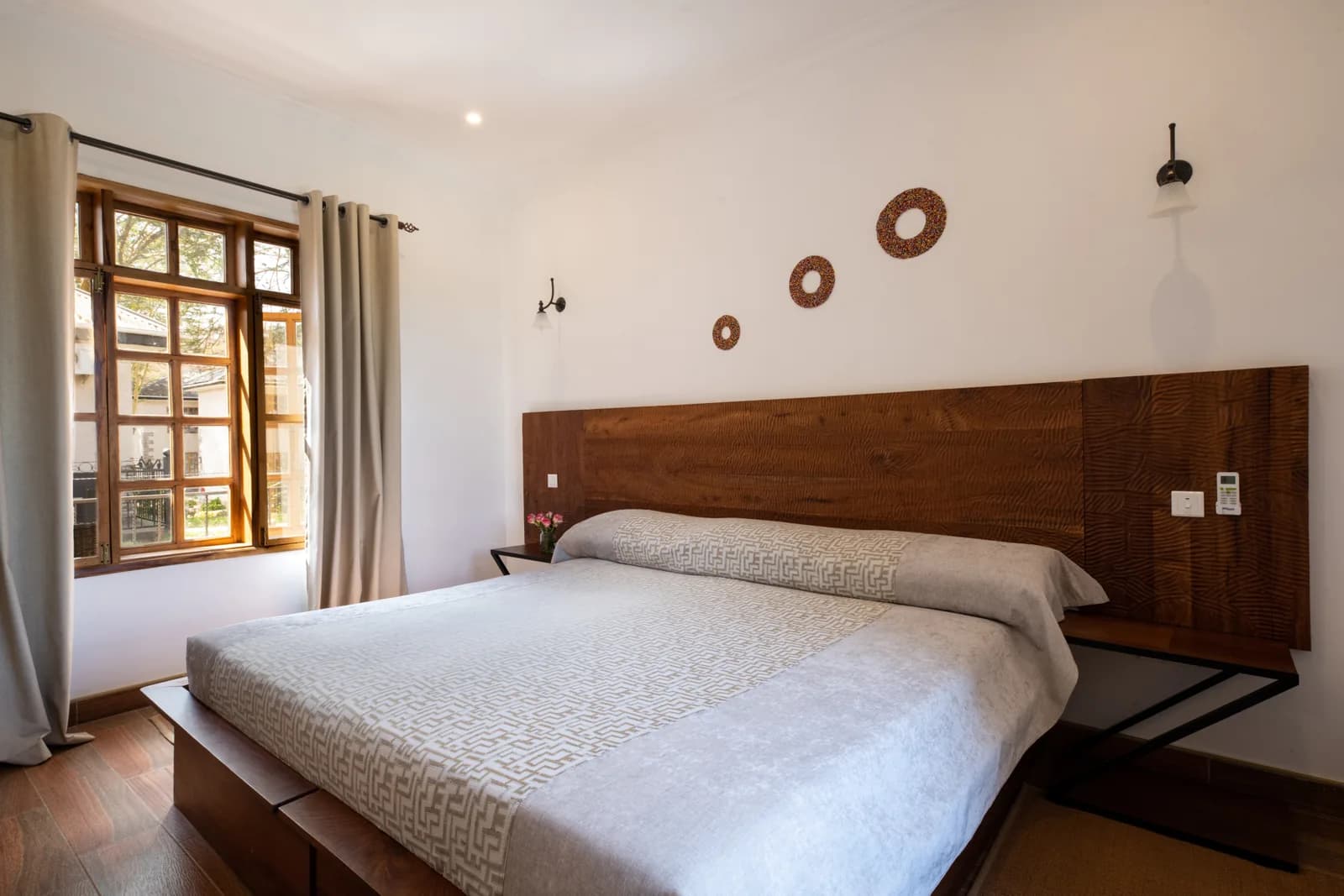
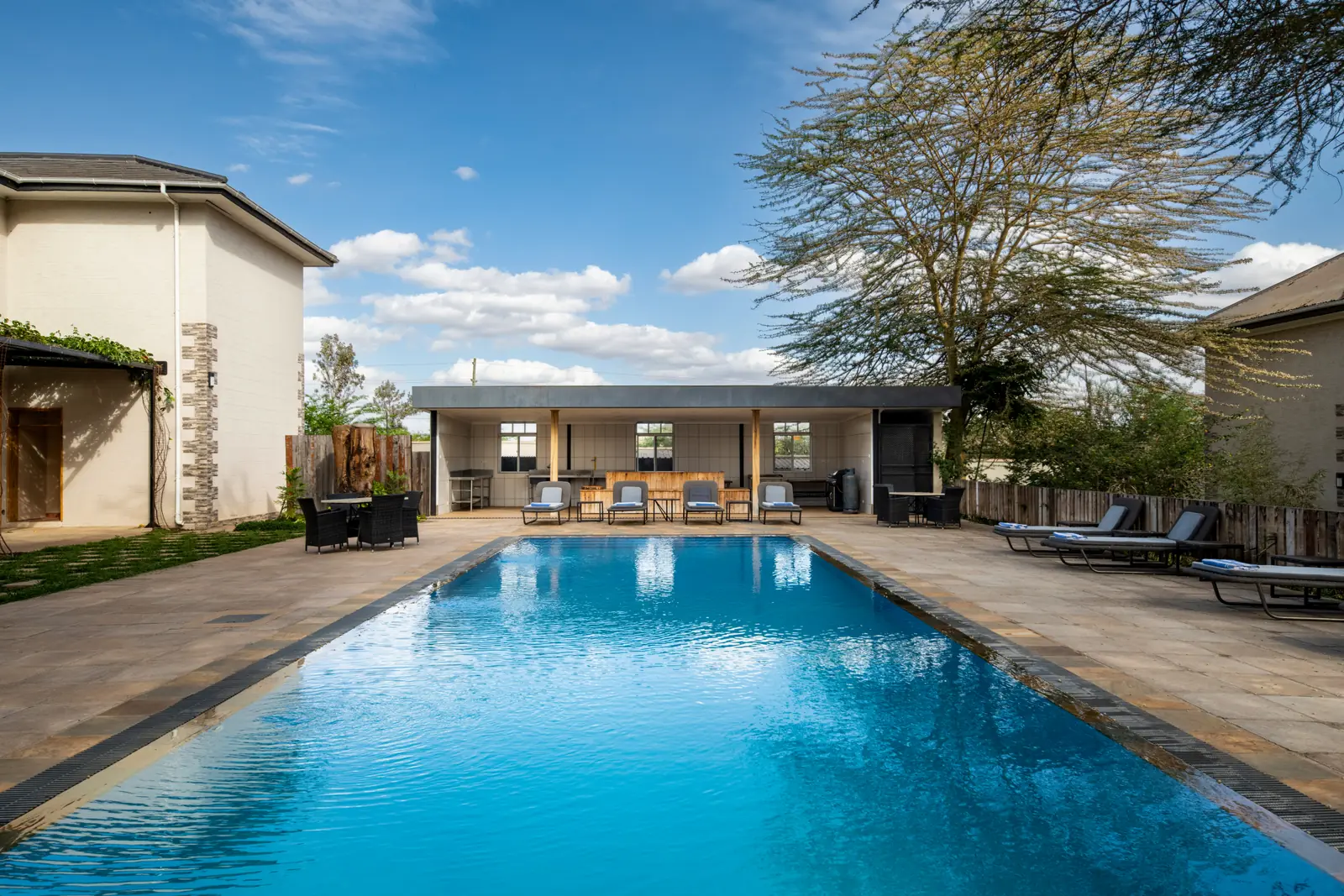
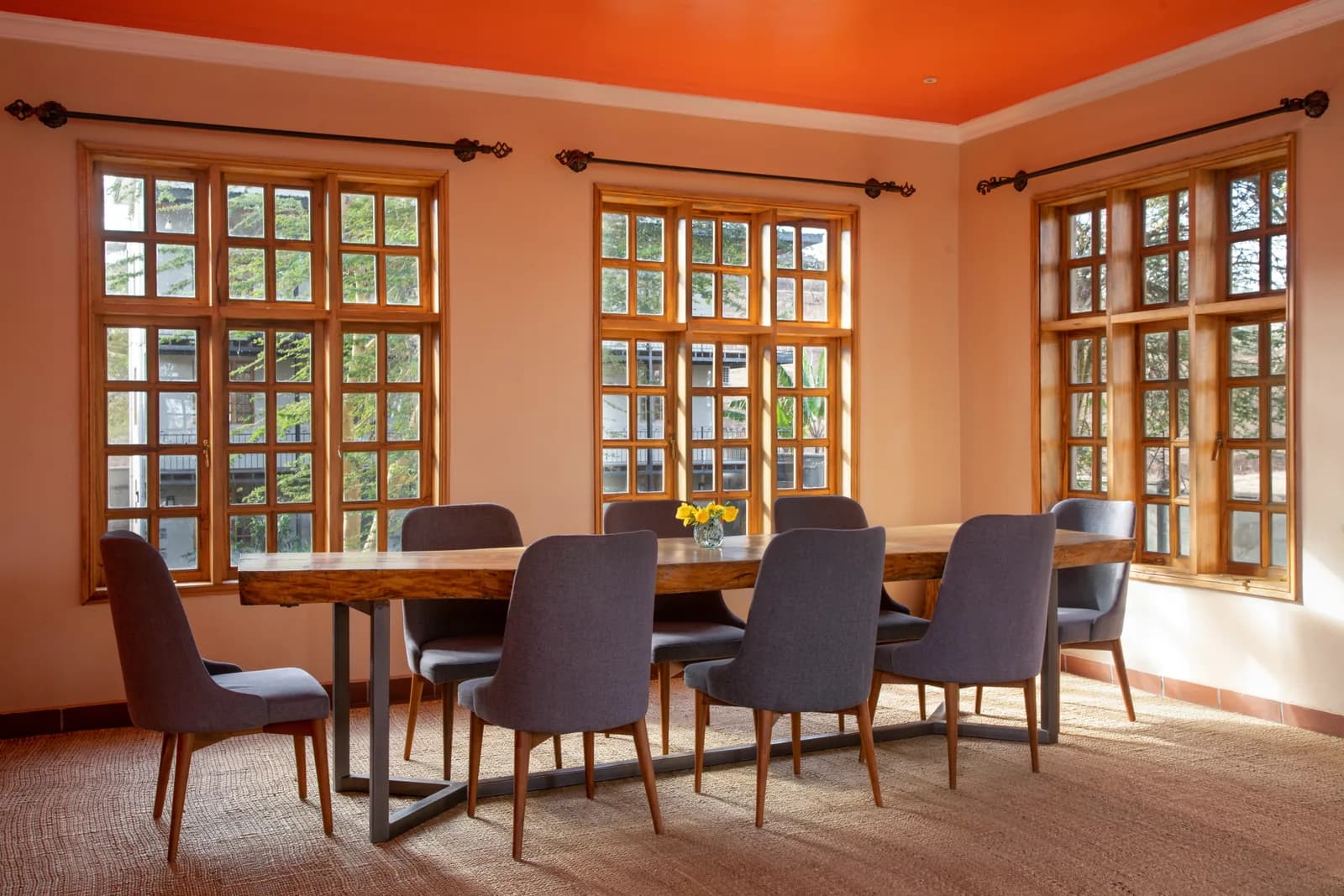
A built lodge, open all year, typically for thirty to a hundred guests. Rooms have walls, a proper bathroom and a door that locks; the main building has a dining room, a bar, usually a pool and often a shop.
They tend to sit on the edges of parks or on high ground with a view (the rim of the Ngorongoro Crater is the classic example) rather than deep in the bush. That is partly why they can offer what they do: roads, water and power are easier to bring to the edge than the middle.
What you get
- Reliable power and wifi: charging in the room, and a connection that works for messages and email.
- Family rooms: connecting or larger rooms, so parents and children can share without squeezing into two tents.
- A pool and space to rest: somewhere to spend the hot middle of the day, which matters more with children than people expect.
- Predictability: the same standard of room, shower and meal every night, whatever the weather.
- Every season: open through the long rains, when many tented camps close or become hard to reach.
- Location on the rim or the edge: at Ngorongoro especially, a rim lodge puts you at the crater road first thing.
What you trade away
Size changes the feel. Dining rooms are busier, meals run at set times, and at breakfast you will see how many other vehicles are about to leave for the same park. Staff are good, but there are more guests per guide and per waiter than at a small camp, and flexibility is harder.
Position is the other cost. A lodge on a park edge is often a longer drive to the best game than a camp inside, and in the Serengeti that can mean an hour or more each way. On a short trip that adds up.
Why they carry April and May
The long rains run roughly from April into May. It is the quietest, greenest and cheapest part of the year, and the one where camps under canvas struggle most: some close, some become hard to reach, and a tent in steady rain is less romantic than it sounds.
Permanent lodges stay open and comfortable through it. If you are travelling in those months, most of your nights will be in lodges, and that is a strength of the plan rather than a compromise.
Where it's worth it, and where it isn't
Worth it: families, above all, because walls, a pool and family rooms make a safari with children work. First safaris, where predictability lets you concentrate on the animals. Travellers who want comfort and a known routine. And April–May, when a lodge is simply the right tool.
Less worth it: the height of migration season in the central and northern Serengeti, where a lodge on the edge can leave you driving while a smaller camp is already with the herds. And anyone who came for the feel of the bush: a hundred-guest dining room is not that.
Most of our journeys use at least one. A lodge on the Ngorongoro rim, for instance, sits comfortably next to a smaller camp in the Serengeti.
Questions travellers actually ask
Usually the best option. Most have family rooms or connecting rooms, a pool for the middle of the day, and walls between your children and whatever walks past at night. Tell us ages and we will check each lodge's policy rather than assume.
Far more than in a tented camp: mains or generator power, charging in the room, and wifi that works for messages and email. It can still be slow, and some lodges keep it to the main areas. Do not plan video calls around it.
More than a small camp does, yes. Dining rooms are busier, meals run at set times, and you will see other guests. The better lodges keep the feel of the place, but a hundred-guest lodge is never going to be intimate. If that matters, mix in a smaller camp for the nights that count.
It can be, and permanent lodges are what make it work. It is the long rains: fewer vehicles, lower prices and green country, but some roads get hard and many tented camps close. A lodge with solid walls stays open and comfortable, and that is where we would put you.
The other ways to sleep in the bush, and how to plan a safari around children.