Lake Manyara
A narrow strip of groundwater forest, escarpment and soda lake. A very good half day, and honest about not being more than that.
What it is, honestly
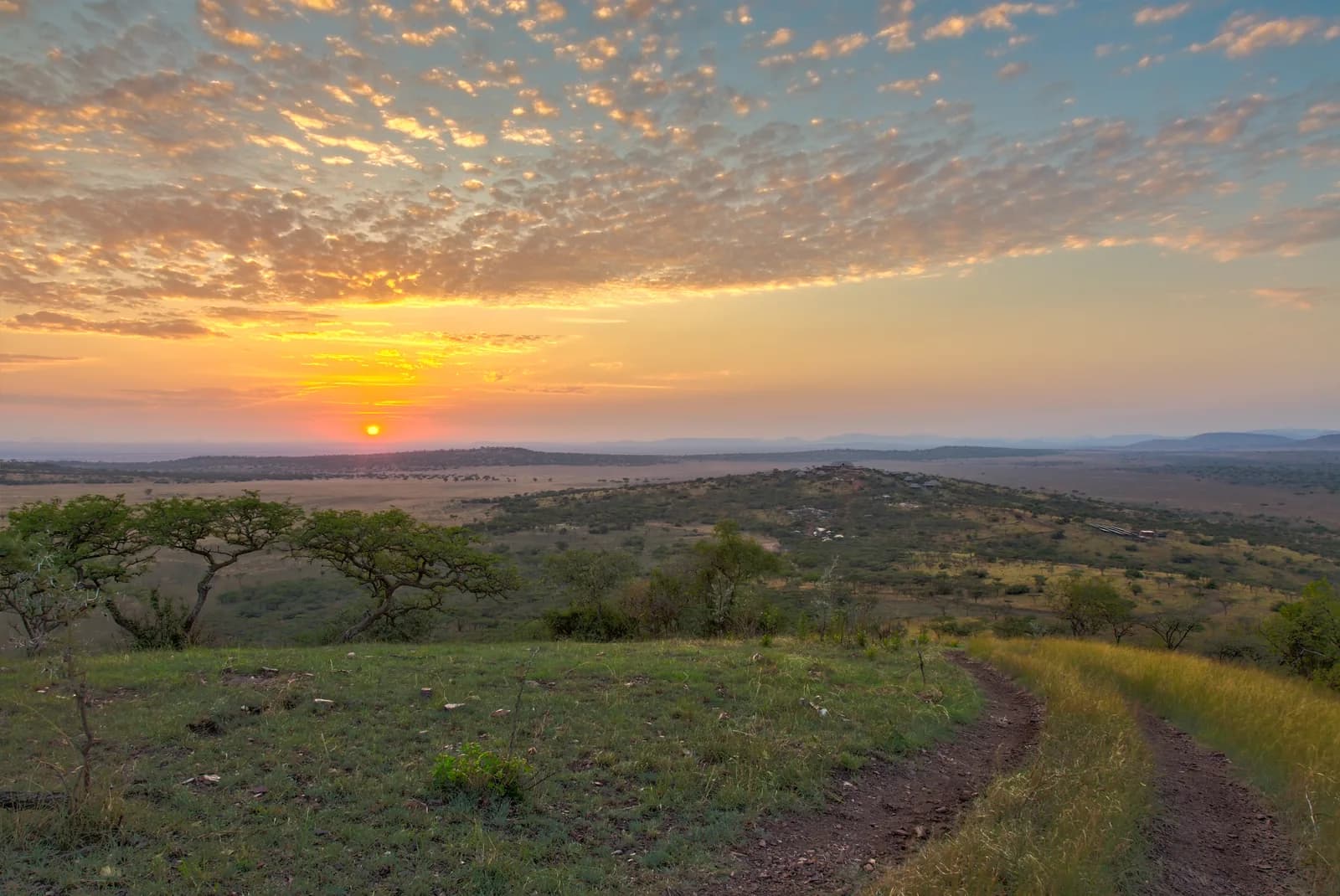
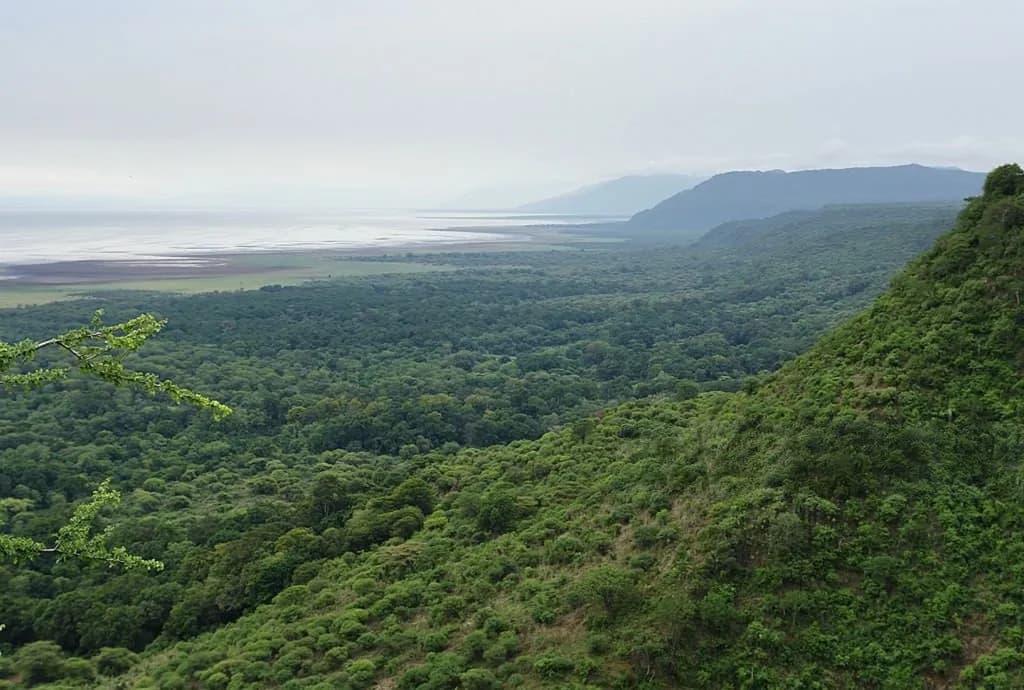
Manyara is small and unusually shaped: a thin band of land between the Rift Valley wall and a large shallow soda lake. Two thirds of the park is the lake itself, so the drivable area is compact and one circuit covers most of it.
We are direct about this because travellers are sometimes sold Manyara as a full safari day and come away underwhelmed. Treated as a half day between Tarangire and the highlands, it is a genuinely lovely addition. Treated as a headline destination, it disappoints.
What makes it different
The entrance road runs through dense groundwater forest fed by springs at the base of the escarpment, with figs, mahogany and troops of baboons in the hundreds. Nowhere else on the circuit begins in closed forest, and the contrast with the open lake shore a few minutes later is the point of the park.
Wildlife
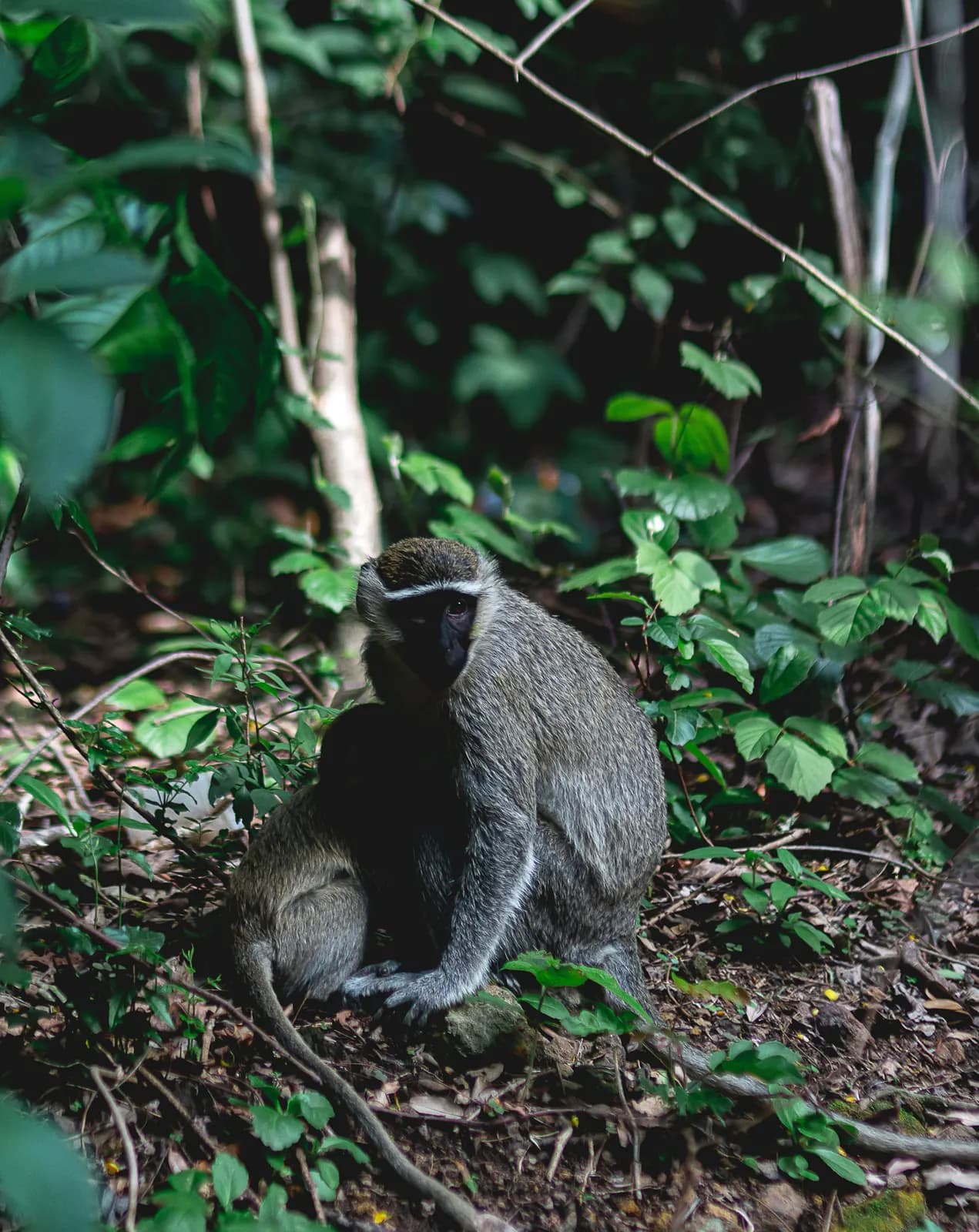
- Very large baboon troops, and blue monkeys in the forest canopy.
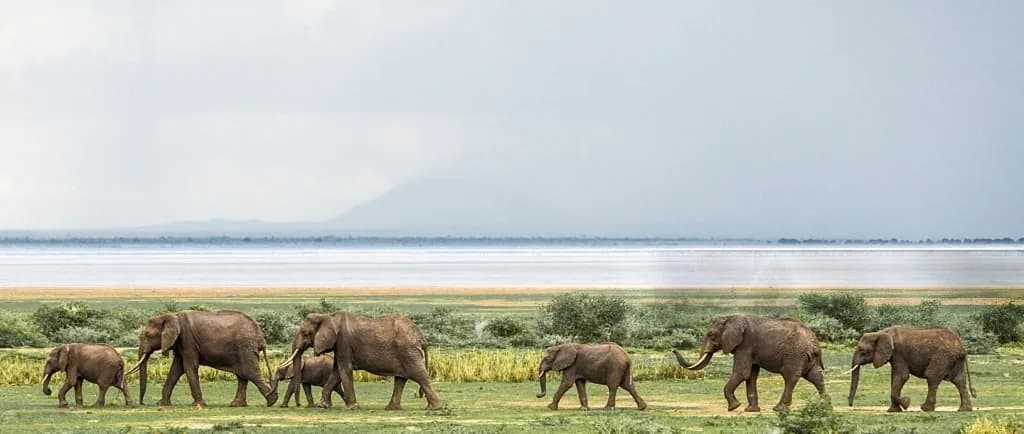
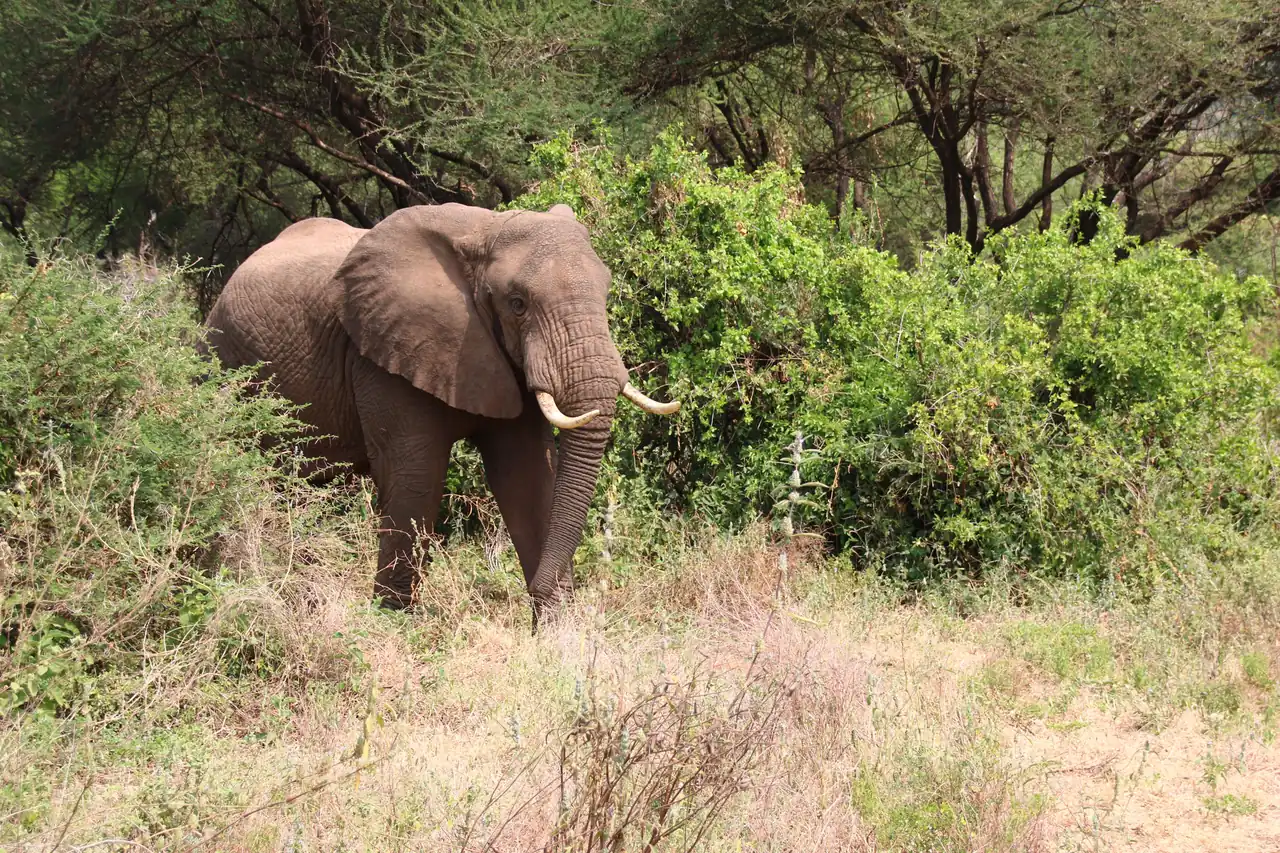
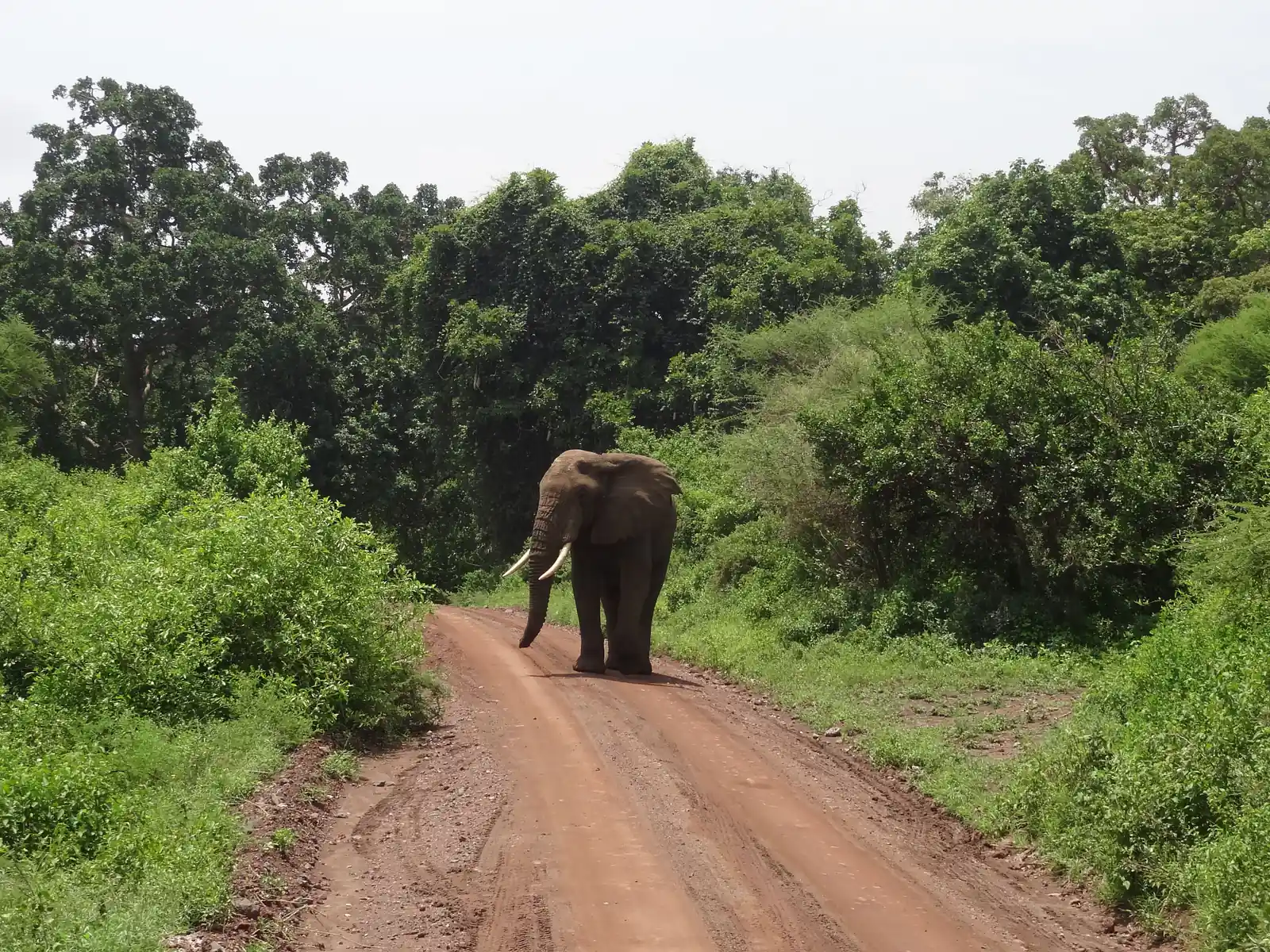
- Elephant in the woodland, often at close range on the narrow tracks.
- Tree-climbing lions: real, but genuinely uncommon, so do not plan around them.
- Hippo pools near the northern lake shore.
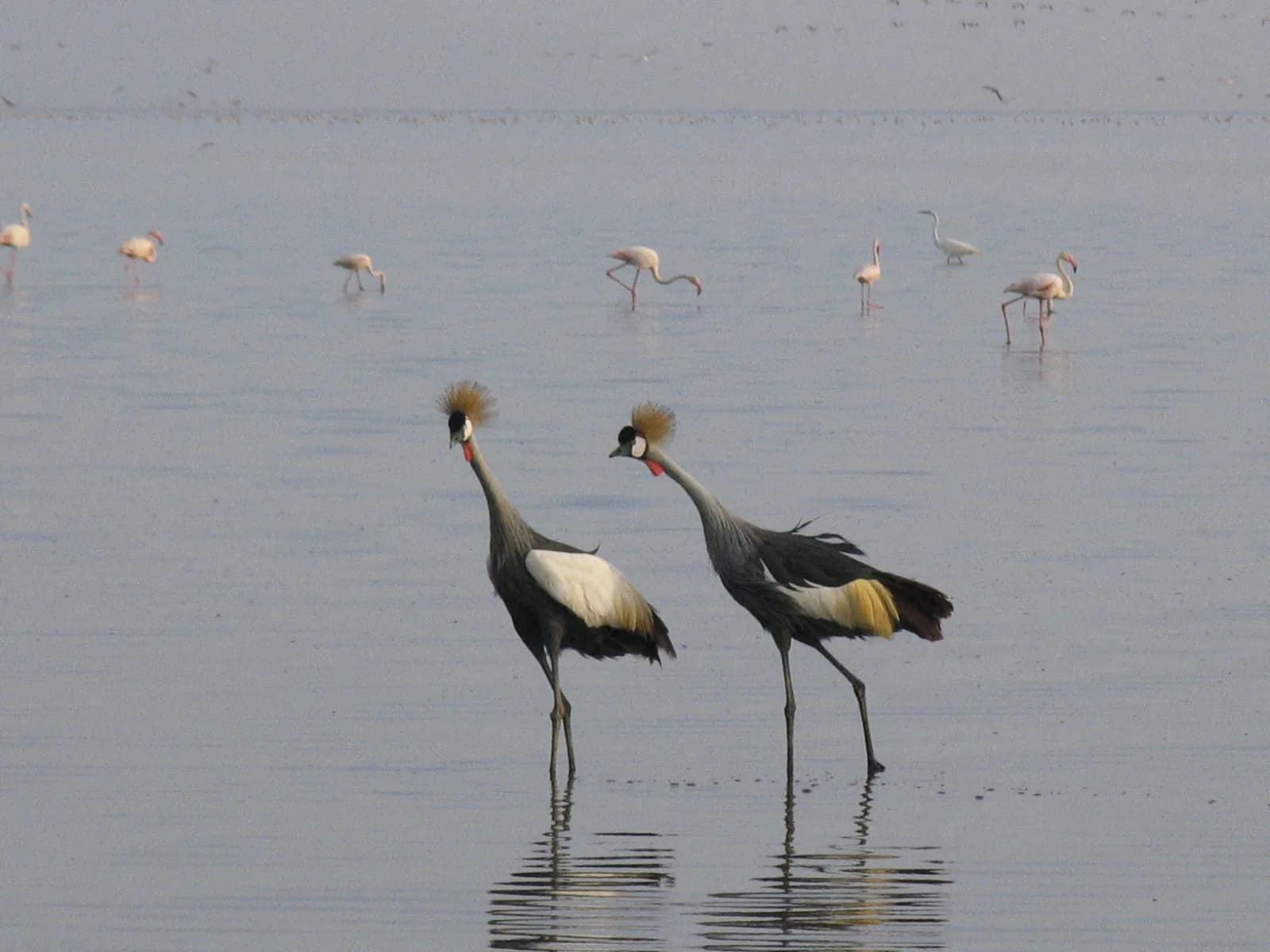
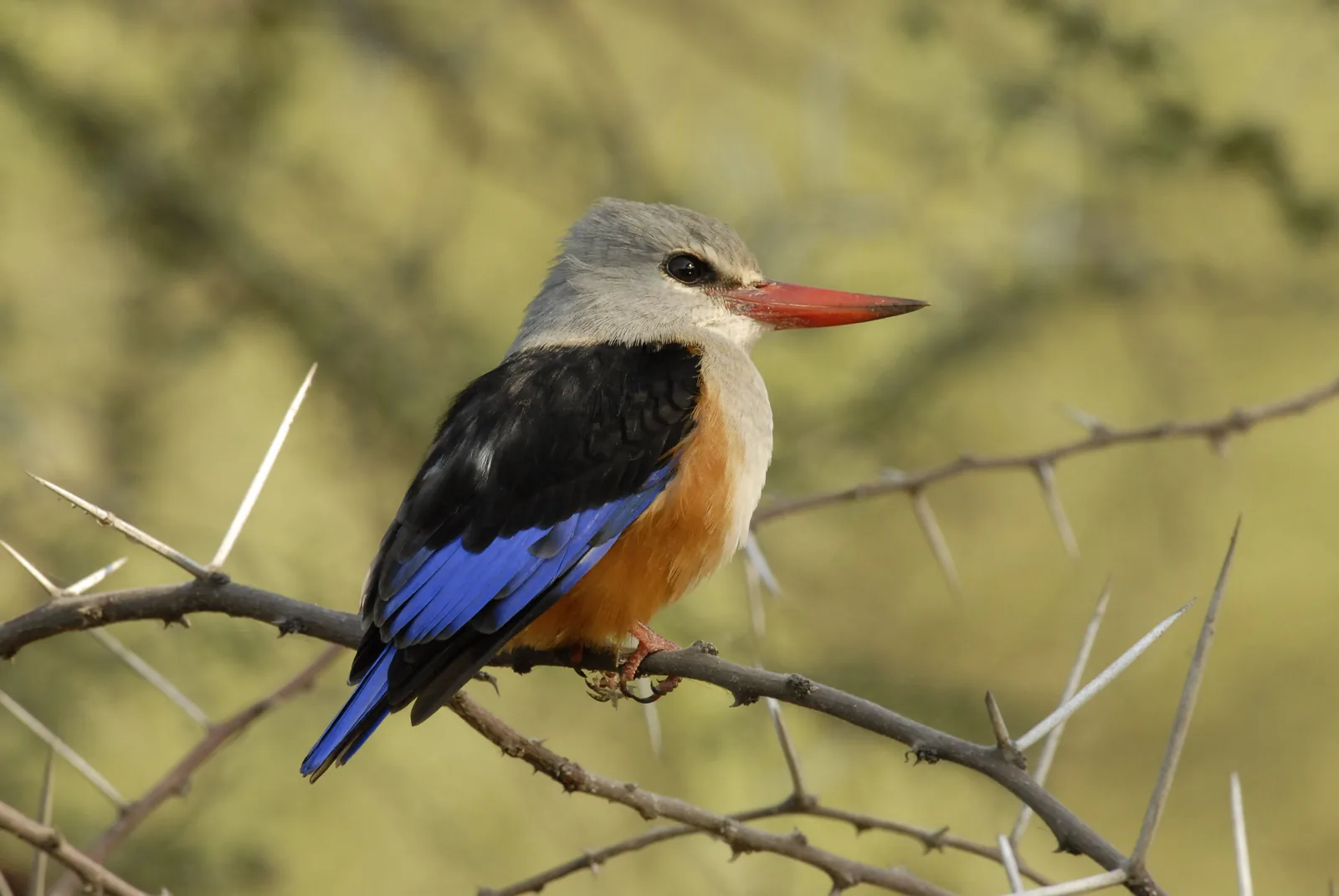
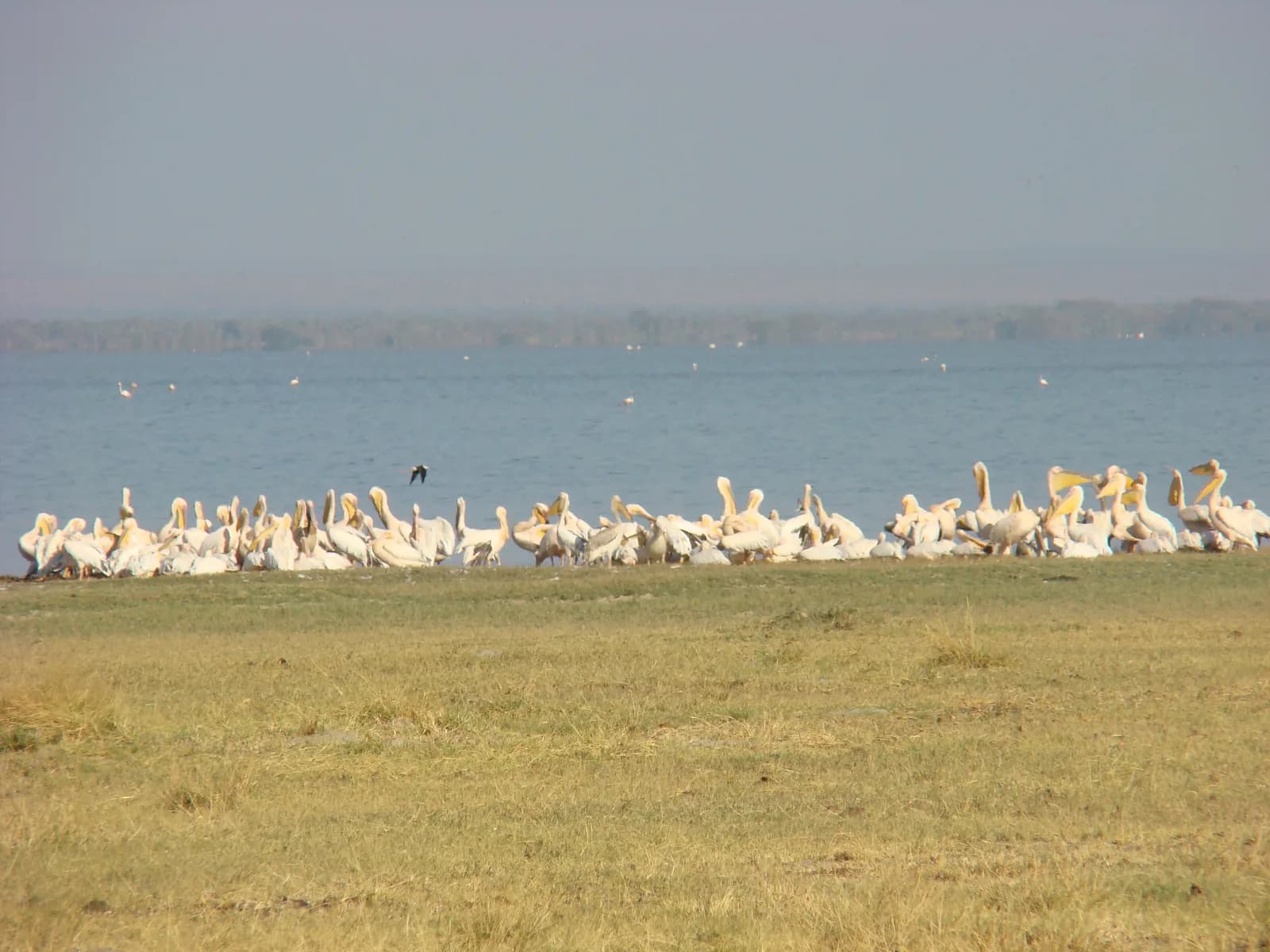
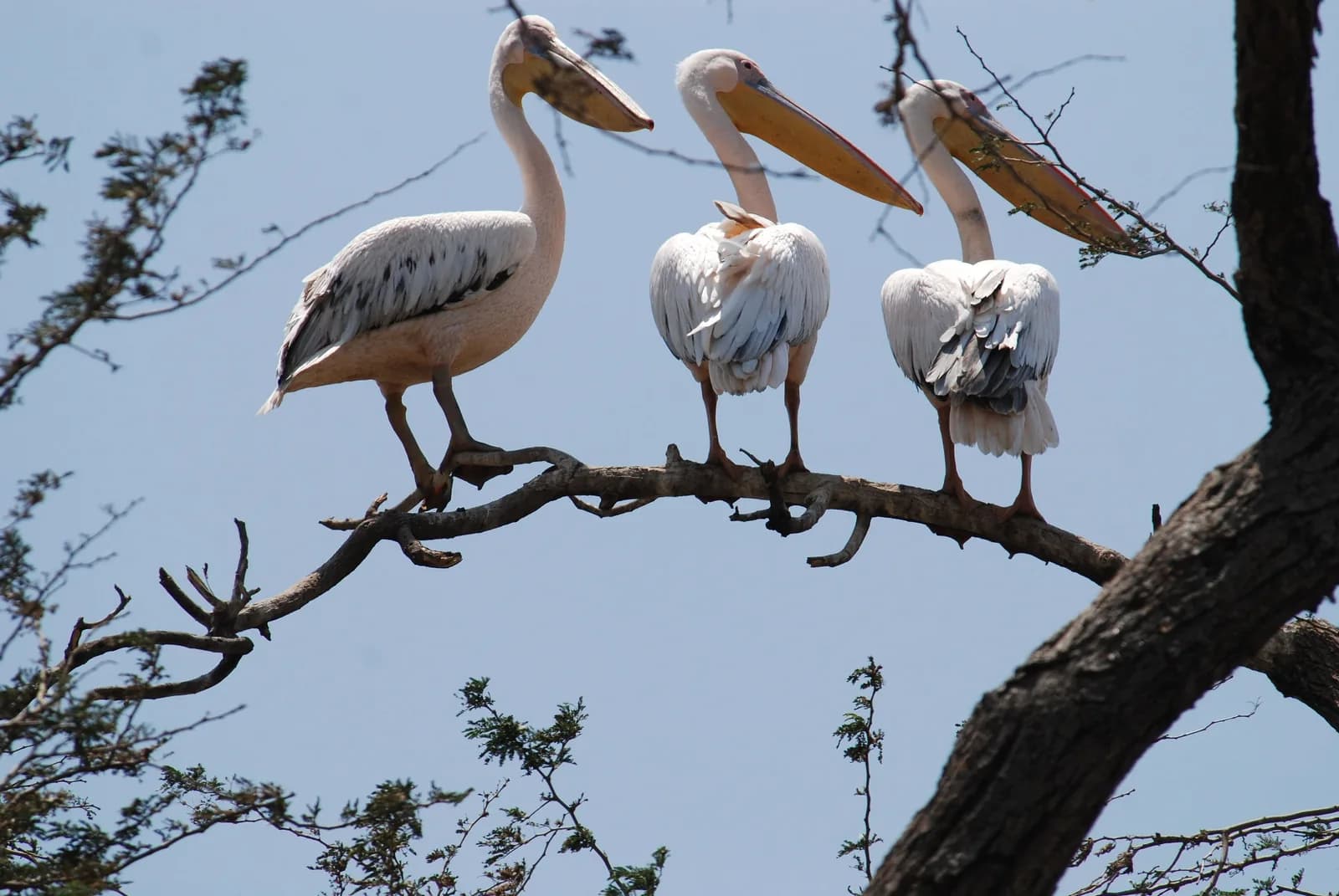
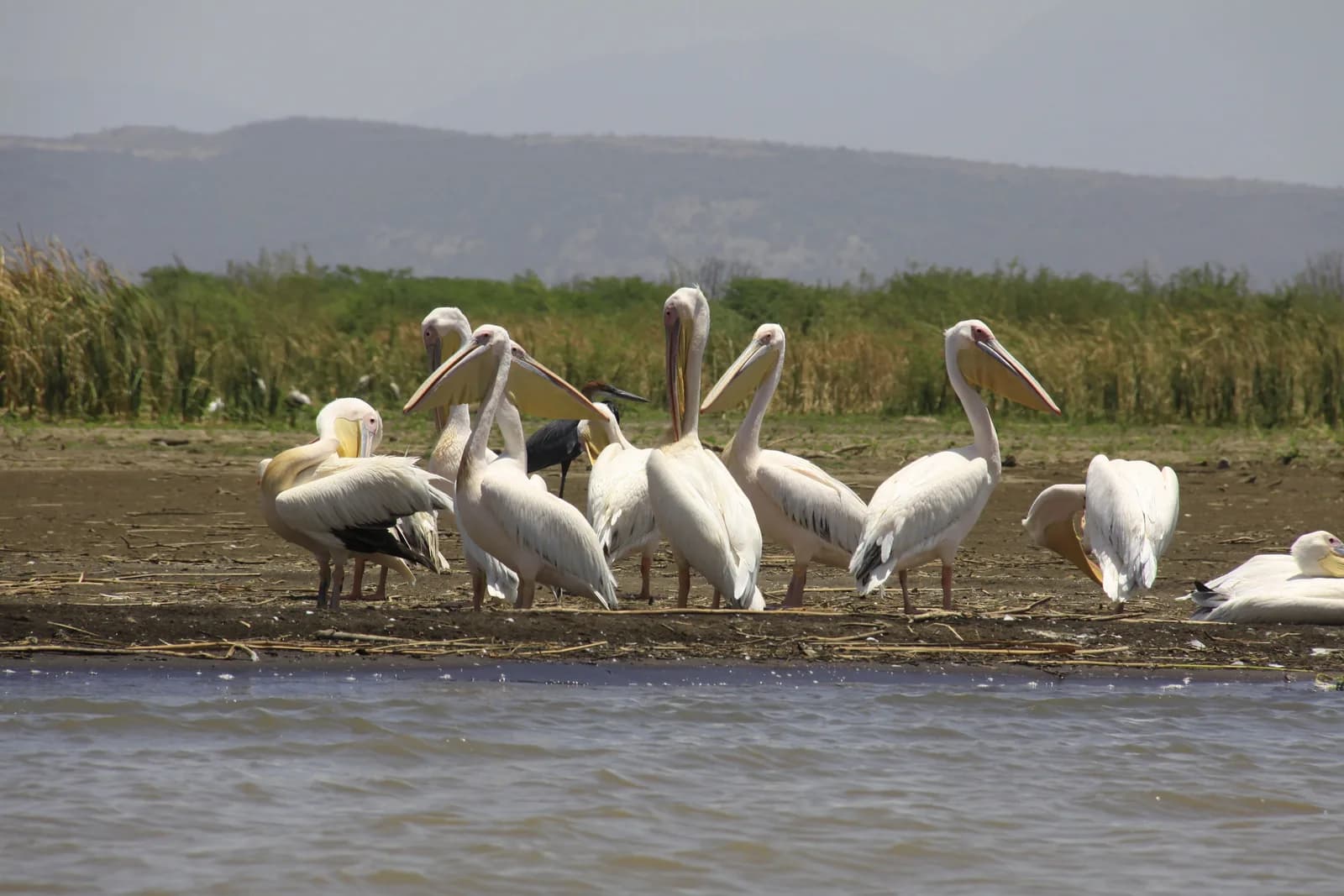
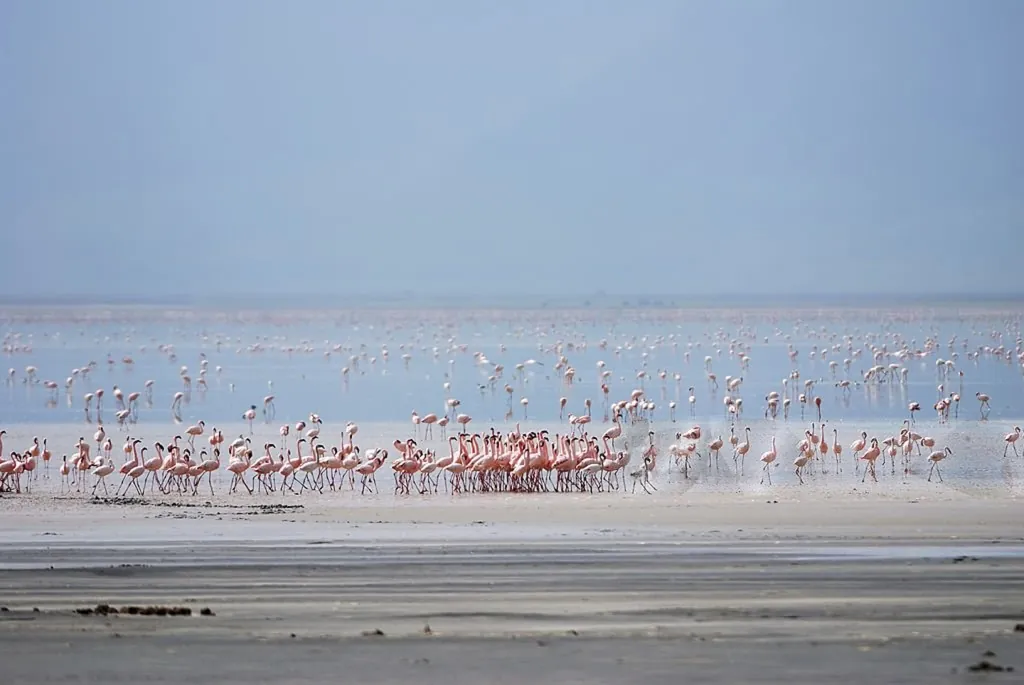
- Flamingo, pelican and stork on the lake when levels allow, with over four hundred bird species recorded.
- Giraffe, zebra, impala and buffalo on the open flats.
What else the area offers
- Night game drives for genets, civets and bushbabies, permitted here and in few other northern parks.
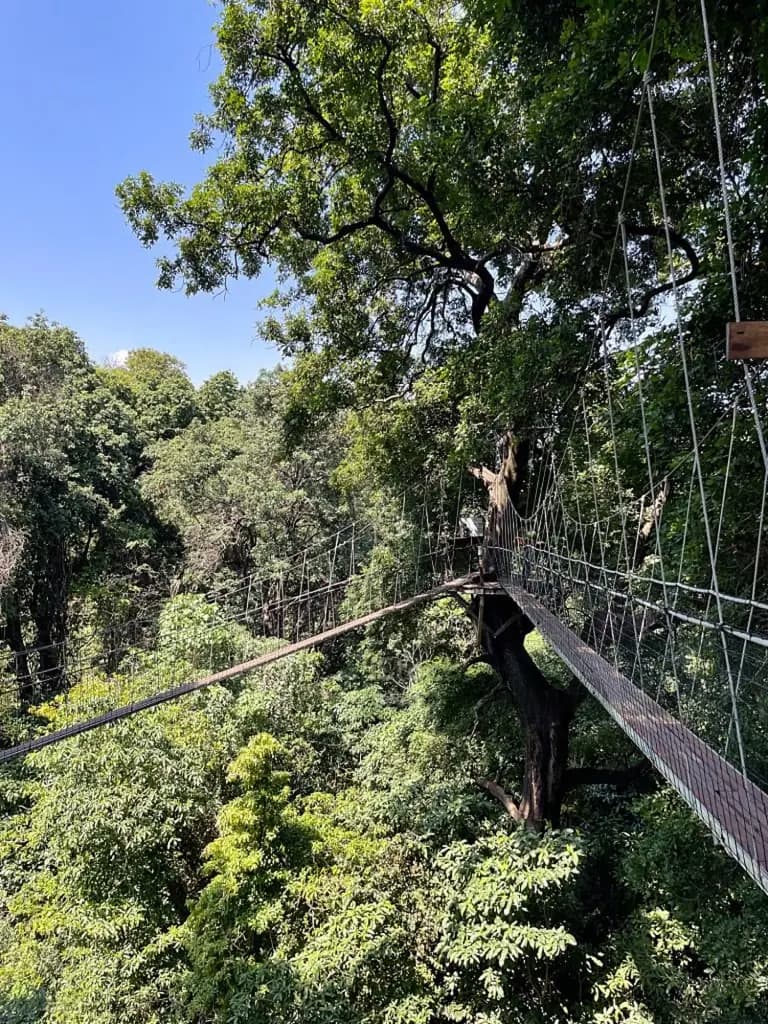
- A canopy walkway through the forest, which children in particular tend to remember.
- Mto wa Mbu village nearby, a genuinely mixed market town rather than a staged cultural stop.
- Cycling and canoeing outside the park boundary when water levels permit.
Where to stay
Most journeys pass through Manyara on the way to the highlands rather than stopping overnight. For a night here, this is the lodge we book, by level.
- Mid-range: Manyara Baobab Lodge
How it fits a wider journey
Manyara sits directly on the road between Tarangire and Ngorongoro, which is what makes it worth doing: it costs no extra transit. We slot it in as a morning or afternoon on the way up to the highlands, or as a first stop on the drive back down.
Gallery
Questions travellers actually ask
It is the most skippable park on the circuit, and we will say so. It earns its place on trips of five days or more, or where birdlife and forest appeal, because it costs nothing in driving time.
Probably not. It happens, it is well documented, and it is not reliable enough to build an expectation on. Come for the forest, the baboons and the birds.
If you have never done one, yes. Manyara is one of the few northern parks that permits it, and nocturnal species are a genuinely different set of animals.
Usually after the rains, roughly November to April, though levels swing hugely between years. Some seasons the lake almost dries out.
Ask about this journey
Send us a few details and a person on the team will reply personally, not a template.
The parks either side of it on the road, and how the route fits together.