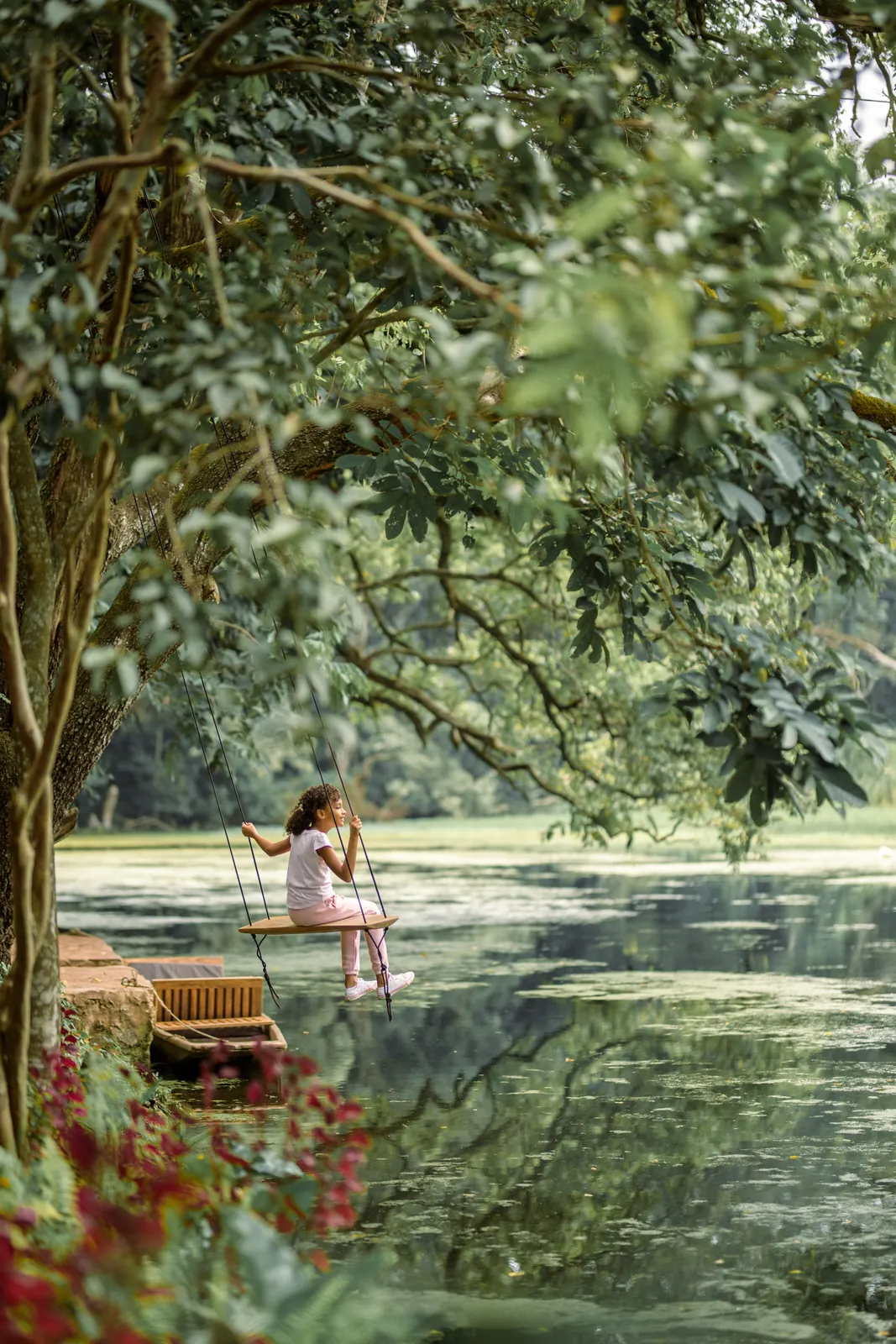
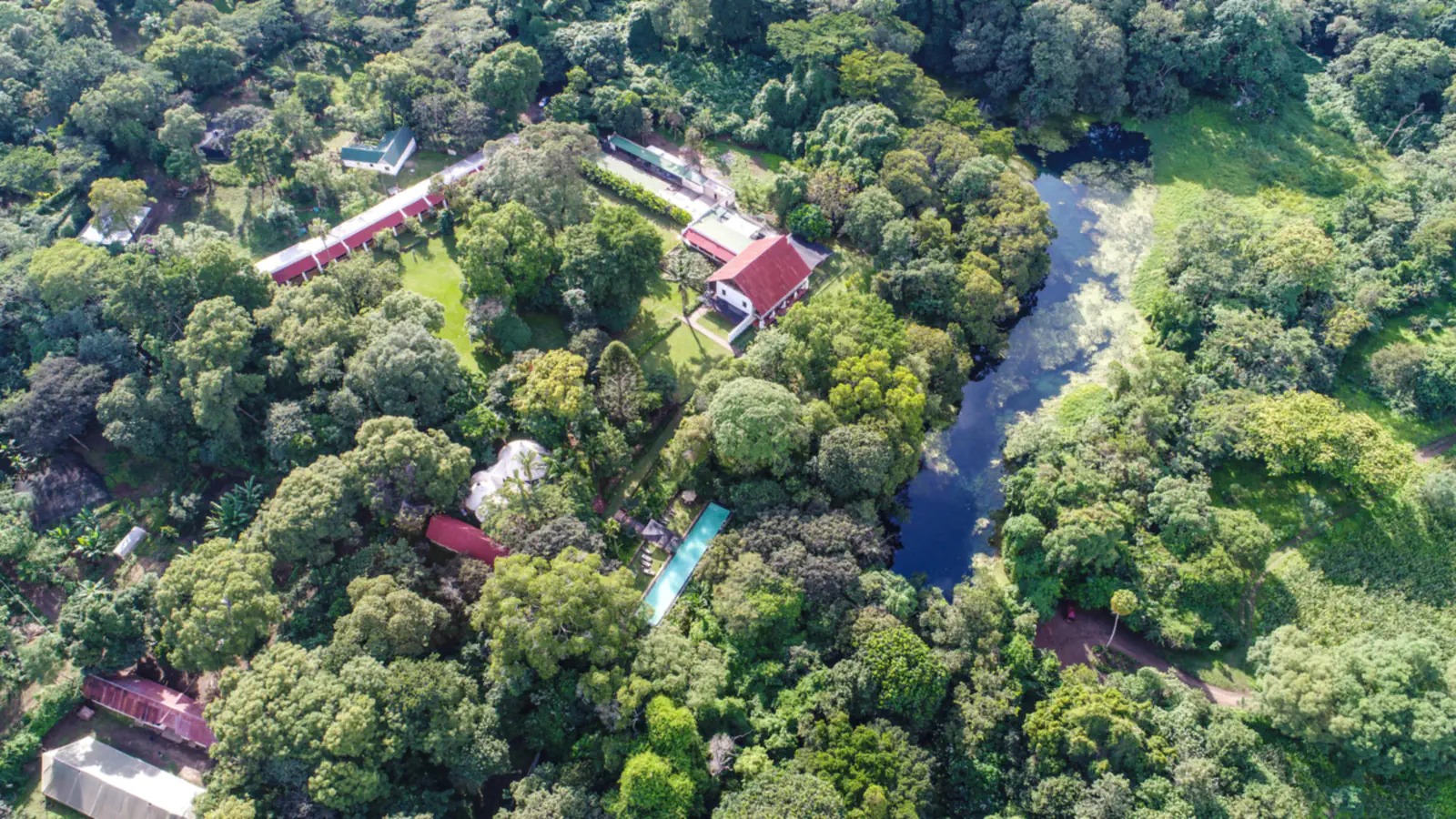
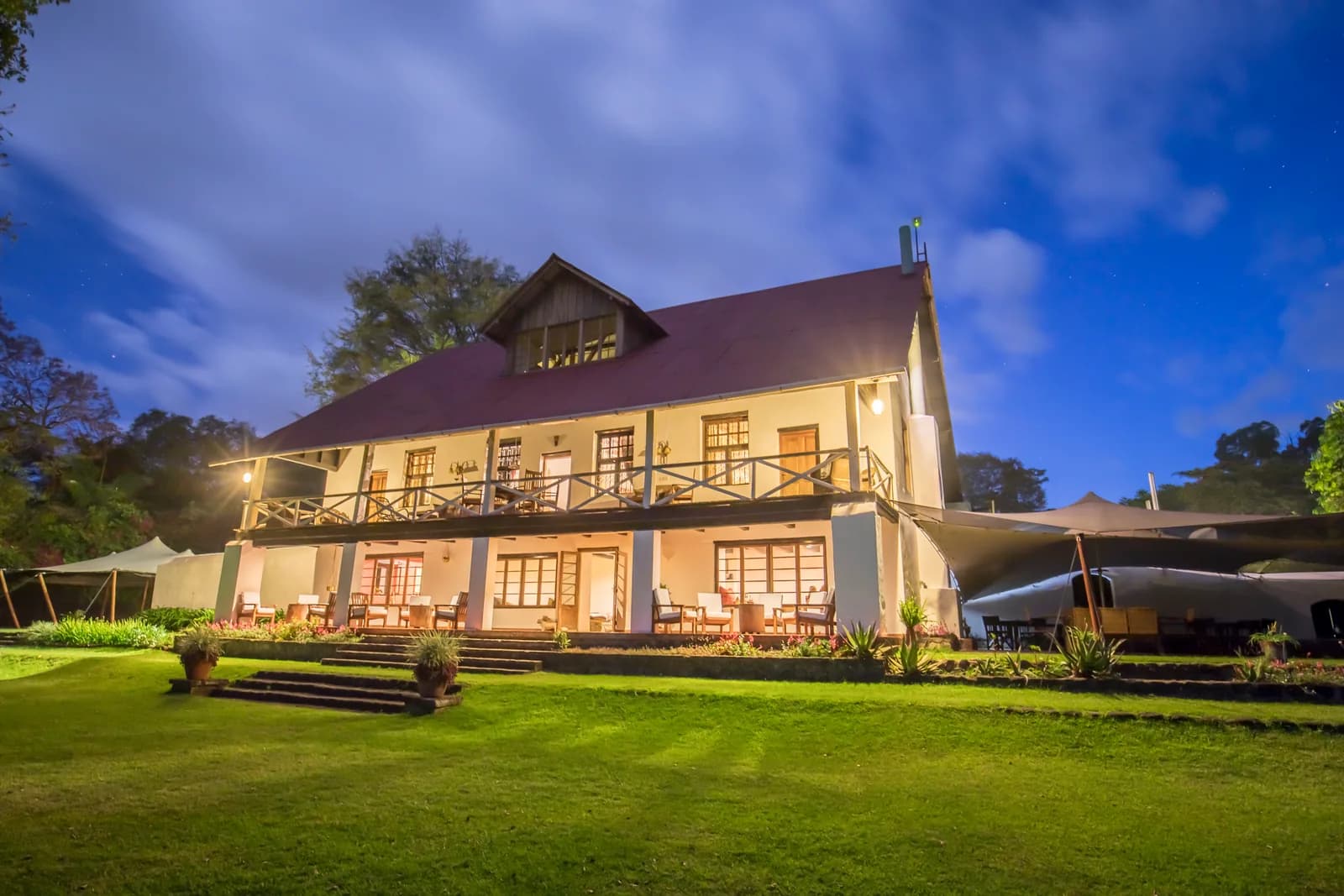
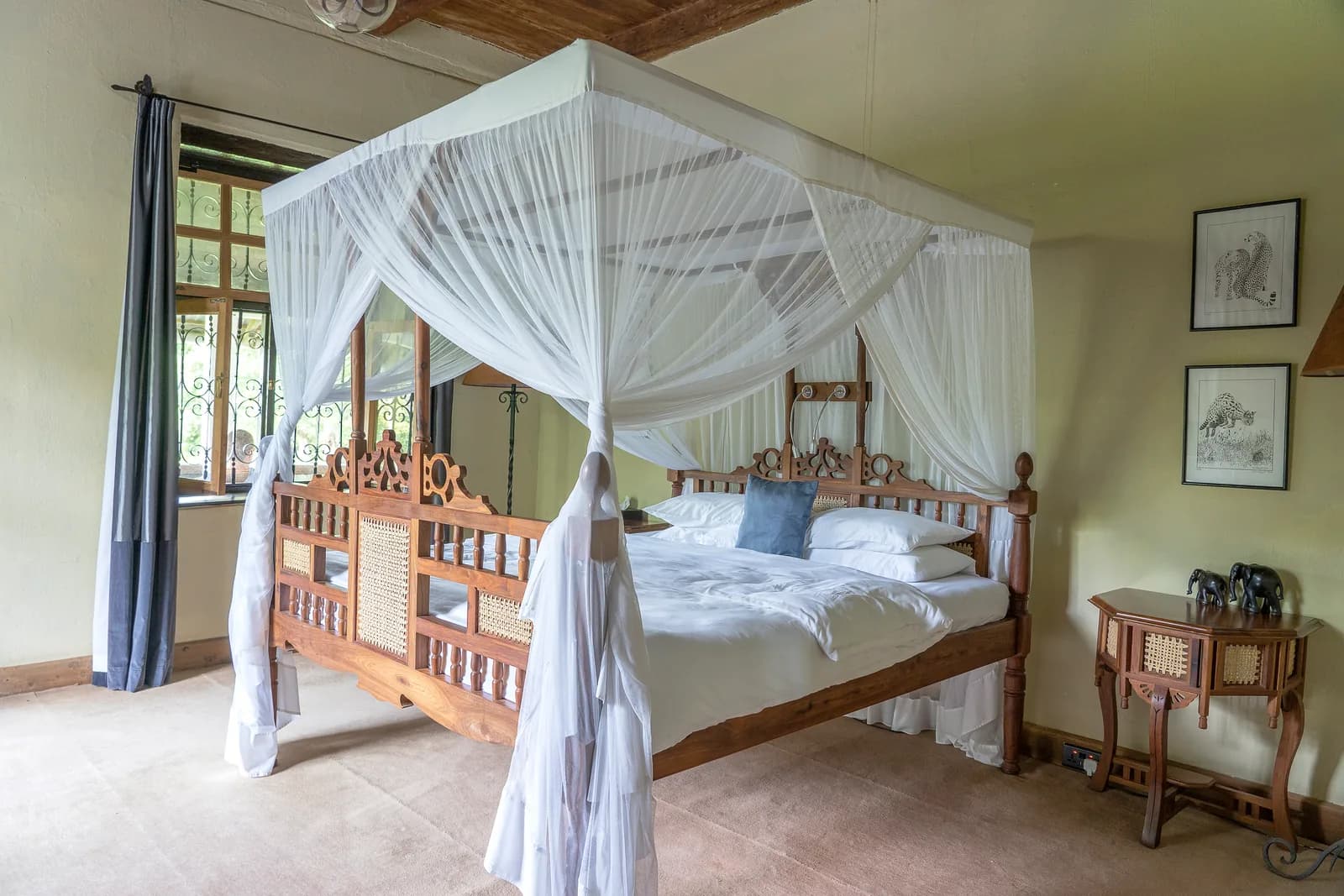
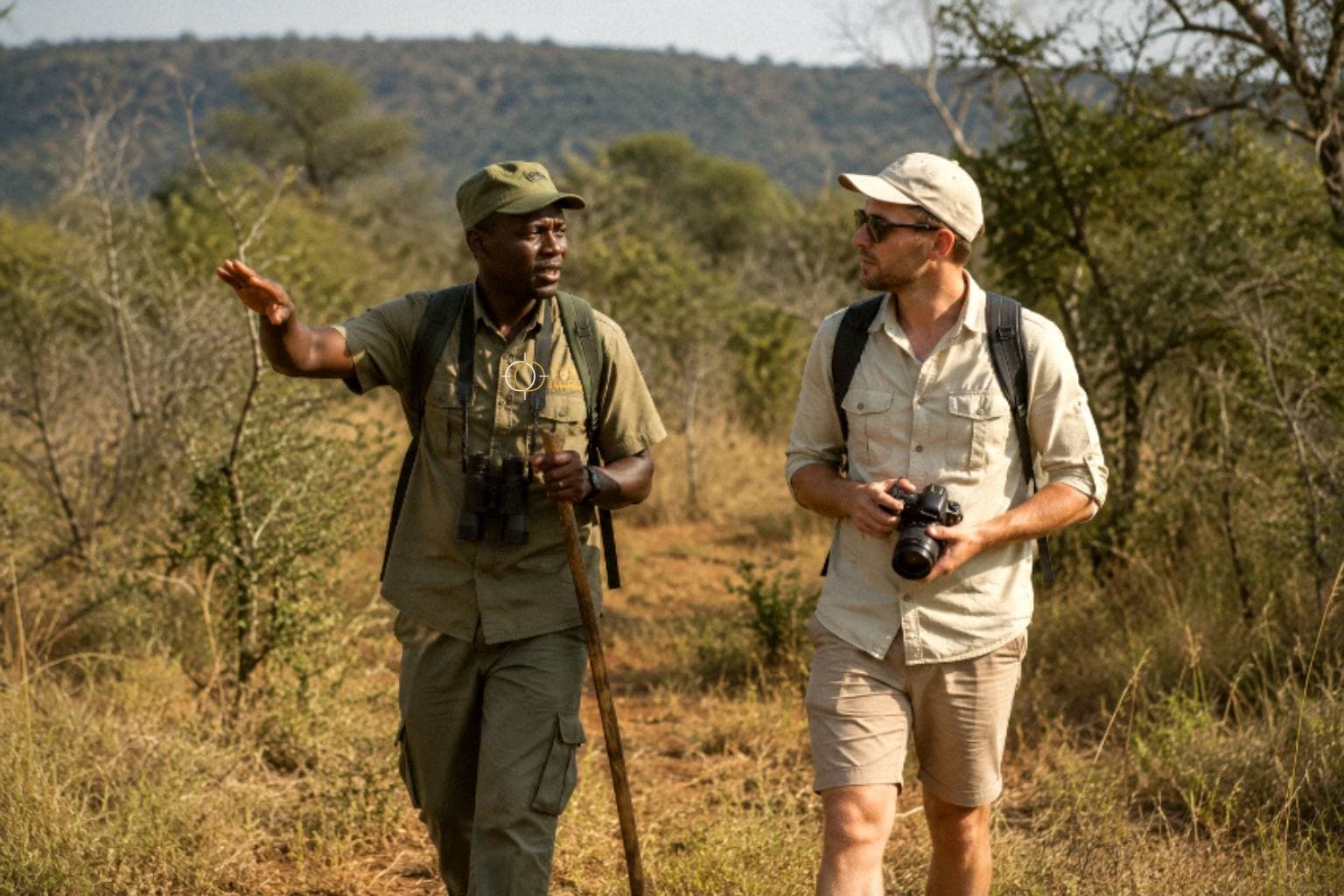
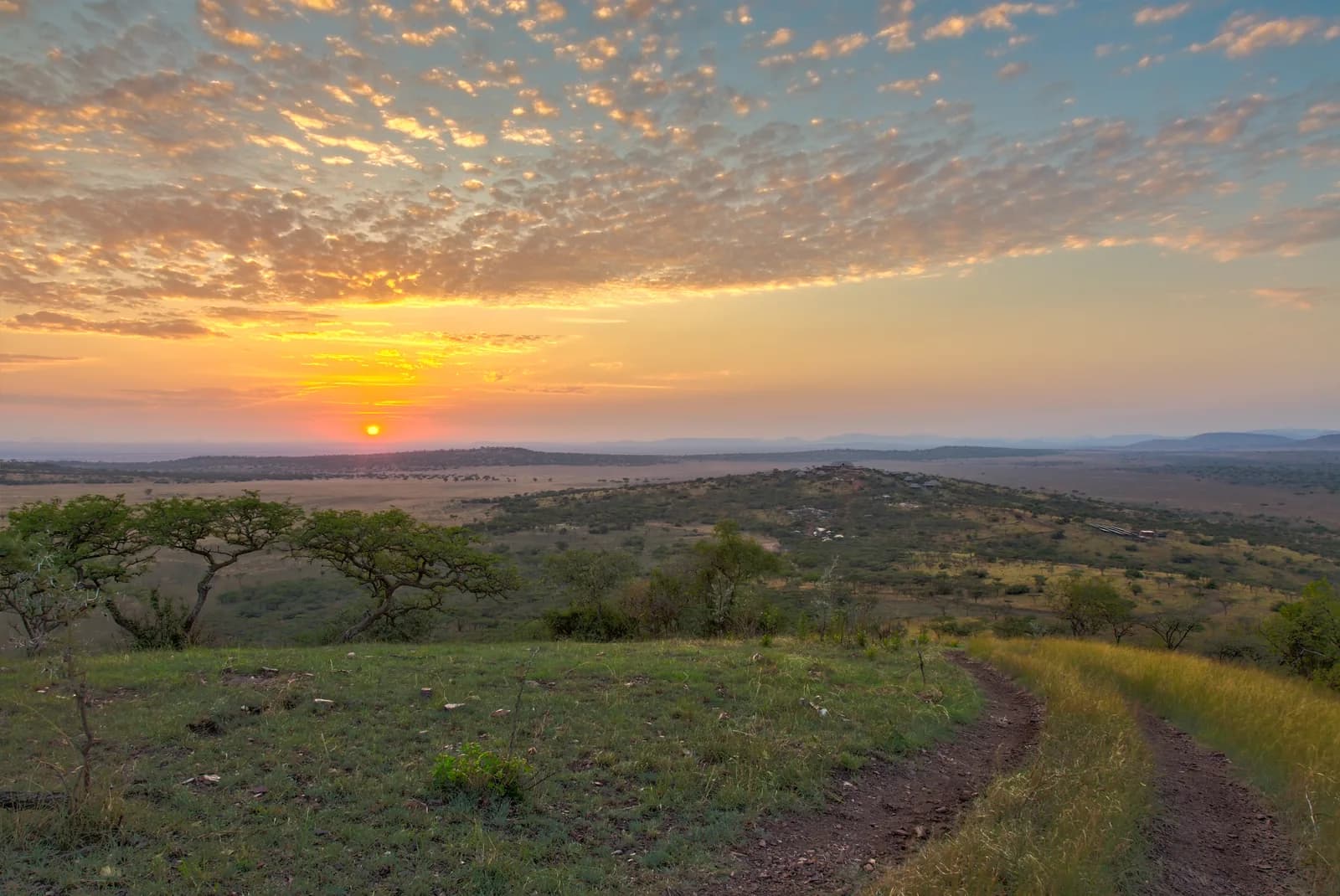
Seven days in your own vehicle, built around children: short drives, two nights or more in each camp, and pools for the middle of the day.
Private1 / 9
Overview
Children enjoy a safari most when the days are short and the stops are long. So this journey stays in the parks closest to Arusha, keeps every drive to about three hours or less, and stays at least two nights in each safari camp, so nobody is packing and unpacking every morning. The arrival night in Arusha is the only single night.
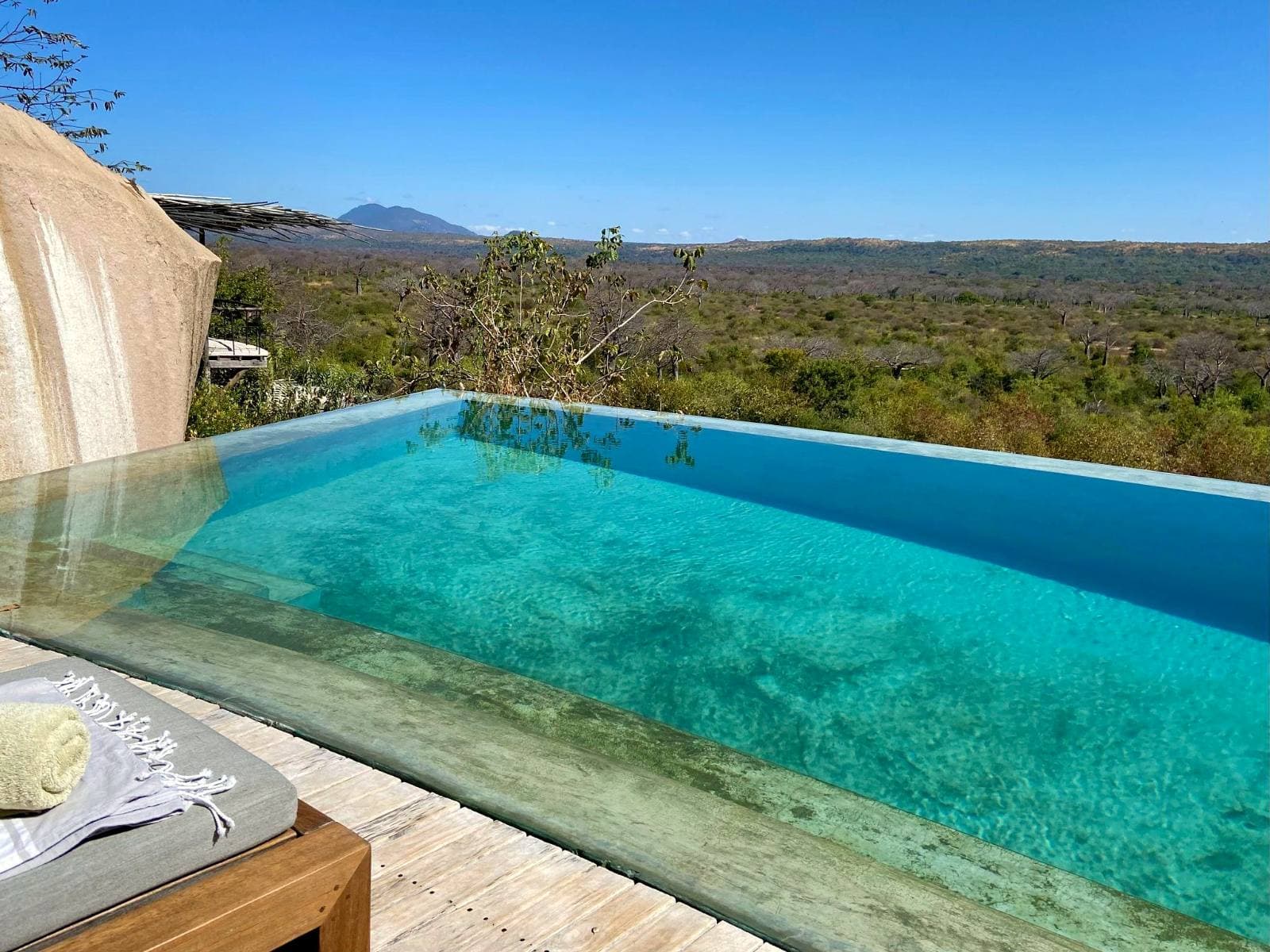
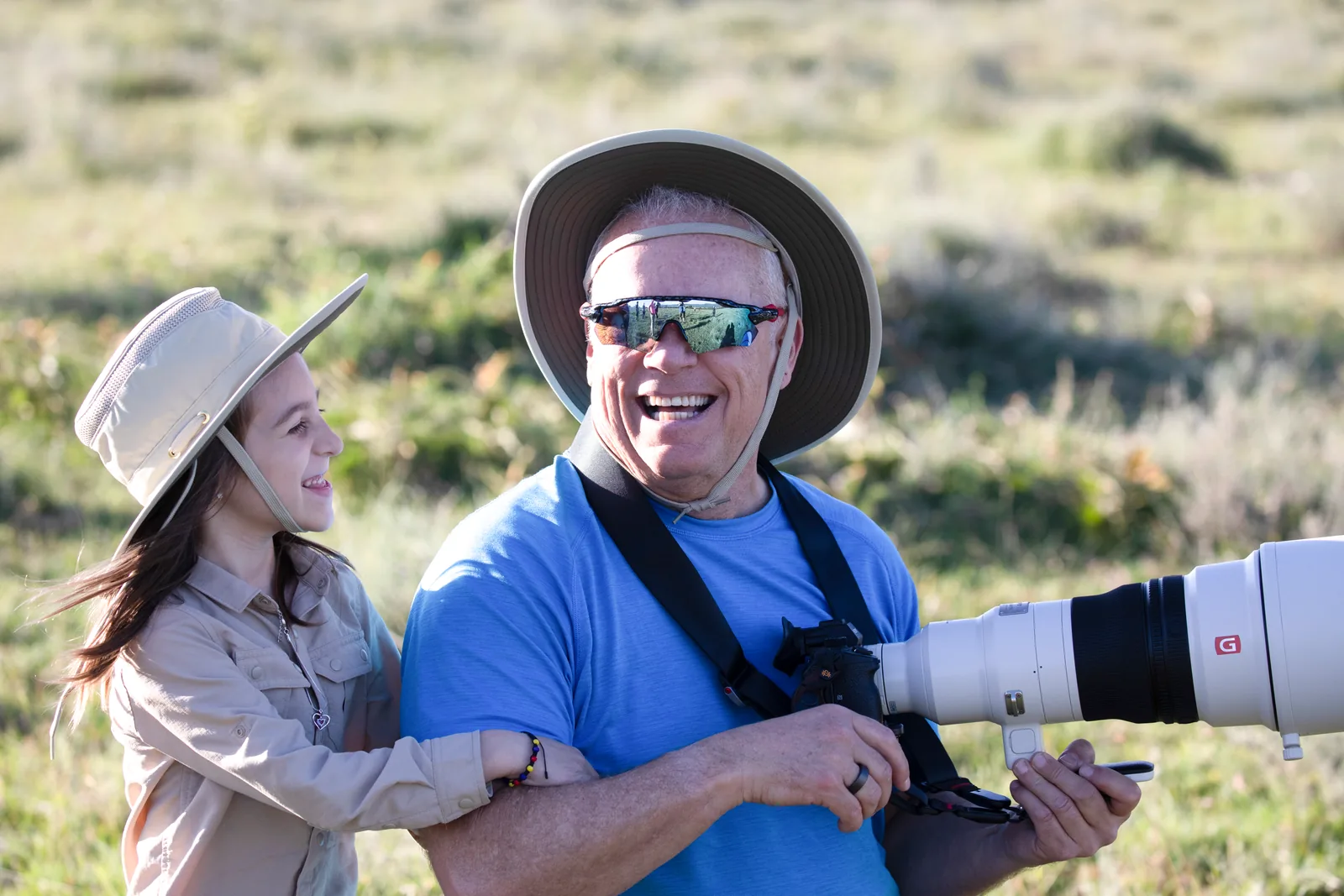
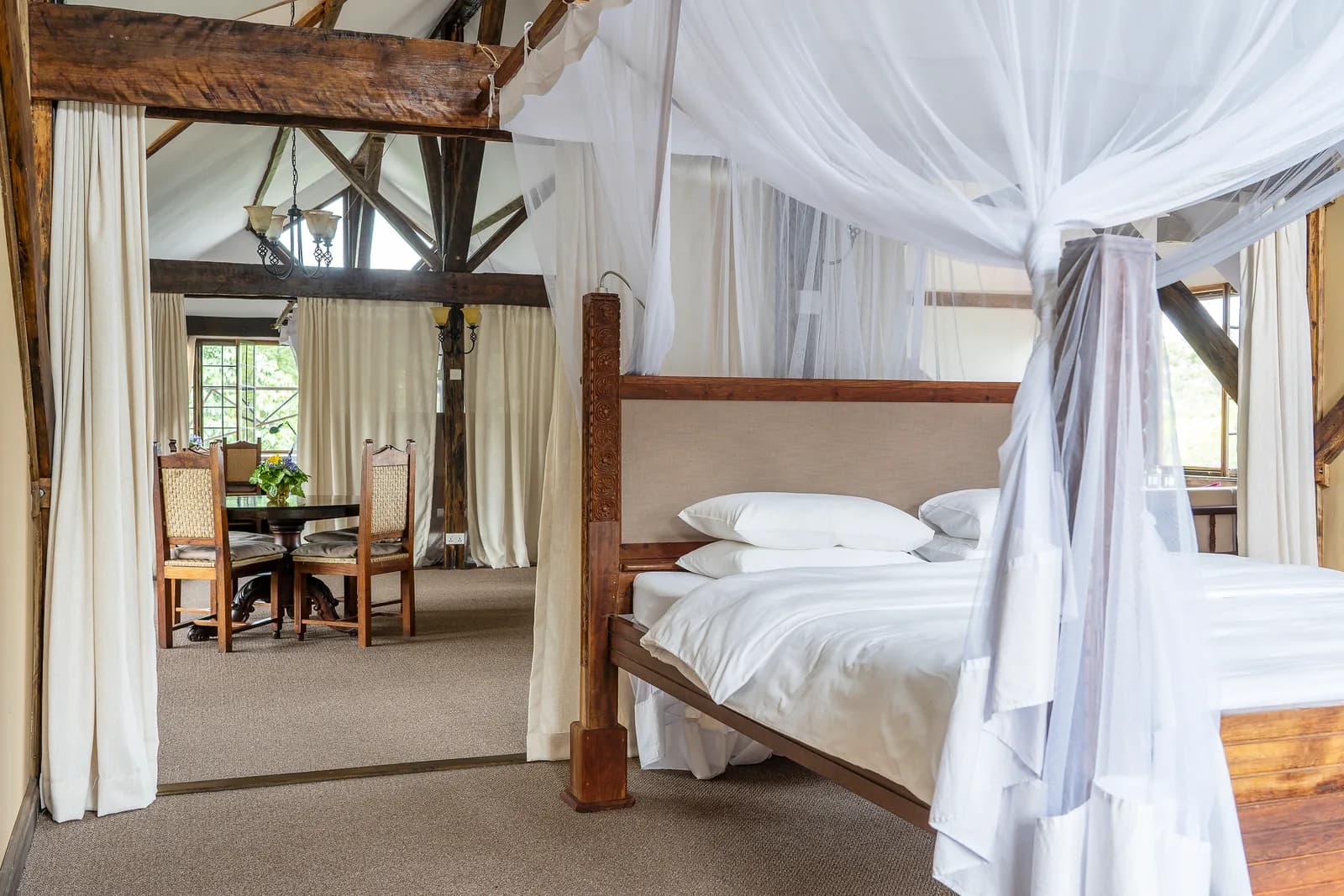
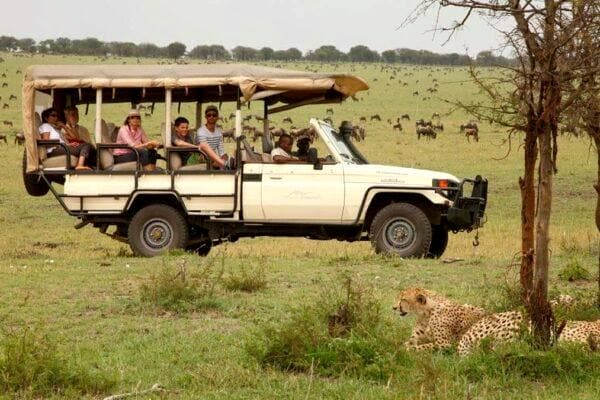
It runs in a private vehicle only: your family alone with your guide, stopping when someone needs a break and heading back when they have had enough. We choose lodges with pools and family rooms wherever they are available, and tell you honestly where they are not.
Walking safaris are for ages 12 and over only. Children's rates are on request, because they depend on age and on each lodge's own policy, and the price is on request until we have costed this journey for your dates.
Private vehicle onlyYour family alone with your guide, at your children's pace.
Two nights or more per campEvery safari stop is at least two nights: less packing, more time.
No drive over about 3 hoursThe parks closest to Arusha, with the longest days broken by lunch.
Pools and family roomsChosen wherever available, for the hot middle of the day.
Itinerary
A shape built for children: treat it as an illustration of pace and routing rather than a fixed itinerary. Days move, nights get added, and we change it around your family's ages.
These are examples, and every journey can use any of them. Final choice depends on availability on your dates.
Met at Kilimanjaro International Airport by your guide and driven about an hour to a lodge with a pool outside Arusha. Nothing else is planned: the rest of the day is for a swim and getting over the flight.
Meal plan: B&BB&B: breakfast only. Half board: breakfast and dinner. Full board: breakfast, lunch and dinner (on safari, lunch is often a picnic in the park).
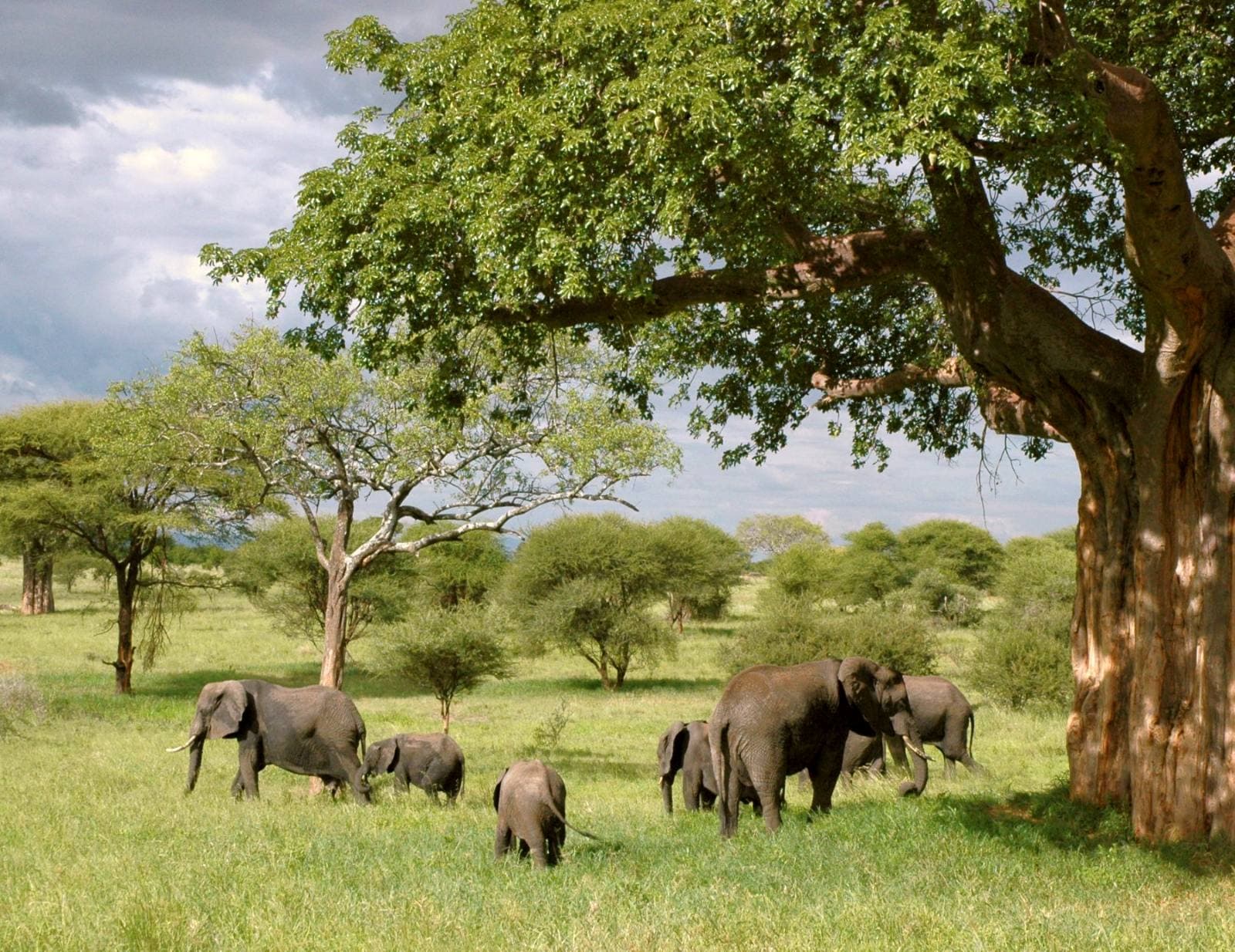
Tarangire is a park of baobabs and seasonal swamps along the Tarangire River, about two hours from Arusha. In the dry months the river is the main water for a wide area, so animals tend to gather along it, and it sees far fewer vehicles than the Serengeti.
Day 2
A late breakfast, then about two hours' drive to Tarangire. A picnic lunch, a rest at the camp through the heat of the day, and a game drive in the late afternoon.
Day 3
A full day in the park at your own pace: out early or after breakfast, back to camp in the middle of the day if the children have had enough, and out again when it cools.
Meal plan: Full boardB&B: breakfast only. Half board: breakfast and dinner. Full board: breakfast, lunch and dinner (on safari, lunch is often a picnic in the park).
About Lake Manyara
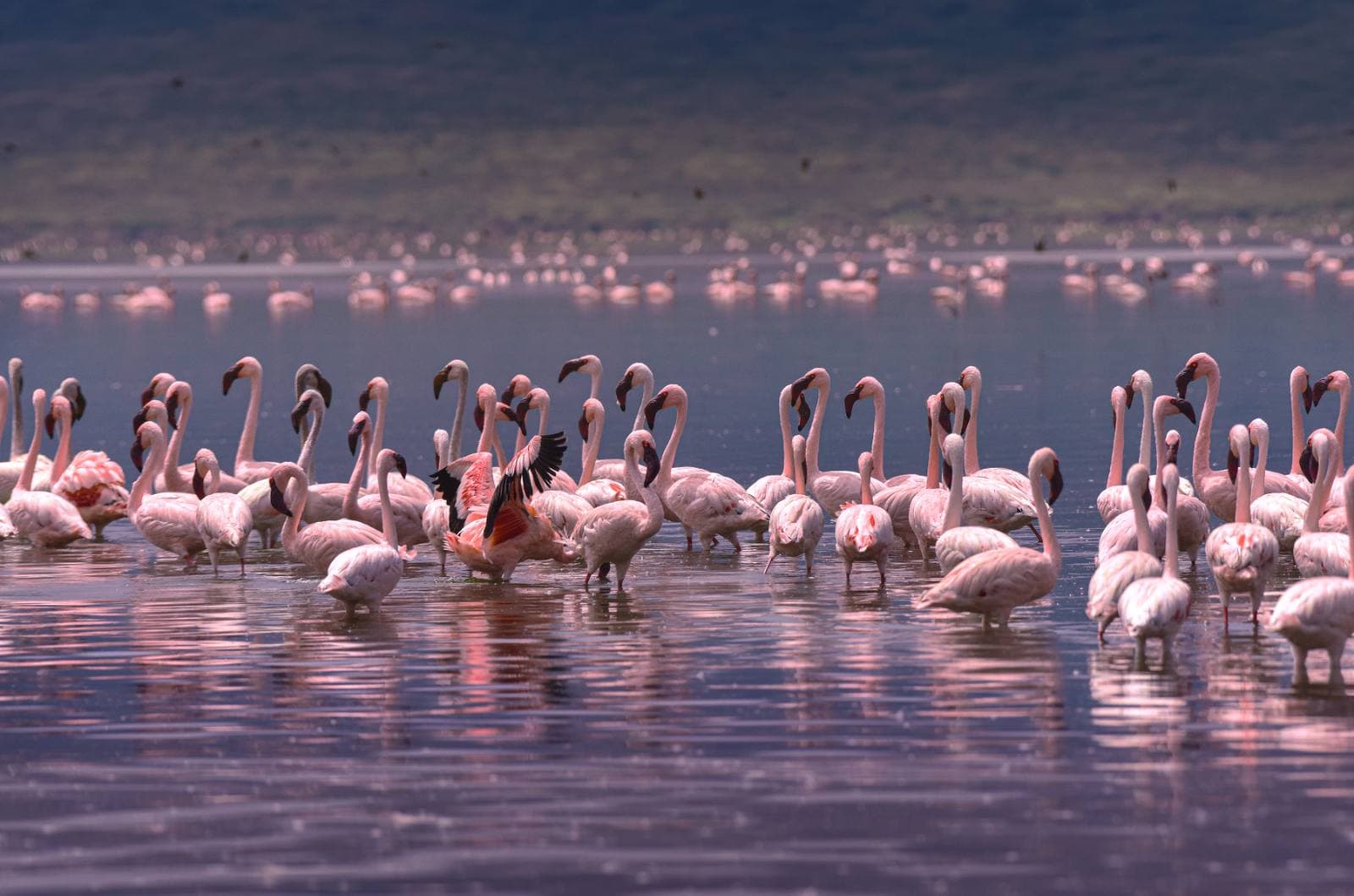
A narrow park squeezed between the Rift Valley wall and a shallow soda lake, with groundwater forest near the gate and open shoreline beyond. It is small enough to drive properly in half a day.
Today
About an hour and a half to Lake Manyara. A walk on the treetop walkway through the forest canopy, a picnic by the lake, then a short drive up the escarpment to your lodge in Karatu.
Meal plan: Full boardB&B: breakfast only. Half board: breakfast and dinner. Full board: breakfast, lunch and dinner (on safari, lunch is often a picnic in the park).
About Ngorongoro
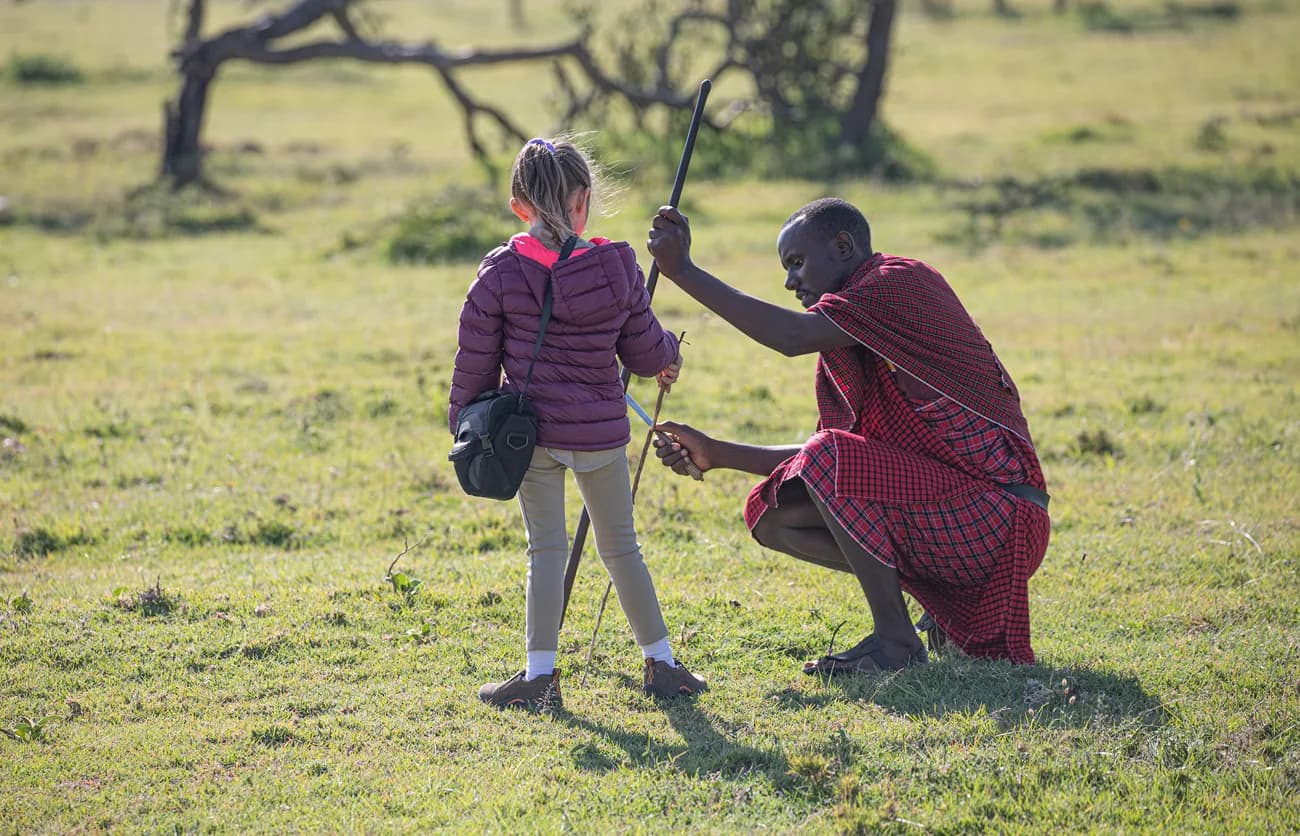
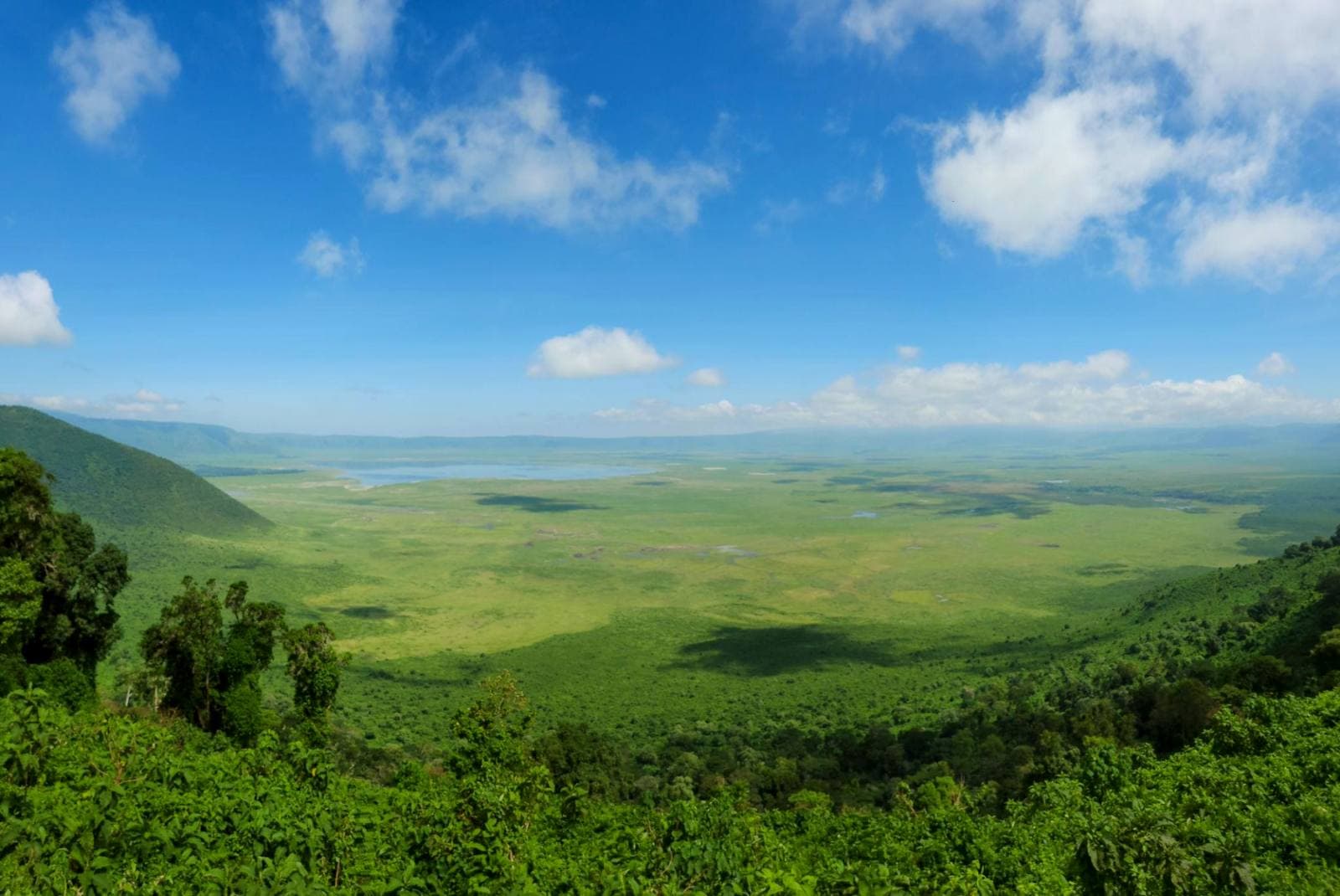
The Ngorongoro Crater is the collapsed caldera of an old volcano, about 19 km across and 600 m deep, inside a wider conservation area where Maasai still graze their cattle. Vehicles go down to the floor for the day and come back up to the rim by late afternoon.
Today
An early descent to the Crater floor while it is quietest, a morning game drive, and back up to the lodge by lunch. The afternoon is free for the pool or a rest.
Meal plan: Full boardB&B: breakfast only. Half board: breakfast and dinner. Full board: breakfast, lunch and dinner (on safari, lunch is often a picnic in the park).
About Karatu
Karatu is a farming town in the green highlands between Lake Manyara and the Ngorongoro Crater, surrounded by coffee farms, about half an hour from the Crater gate. Many lodges for Crater days sit on its farms.
Today
A slow day with no game drive: a coffee farm tour, from picking the cherries to roasting and tasting, or a gentle guided walk through the farms and villages around Karatu.
Meal plan: Full boardB&B: breakfast only. Half board: breakfast and dinner. Full board: breakfast, lunch and dinner (on safari, lunch is often a picnic in the park).
Today
About two and a half hours back to Arusha, lunch and a rest, then about an hour to Kilimanjaro airport for your flight home.
Price
Pick a level to see its lodges and guide price.
Every level keeps the same vehicle, guide and route. Only the accommodation changes.
Where you stay at Comfort: En-suite tented camps and simple lodges, usually just outside the park gates. See the Comfort lodges
What your price covers, and what to budget for separately.
Included
Every park entry, conservation and Crater fee on the route, paid by us in advance. They are a large share of what a safari costs, and they are what fund the parks.
The lodges for the level you choose, with the meal plan shown on each day of the itinerary: full board on safari, and bed and breakfast or half board in town and on the coast. Prices assume two sharing; a room to yourself costs more, and the supplement is in your quote.
A 4x4 with a pop-up roof, used by your party alone and never shared. One English-speaking driver-guide stays with you from the first game drive to the last.
Met at Kilimanjaro airport when you land, and taken to your flight home at the end, whatever time it leaves.
Water in the vehicle on every safari day, so you never have to ration it on a long drive.
Not included
International flights. Flights to and from Tanzania are booked by you. We will suggest arrival and departure times that fit the trip.
Visa. Paid by you, usually online before you travel. Visa information
Travel insurance. A condition of travelling with us. It must cover medical treatment, emergency evacuation and repatriation.
Tips. Always your choice. As a guide, we suggest $30–50 per day per vehicle for your driver-guide, plus a little for camp staff. How tipping works
Personal spending. Drinks beyond water and what the camp serves with meals, laundry where it is charged, souvenirs, and optional extras such as balloon flights, quoted separately if you want them.
Packing
Less than you think, in neutral colours, and in a soft bag if any leg is flown. Bring a warm layer: early mornings in an open vehicle are cold, even when the middle of the day is hot.
Most nationalities need a visa: $50 for a single entry. US citizens pay $100 for a multiple-entry visa. Apply online before you travel to avoid the queue on arrival. Fees and rules change, so check with the Tanzanian embassy in your country.
Any age, on a private safari like this one. Some lodges set their own minimum ages, so tell us everyone's age and we will only suggest places that welcome them. Walking safaris are from age 12 only.
Children's rates are on request: they depend on age and on each lodge's own policy, and some lodges charge very little for younger children sharing a family room. We confirm every child's price in your quote.
None longer than about three hours, and most much shorter. The longest is the last day back to Arusha, broken by lunch before the airport.
Yes. The Serengeti is best added by a short flight from Manyara airstrip rather than a long drive, and Zanzibar makes an easy end to a family trip. We will keep the same rules: two nights or more per stop, and short days.
Quick enquiry
Ask about this journey
Send us a few details and a person on the team will reply personally, not a template.
Where to go next
How to plan a safari around children, and where to stay.
 Private1 / 9