Wildlife Photography
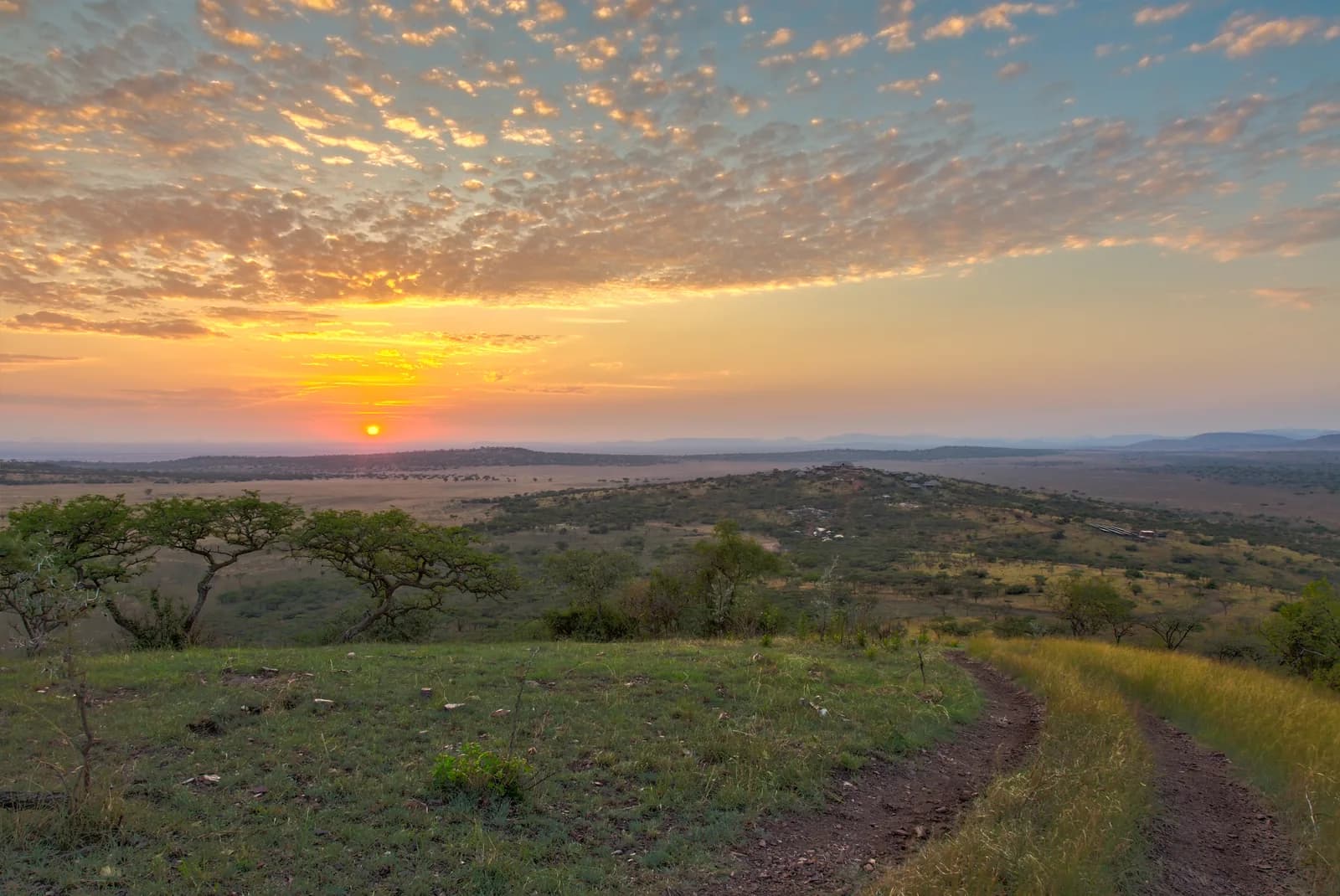
A journey planned around light rather than distance. Longer sits, earlier starts, a vehicle set up for lenses, and a guide who understands why you are not moving.
What changes on a photographic journey
A normal safari optimises for variety: how many species, how many parks. A photographic one optimises for conditions, which means fewer places, longer stays, and long periods of not moving at all.
The single biggest difference is who else is in the vehicle. On a shared drive, someone always wants to move on. A private vehicle means the decision to stay two hours with backlit zebra dust is yours.
What we set up differently
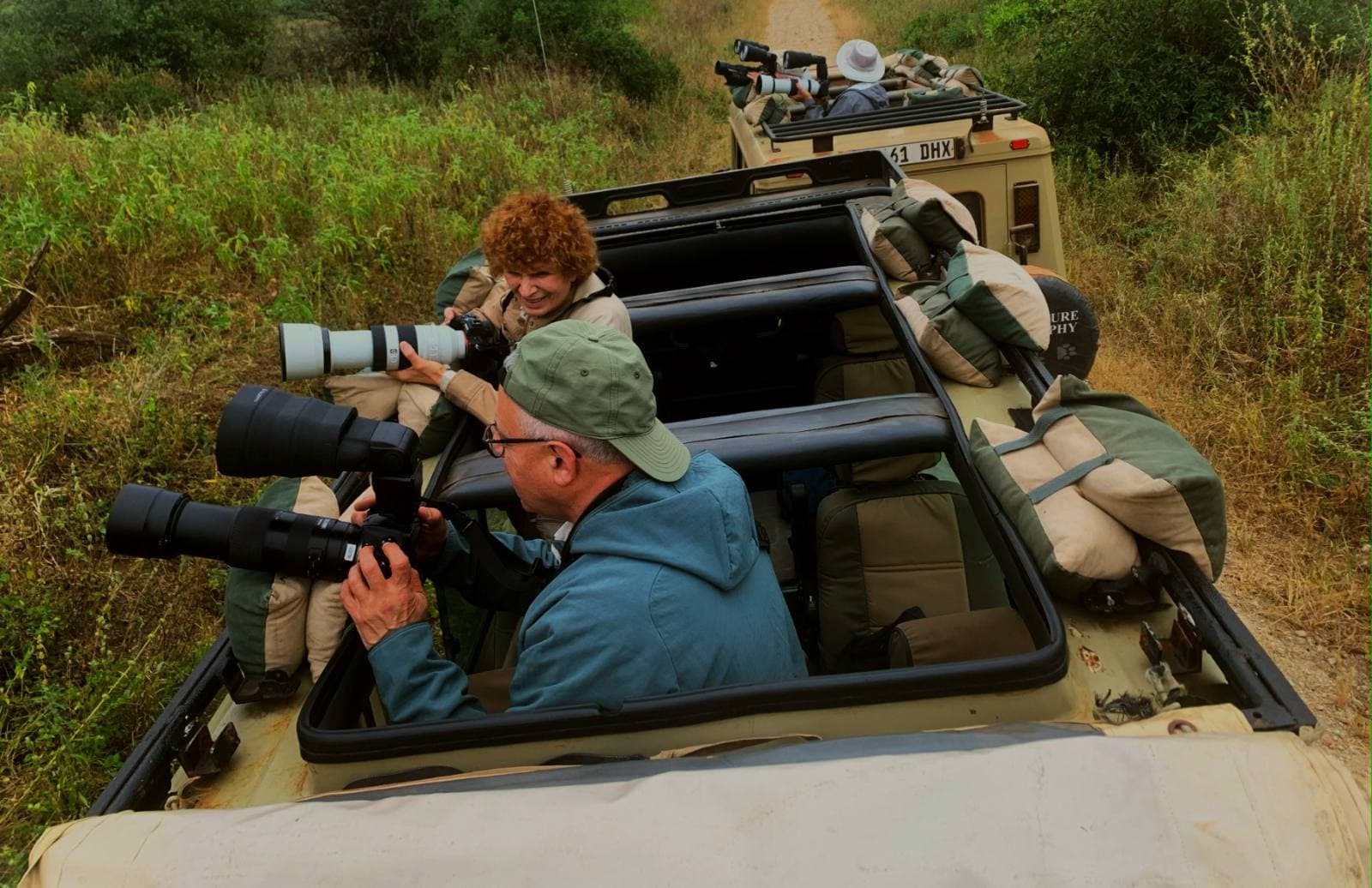
- A private vehicle with no seat sharing, and beanbags or a clamp mount rather than only a pop-top roof.
- Departure before the gate opens where park rules allow it, and full-day permits so you are not driven back for lunch in the best afternoon light.
- Camps chosen for position (waterholes, river bends, a hide) rather than for the room.
- Four nights minimum in a key area, because the second and third mornings are when a guide starts predicting behaviour.
- Charging and dust management in the vehicle, which sounds trivial until day four.
- A guide briefed on your subjects and on the difference between a sighting and a photograph.
Where and when
Southern Serengeti in February for calving: short grass, clean backgrounds, huge predator activity and dramatic skies. Probably the strongest photographic month in Tanzania.
Northern Serengeti in August and September for the crossings, accepting the vehicle numbers in exchange for the action.
Tarangire from August to October for elephant, baobabs and heavy golden dust: the most graphic landscape on the circuit.
Ngorongoro at dawn for dense wildlife in soft light, out before the vehicles arrive.
Who we plan these with
Mostly serious amateurs with one long lens and limited patience for compromise, occasionally professionals on assignment. You do not need a specialist photographic guide to benefit. You need a private vehicle, time, and a guide who does not treat stopping as wasted.
Where you do want a dedicated photographic guide, we can arrange one, and we will be clear about the additional cost rather than folding it invisibly into a price.
Gallery
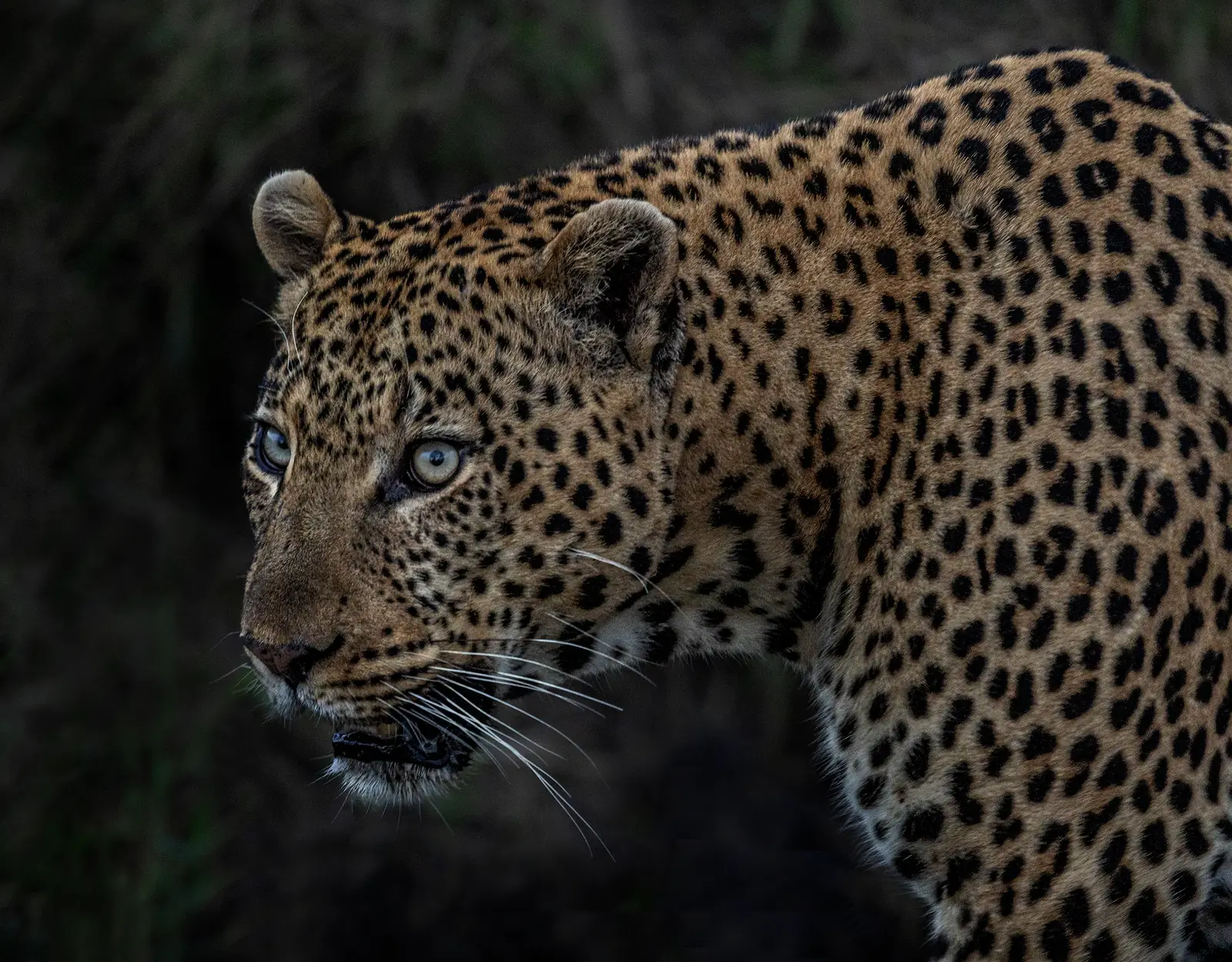 Photo: Dancing Duma Tented Camp
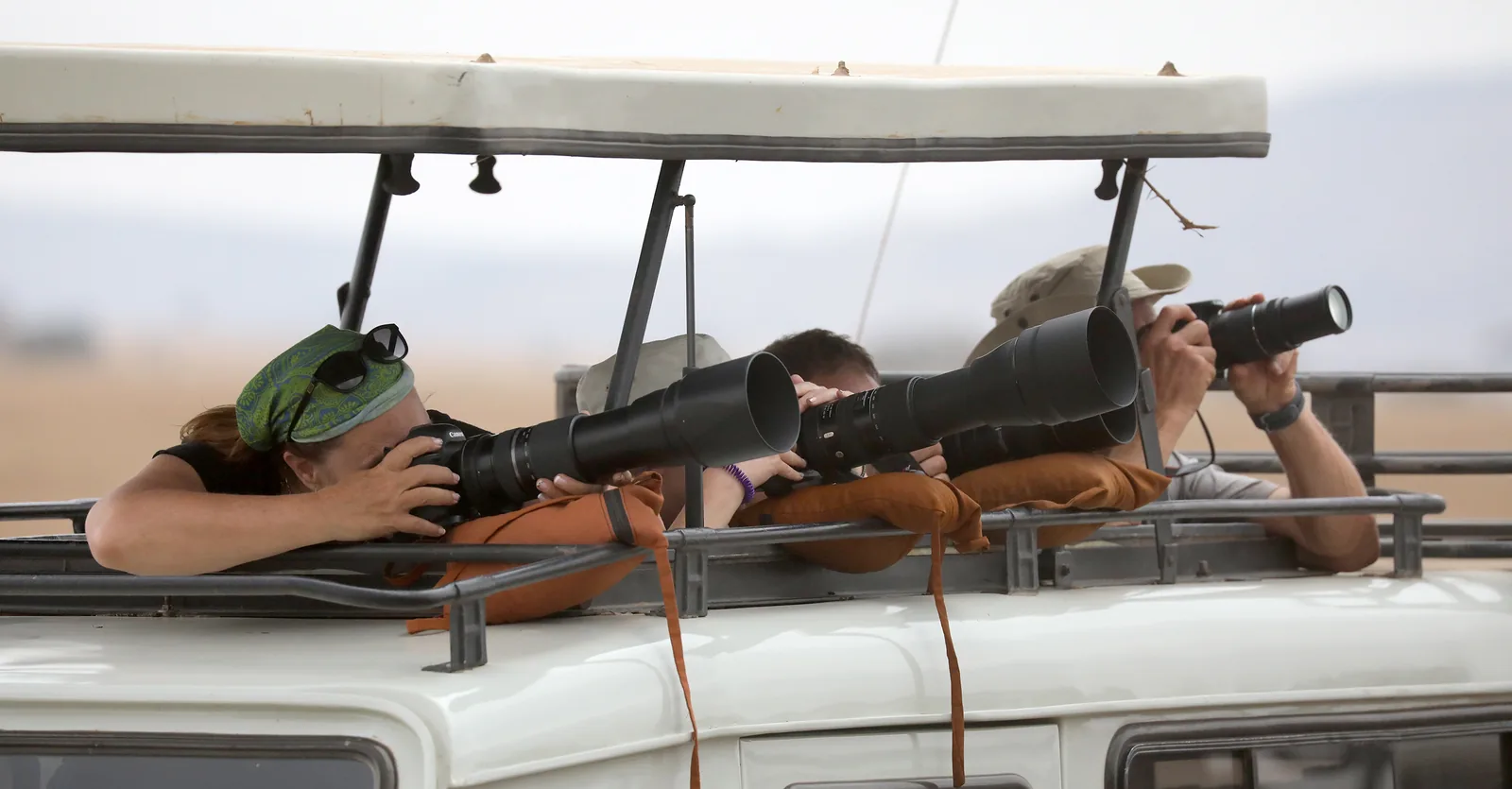 Photo: Dancing Duma Tented Camp
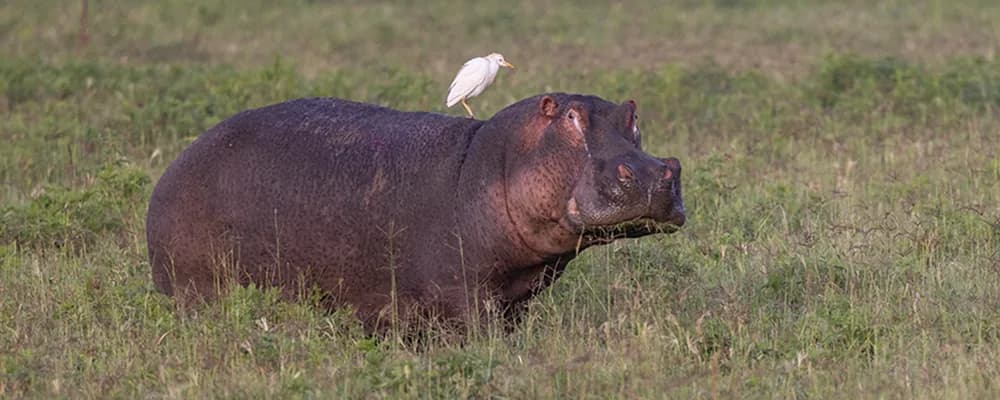 Photo: Dancing Duma Tented Camp
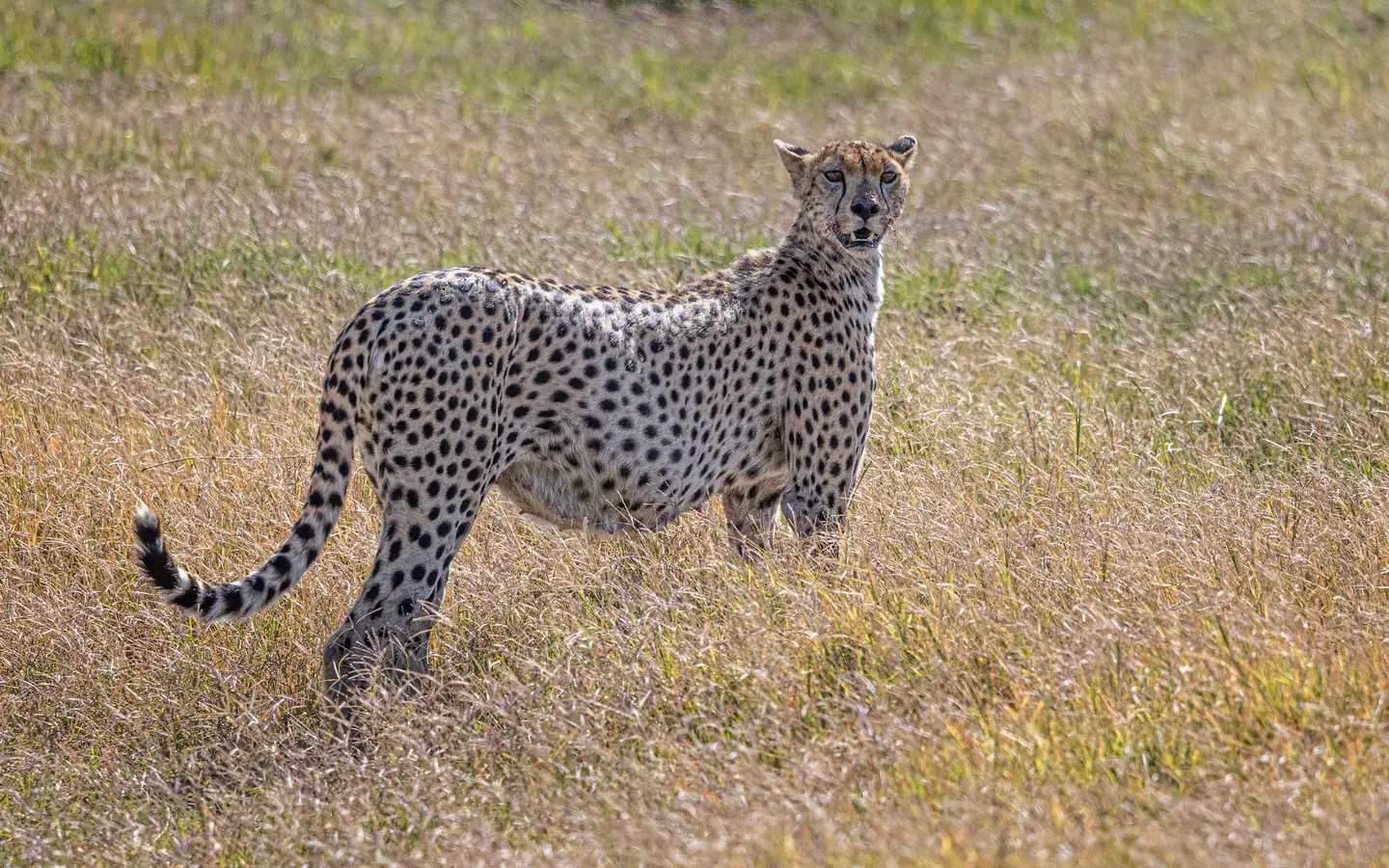 Photo: Dancing Duma Tented Camp
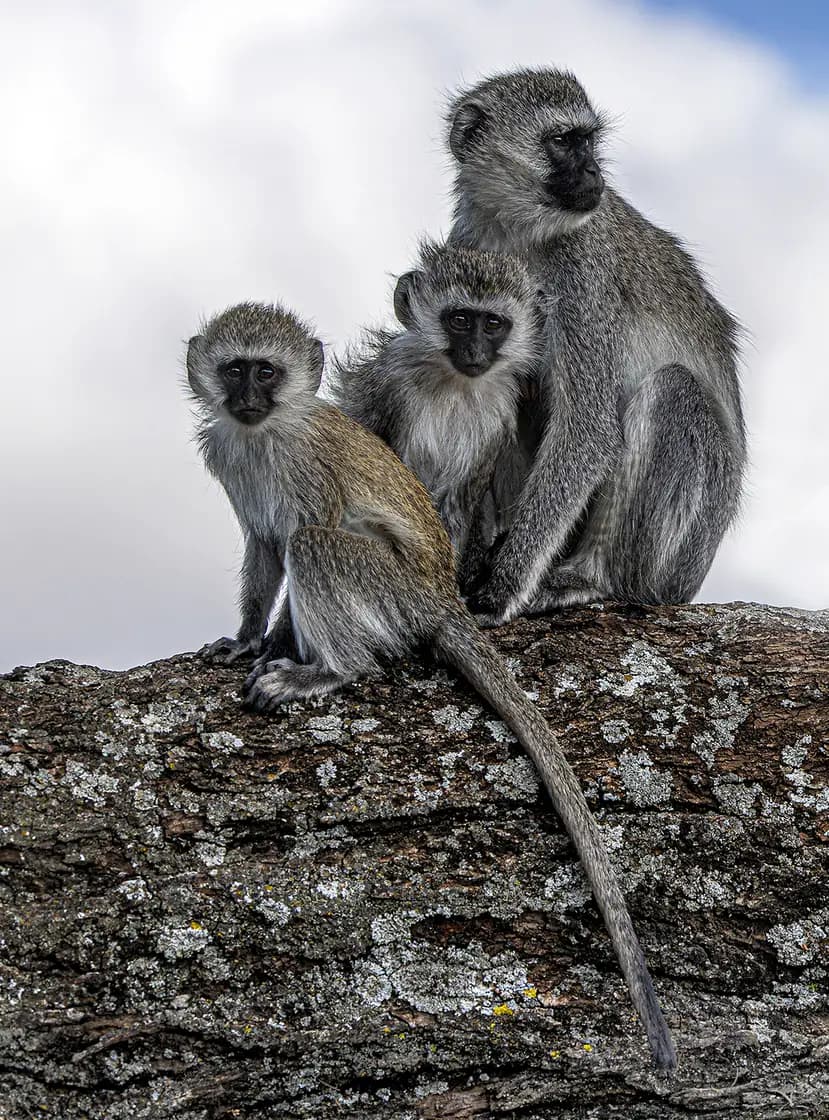 Photo: Dancing Duma Tented Camp
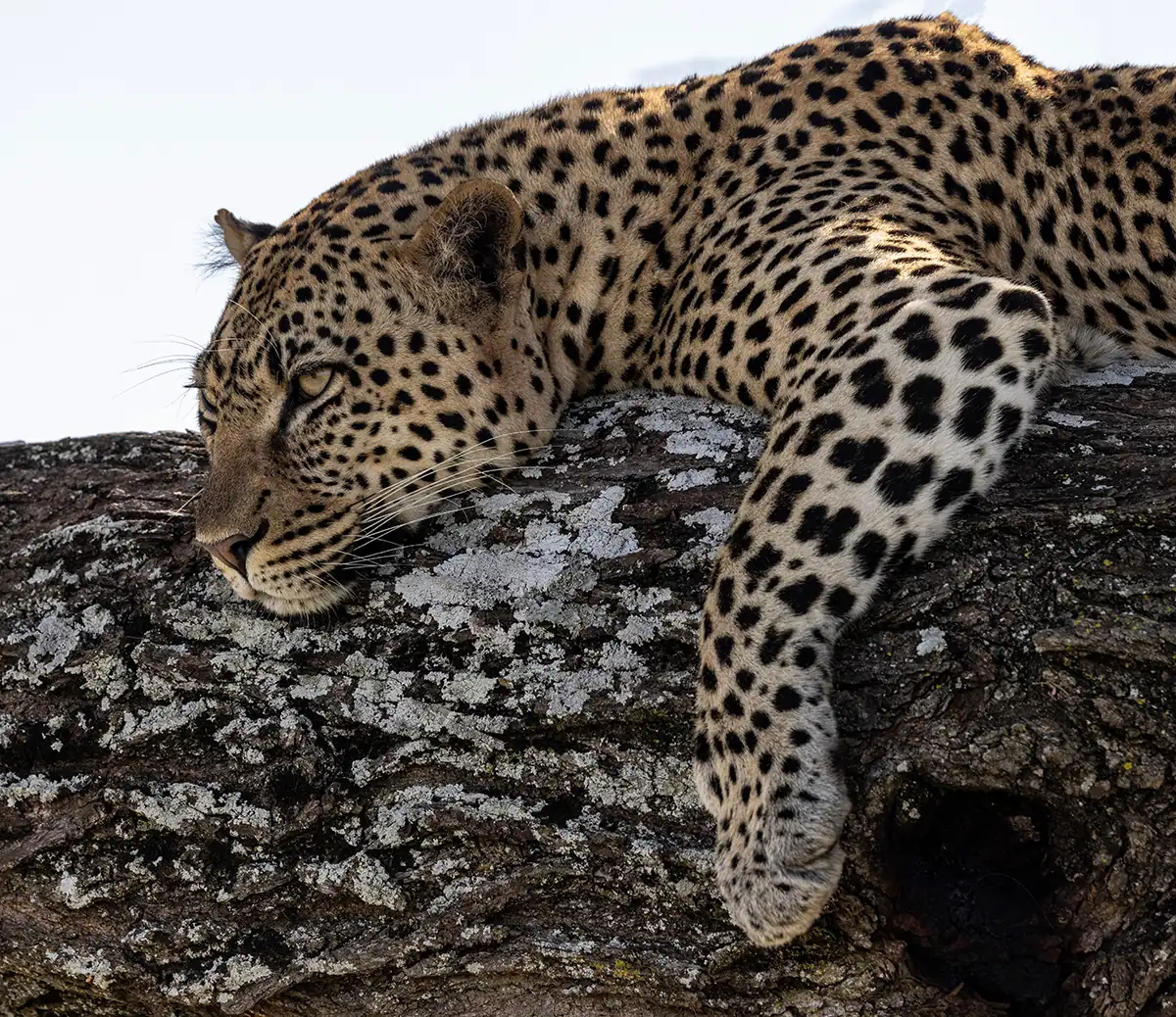 Photo: Dancing Duma Tented Camp
Questions travellers actually ask
Not usually. A private vehicle, longer stays and a guide briefed on your priorities cover most of the benefit. A specialist adds most value if you want teaching as well as access.
A 100–400 or 200–500 zoom covers the majority of situations, with something wide for landscape and camp. Fixed 600s are wonderful and unwieldy on a shared beanbag.
It is workable, but shooting through a raised roof means shooting down. We prioritise vehicles with open sides or removable panels where the camp offers them.
February on the southern plains, for short grass, clean backgrounds and dense predator activity. August in the north if the crossings are the goal.
Ask about this journey
Send us a few details and a person on the team will reply personally, not a template.
Where the light is, and the journey length this needs.