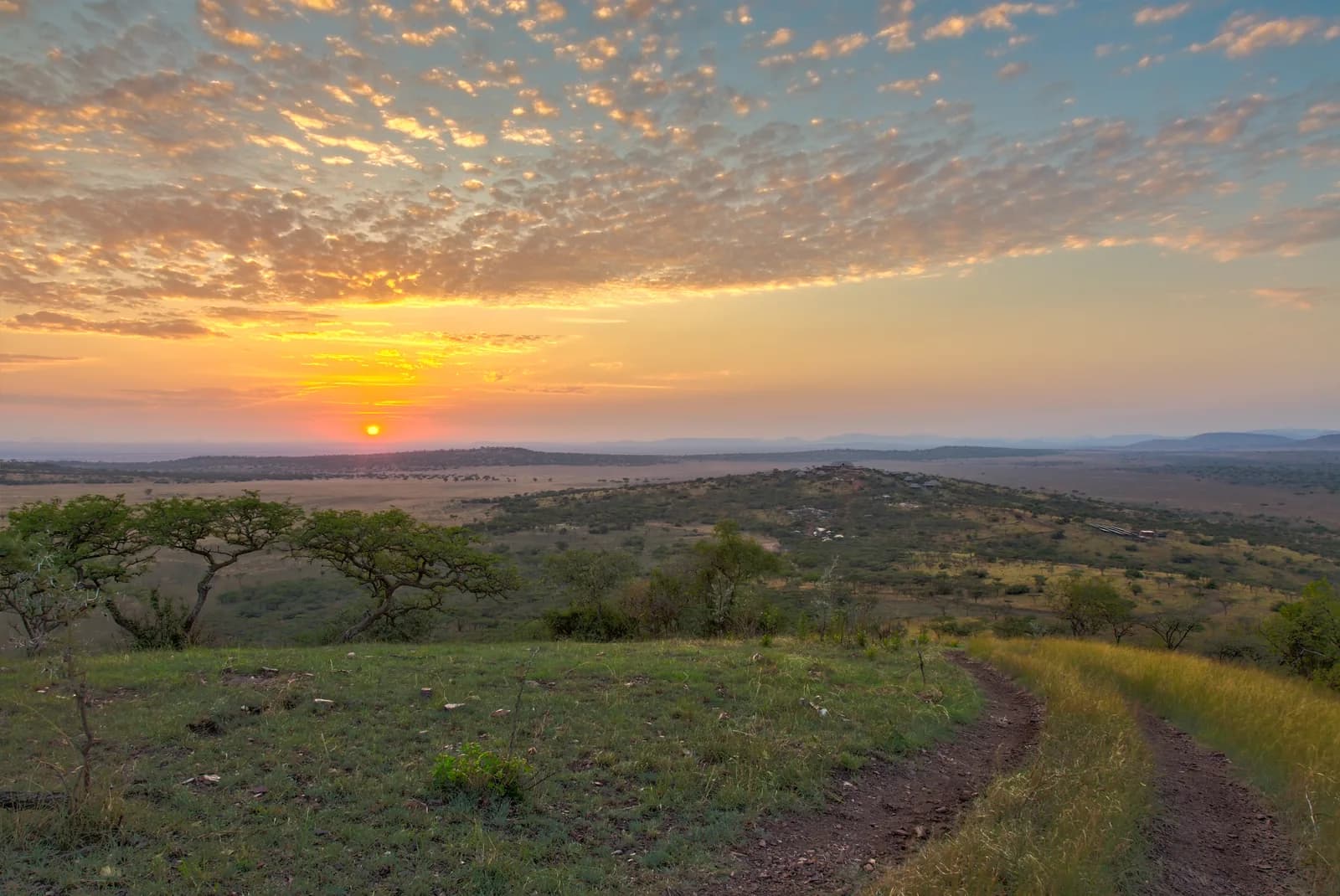
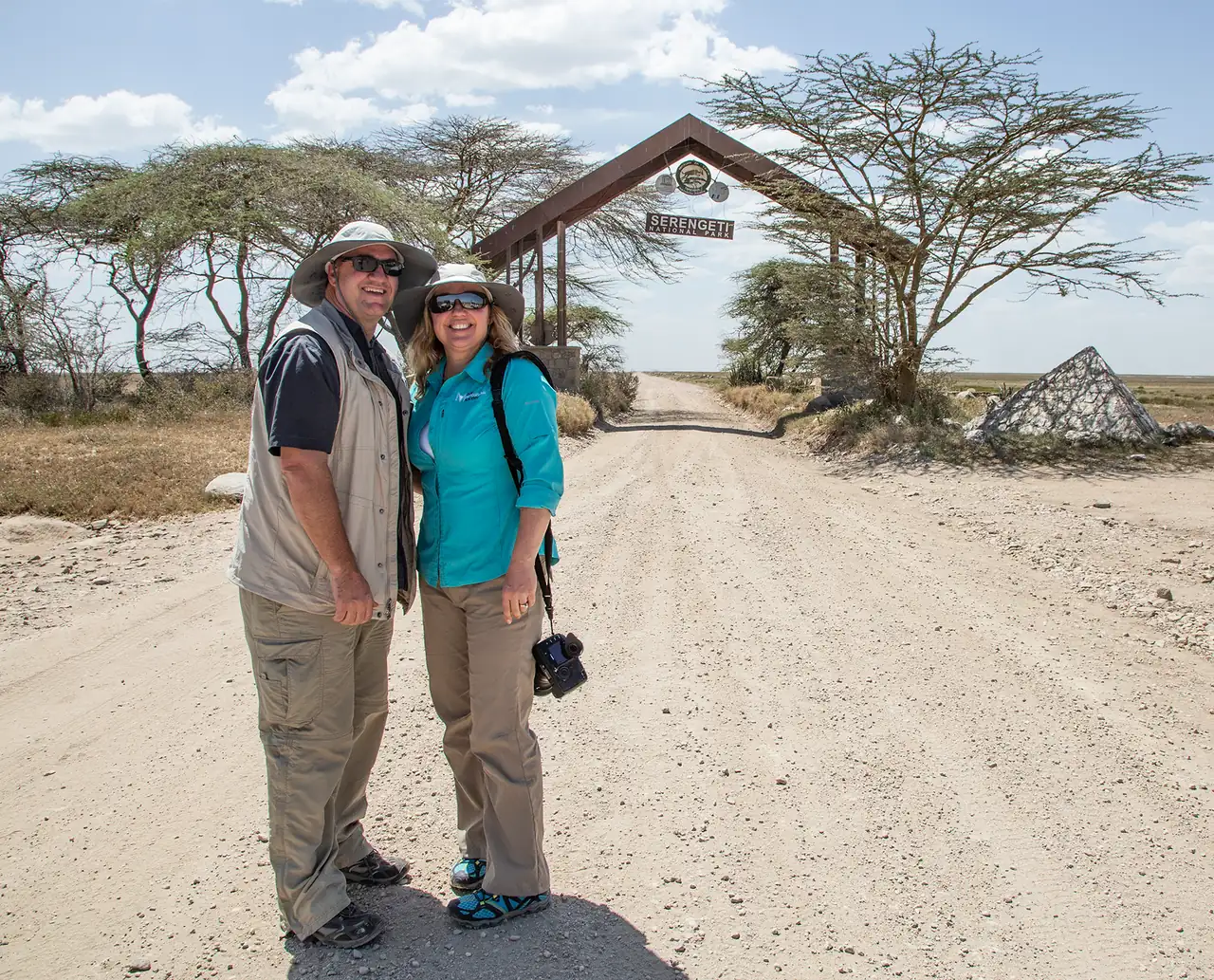
 Photo: Dancing Duma Tented Camp
Is Tanzania safe for tourists?
Tanzania safari safety in plain terms: the rules on game drives and in camp, everyday care in towns, health, insurance, and what we do if something goes wrong.
Is it safe to travel to Tanzania? Most visits are trouble-free with normal precautions. Safari areas are well managed, and on safari the most important rule is the simplest: follow your guide. Before you book, check your own government’s current travel advice for Tanzania, such as the UK Foreign Office (FCDO) advice or the US State Department advice.
On safari
- Stay in the vehicle on game drives unless your guide tells you otherwise, and don't lean out. Your guide has our full authority on questions of safety.
- Keep your distance. We keep a respectful distance from animals and never surround or crowd a sighting, even where other vehicles do.
- After dark, follow the camp's escort rules. Camps in unfenced areas sit inside wildlife areas and escort guests to and from their tents at night, and that rule exists for a reason.
- Walk only with an armed ranger. A walking safari is a controlled activity with a licensed armed ranger and strict protocols on distance, wind and single file: you follow instructions rather than wander. General walking is not permitted inside Serengeti National Park.
In towns and cities
- Take the same precautions you would in any city.
- Keep valuables out of sight: phones, cameras and jewellery stay in a bag rather than on show.
- Use arranged transport at night rather than walking: your transfer with us, or a licensed taxi booked through your hotel.
- Keep copies of your passport and documents separate from the originals.
- Ask before photographing people, and don't photograph military installations, airports or government buildings, which is prohibited.
Health
This is general information, not medical advice. Check with a travel clinic, several weeks before you travel, for what applies to you.
- Malaria is present in most safari areas. Antimalarial medication is strongly recommended and must be prescribed at home before you travel.
- Yellow fever: a vaccination certificate is required if you are arriving from, or have transited for more than twelve hours through, a country with risk of yellow fever transmission. Carry the certificate.
- Routine vaccinations should be up to date. Hepatitis A, typhoid and tetanus are commonly recommended.
- Drink bottled or filtered water. We carry drinking water in every vehicle.
- Altitude matters on the Ngorongoro rim, at around 2,300 metres, and considerably more on Kilimanjaro or Meru.
- Bring any prescription medication in its original labelled packaging, in your hand luggage, with a copy of the prescription.
Travel insurance
Comprehensive travel insurance is a condition of travelling with us. Your policy must include medical treatment, emergency evacuation and repatriation, and for a Kilimanjaro climb it must cover trekking to 6,000 metres.
Evacuation is the reason. Arusha has good private clinics, but serious cases are evacuated by air to Nairobi, and that is precisely what your insurance must cover. We ask for your policy details before departure.
Buy it when you pay your deposit rather than shortly before you fly: a policy bought the week before departure will not cover a cancellation caused by something that arose in the months between.
Women and solo travellers
- The precautions above are the same for everyone: arranged transport at night, valuables out of sight, documents copied.
- On a private safari you have your own vehicle and guide. On a group safari, rooms are twin-share: travelling solo, you share with another solo traveller of the same gender on your departure, or pay a single supplement for a room to yourself.
- Leave your itinerary with someone at home, and keep our emergency number from your confirmation pack with you.
- If anything makes you uncomfortable, tell your guide or message us. We would rather hear about it on the day than afterwards.
How we look after you
- A private vehicle and guide for your party as standard. A shared vehicle is only used on a group safari you choose.
- Guides employed rather than hired per trip, holding current professional guiding certification and first-aid training.
- Drinking water carried in every vehicle.
- A confirmation pack with every booking reference and our emergency numbers, and a briefing specific to your route.
- An emergency line monitored around the clock while you are travelling, and WhatsApp, the way we prefer to hear from you while you are in Tanzania.
- Your insurance details and an emergency contact at home, taken before you travel.
Questions about safety
Most visits are trouble-free with the same precautions as anywhere else: valuables out of sight, and arranged transport or a licensed taxi at night rather than walking. Zanzibar is part of Tanzania, so check the same government travel advice before you book.
ZanzibarDrink bottled or filtered water rather than tap water. We carry drinking water in every vehicle, and we refill bottles rather than hand out single-use plastic, so bring a refillable one.
Possibly. A yellow fever certificate is required if you are arriving from, or have transited for more than twelve hours through, a country with risk of yellow fever transmission. Routine vaccinations should be up to date, and hepatitis A, typhoid and tetanus are commonly recommended. Check with a travel clinic, several weeks before you travel, for what applies to you.
Travel informationYour guide holds first-aid training and is in charge on the spot. Arusha has good private clinics, and serious cases are evacuated by air to Nairobi, which is why insurance with evacuation cover is a condition of travelling with us. Our emergency line is monitored around the clock while you are travelling, and the number is in your confirmation pack.
Ask us anything before you book
Tell us who is travelling and what worries you. We'll answer honestly, and plan the trip around it.
The practical pages behind a safe trip.