Tarangire, the Serengeti, the Ngorongoro Crater and Lake Manyara in six days, in a shared vehicle of up to six.
Group departure1 / 5
Overview
The northern circuit most visitors come to Tanzania for, in six days: Tarangire, two nights in the Serengeti, a day on the Ngorongoro Crater floor, and Lake Manyara on the way home. Three nights are in Karatu, in the highlands between the parks, and two in the Serengeti.
It suits first-time visitors who want the well-known parks at a shared price, and who would rather see each of them properly than add more. If you can find one more day, the 7-day route spends it in the Serengeti, which is where an extra day counts most.
Four parks in one tripTarangire, the Serengeti, the Ngorongoro Crater and Lake Manyara.
A full Serengeti dayOne whole day on the plains between the drives in and out.
A day on the Crater floorDown early, while it is quietest, for most of the day.
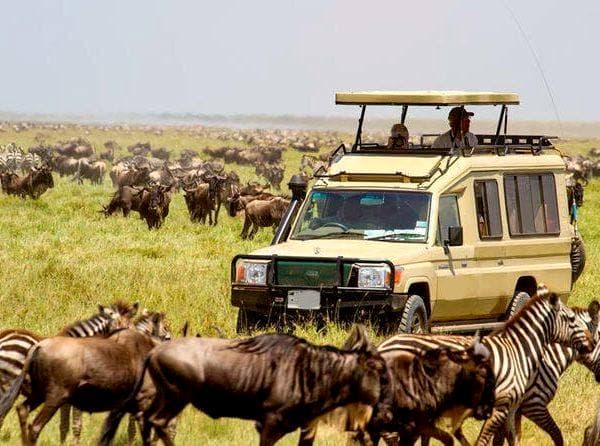
Up to six travellersOne shared 4x4 with a pop-up roof, and a window seat for everyone.
Itinerary
Every departure on this route follows the same daily shape. Where your guide drives within each park depends on the season and on what the guides are hearing that week, and no particular animal is ever guaranteed.
These are examples, and every journey can use any of them. Final choice depends on availability on your dates.
Arriving the day before? We can book your Arusha hotel. Not included in the group price.
About Tarangire
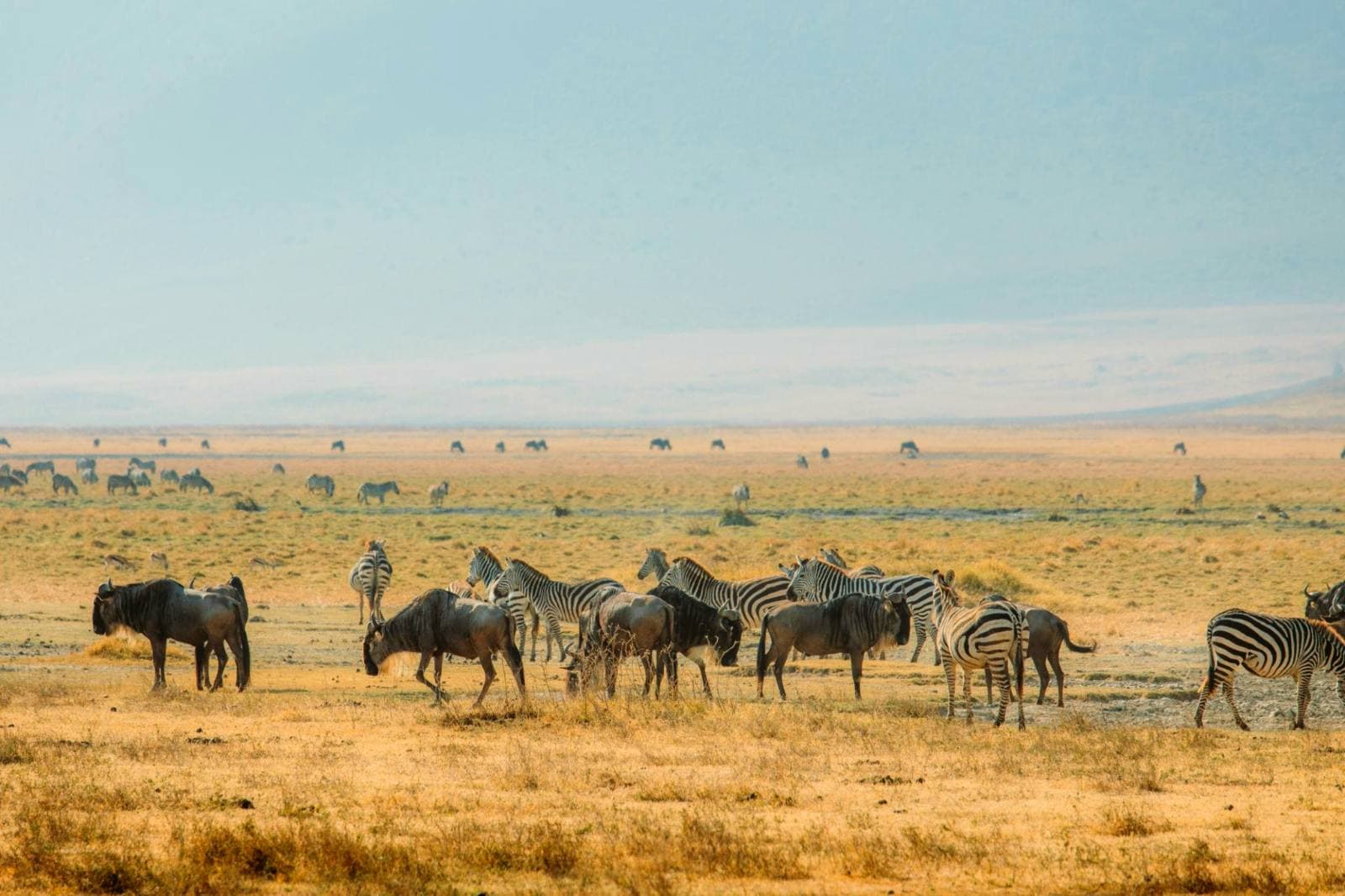
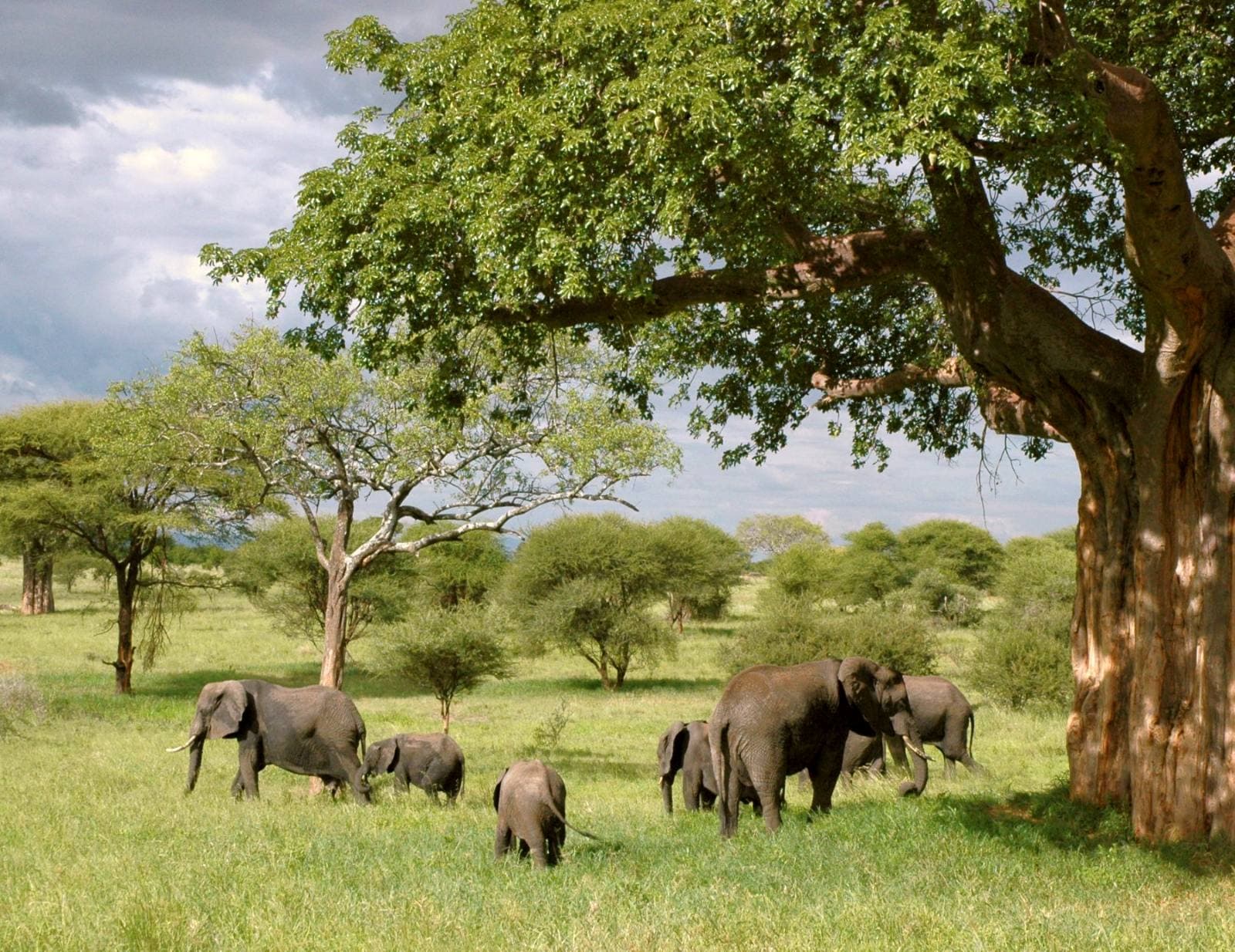
Tarangire is a park of baobabs and seasonal swamps along the Tarangire River, about two hours from Arusha. In the dry months the river is the main water for a wide area, so animals tend to gather along it, and it sees far fewer vehicles than the Serengeti.
Today
Collected from your Arusha hotel in the morning and into Tarangire before midday. An afternoon game drive along the river and among the baobabs, then up into the highlands to Karatu for the night.
Meal plan: Full boardB&B: breakfast only. Half board: breakfast and dinner. Full board: breakfast, lunch and dinner (on safari, lunch is often a picnic in the park).
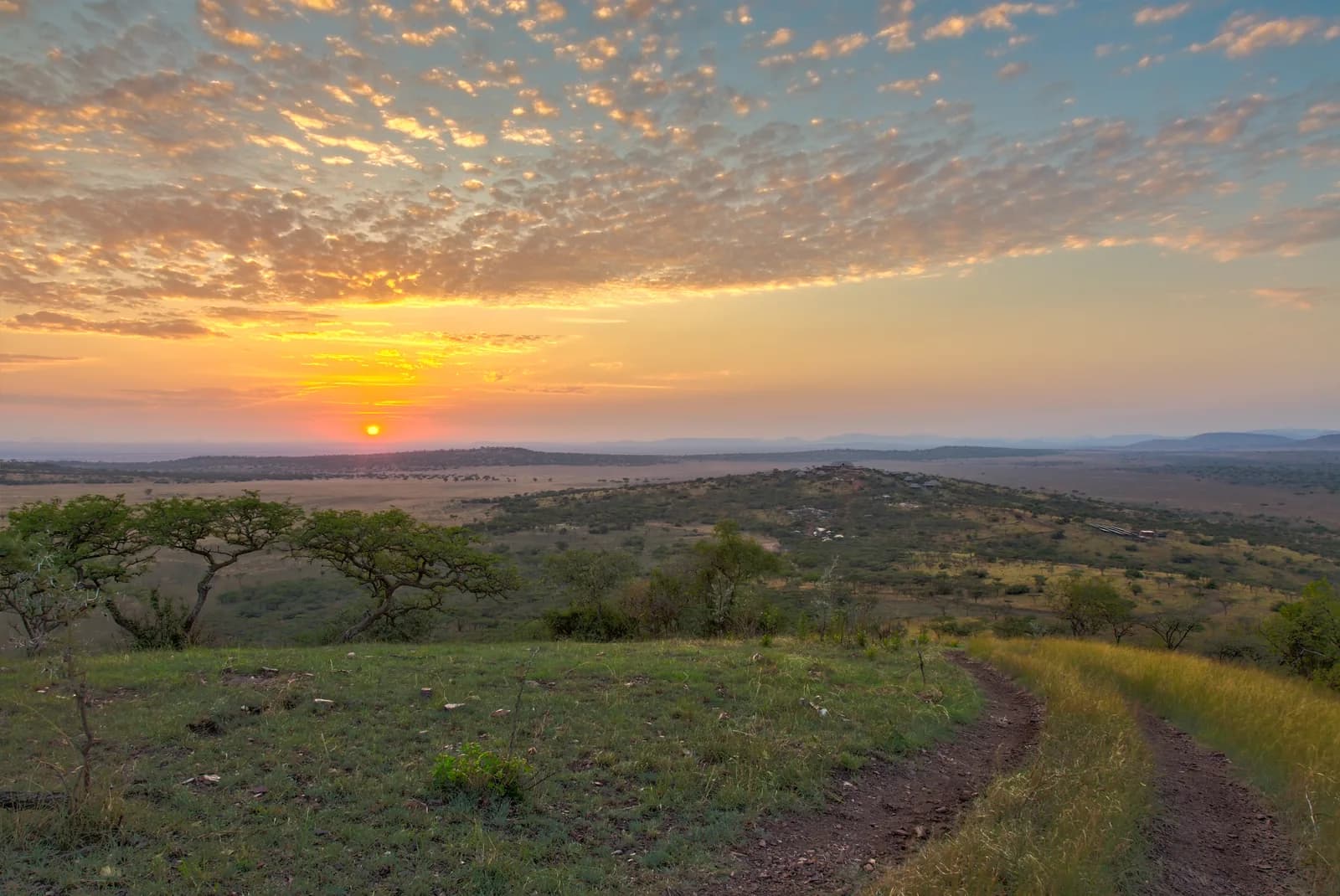
The Serengeti covers almost 15,000 km² of grassland, rocky kopjes and river woodland, running north to the Kenyan border. The great herds move with the rains, which is why where you stay inside it depends on the month.
Day 2
Over the Ngorongoro highlands and down onto the Serengeti plains, game driving from the park gate to camp.
Day 3
A whole day on the plains with your guide: out early, back at dusk, or with a break at camp through the midday heat. Where you go depends on the season and on what the guides are hearing that week.
Meal plan: Full boardB&B: breakfast only. Half board: breakfast and dinner. Full board: breakfast, lunch and dinner (on safari, lunch is often a picnic in the park).
About the Serengeti
The Serengeti covers almost 15,000 km² of grassland, rocky kopjes and river woodland, running north to the Kenyan border. The great herds move with the rains, which is why where you stay inside it depends on the month.
Today
A last morning game drive on the plains, then the drive back across the highlands to Karatu.
Meal plan: Full boardB&B: breakfast only. Half board: breakfast and dinner. Full board: breakfast, lunch and dinner (on safari, lunch is often a picnic in the park).
About Ngorongoro
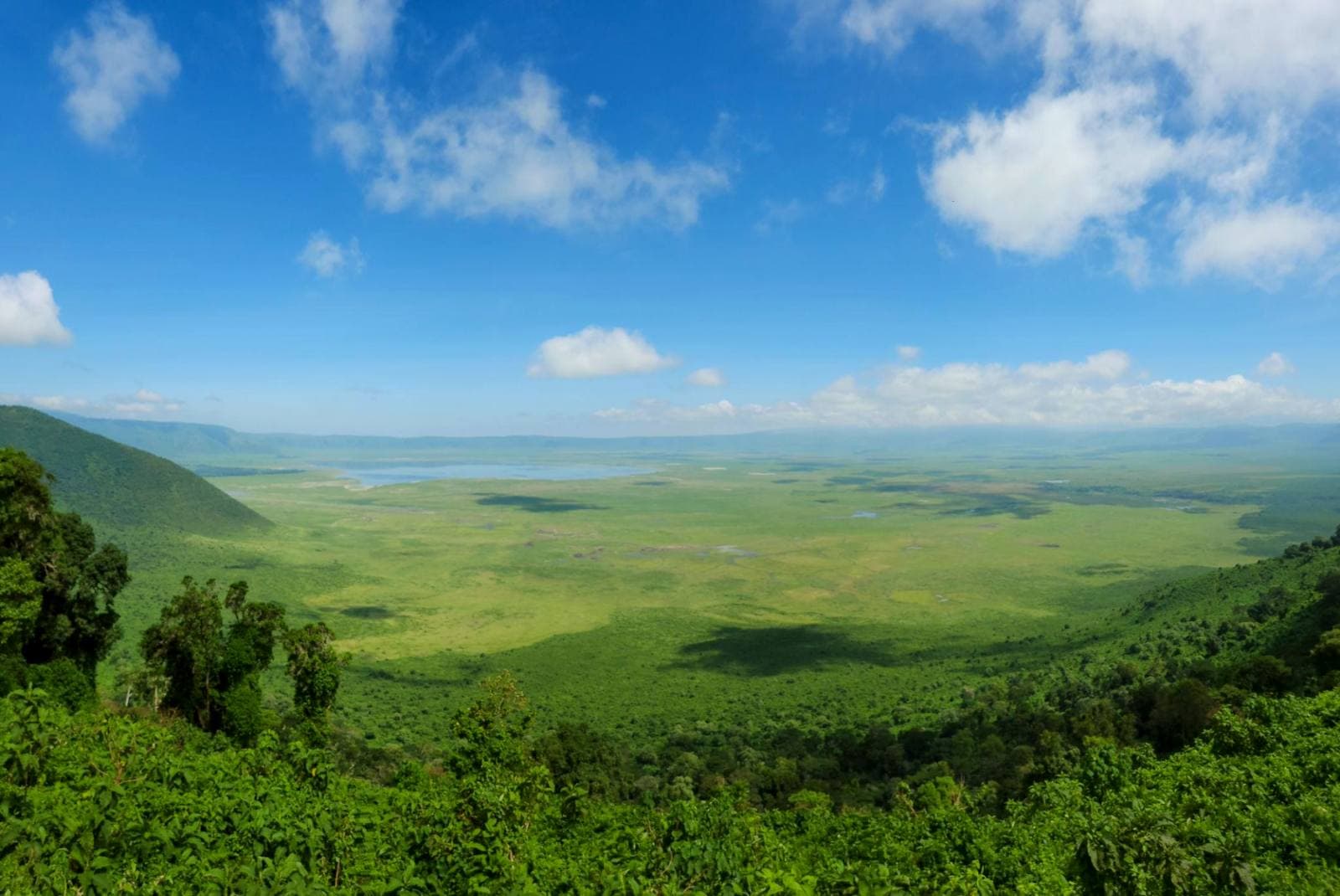
The Ngorongoro Crater is the collapsed caldera of an old volcano, about 19 km across and 600 m deep, inside a wider conservation area where Maasai still graze their cattle. Vehicles go down to the floor for the day and come back up to the rim by late afternoon.
Today
Down onto the Crater floor early, while it is quietest, for most of the day. Many of the Crater's animals stay put all year, but what you see still depends on the day. Back up to Karatu for the night.
Meal plan: Full boardB&B: breakfast only. Half board: breakfast and dinner. Full board: breakfast, lunch and dinner (on safari, lunch is often a picnic in the park).
About Lake Manyara
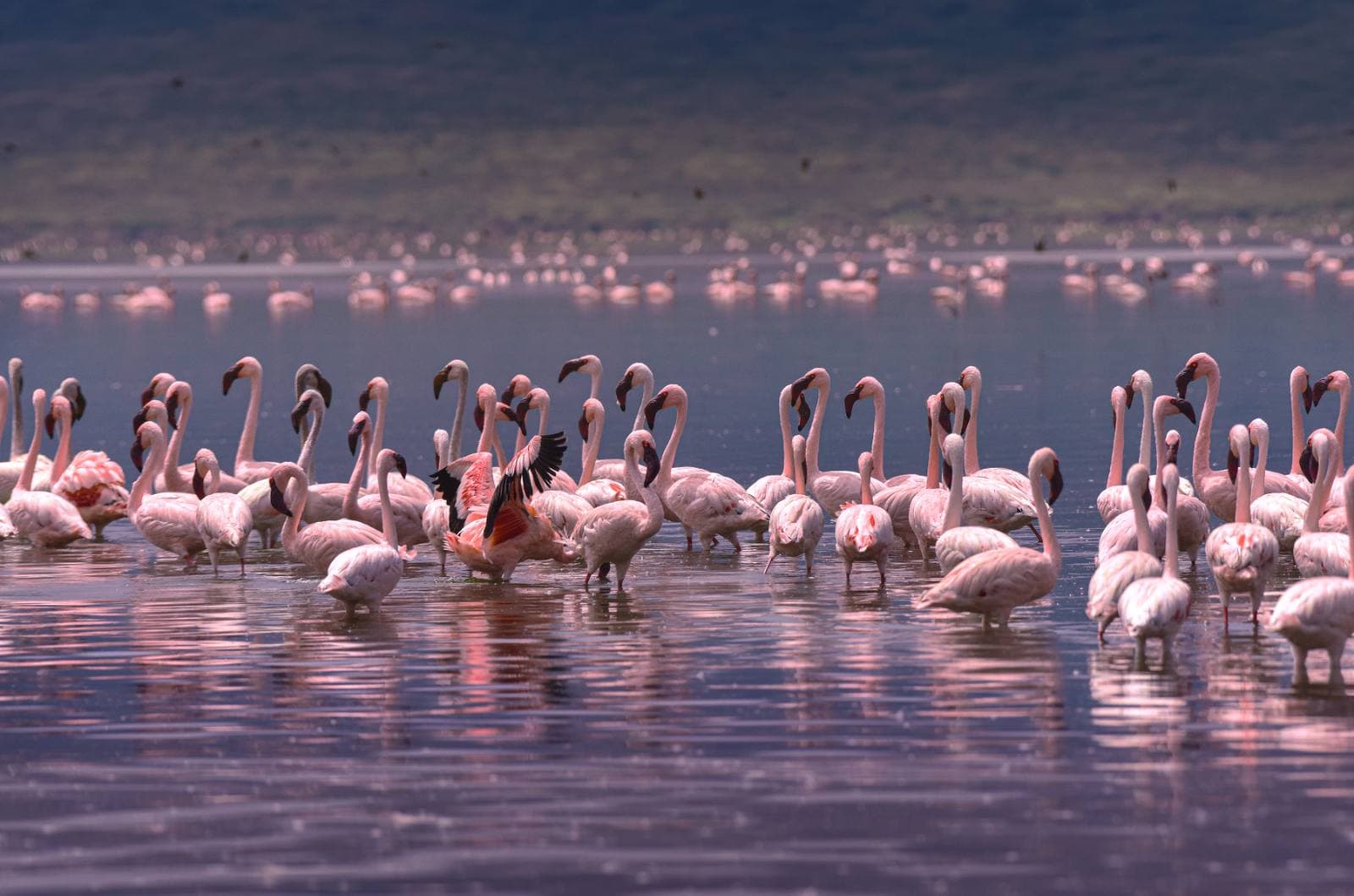
A narrow park squeezed between the Rift Valley wall and a shallow soda lake, with groundwater forest near the gate and open shoreline beyond. It is small enough to drive properly in half a day.
Today
A morning in Lake Manyara: groundwater forest near the gate, then the open lake shore. After lunch, the drive back to Arusha, usually arriving in the late afternoon, with a drop-off at your hotel or Kilimanjaro airport.
Price
One guide price per seat. You book a seat, not the vehicle, so the price does not change with how many others join.
Guide price
$1,500
per seat
Shared vehicle, max 6. Exact price confirmed for your departure.
What your price covers, and what to budget for separately.
Included
Every park entry, conservation and Crater fee on the route, paid by us in advance. They are a large share of what a safari costs, and they are what fund the parks.
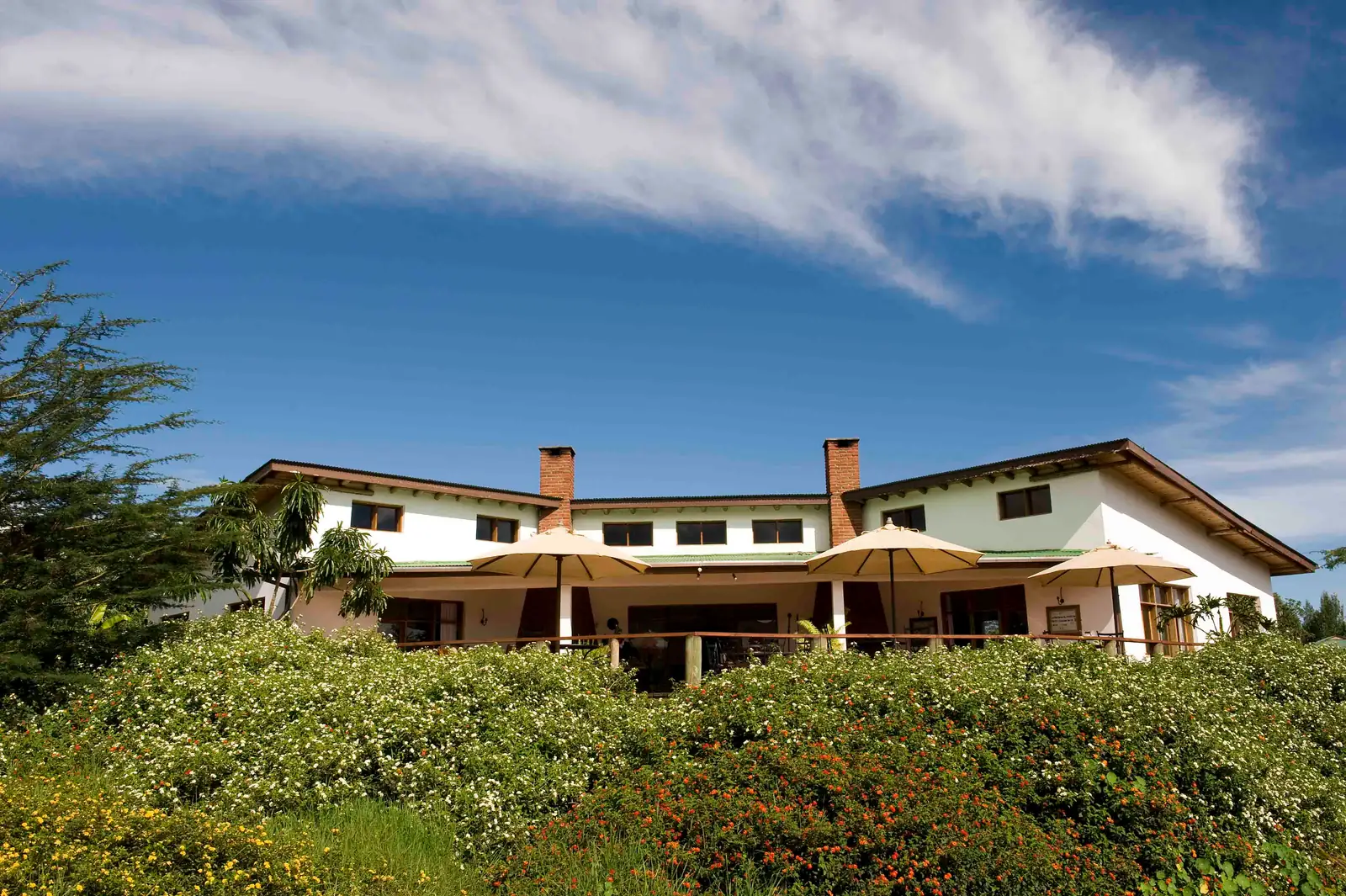
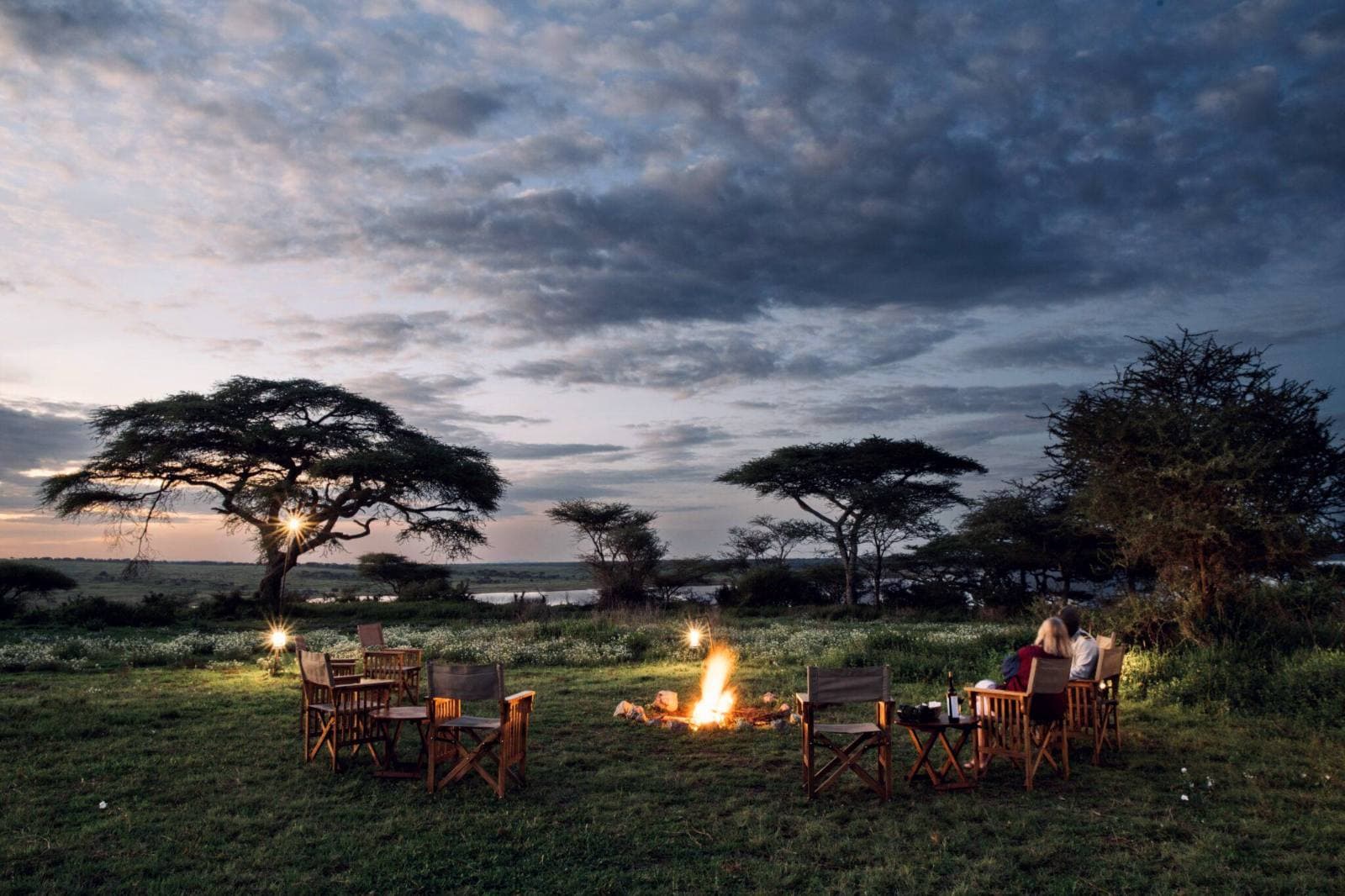
Comfort-level lodges and tented camps, sharing a room, with the meal plan shown on each day of the itinerary. A room to yourself costs more, and we quote the supplement before you book.
Up to six travellers in one 4x4 with a pop-up roof, each with a window seat. One English-speaking driver-guide stays with the group from the first game drive to the last.
Collected from Kilimanjaro airport or your Arusha hotel at the start, and taken back at the end.
Water in the vehicle on every safari day, so you never have to ration it on a long drive.
Not included
International flights. Flights to and from Tanzania are booked by you. We will suggest arrival and departure times that fit the trip.
Visa. Paid by you, usually online before you travel. Visa information
Travel insurance. A condition of travelling with us. It must cover medical treatment, emergency evacuation and repatriation.
Tips. Always your choice. As a guide, we suggest $30–50 per day per vehicle for your driver-guide, shared between everyone on board, plus a little for camp staff. How tipping works
Personal spending. Drinks beyond water and what the camp serves with meals, laundry where it is charged, souvenirs, and optional extras such as balloon flights, quoted separately if you want them.
Packing
Less than you think, in neutral colours, and in a soft bag if any leg is flown. Bring a warm layer: early mornings in an open vehicle are cold, even when the middle of the day is hot.
Most nationalities need a visa: $50 for a single entry. US citizens pay $100 for a multiple-entry visa. Apply online before you travel to avoid the queue on arrival. Fees and rules change, so check with the Tanzanian embassy in your country.
Other independent travellers, usually couples and solo travellers from Europe, North America and elsewhere. We'll tell you the group size before you confirm.
Not for the seat: seats are priced individually. Rooms are twin-share, so a single supplement applies only if you want a room to yourself, or if we can't pair you with another solo traveller of the same gender on your departure. Tell us and we'll quote both options before you book.
Yes, any time before the balance is due. We'll requote the trip as a private safari and you pay the difference.
Usually from 12, and only with the other travellers' agreement. For younger children we recommend a private safari, where the day can bend around them.
Your guide manages the day, so nobody has to negotiate every stop, and in a group of 6 or fewer it's rarely a problem. If you'd rather not share a room with another solo traveller, ask for a room to yourself and we'll quote the supplement.
Quick enquiry
Ask about this journey
Send us a few details and a person on the team will reply personally, not a template.
Where to go next
The other group routes, and the private alternative.
 Group departure1 / 5